ChevyParts
My Garage
My Account
Cart
OEM Cadillac Escalade EXT Pinion Bearing
Transmission Pinion Bearing- Select Vehicle by Model
- Select Vehicle by VIN
Select Vehicle by Model
orMake
Model
Year
Select Vehicle by VIN
For the most accurate results, select vehicle by your VIN (Vehicle Identification Number).
14 Pinion Bearings found
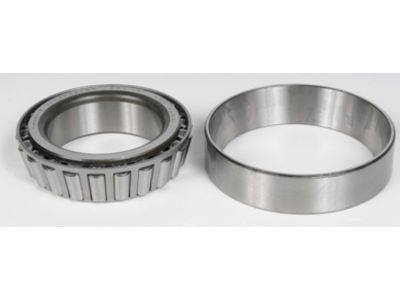
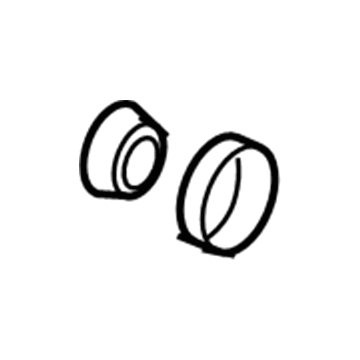
Cadillac Escalade EXT Side Bearings Part Number: 11505123
$51.58 MSRP: $160.82You Save: $109.24 (68%)Ships in 1-2 Business Days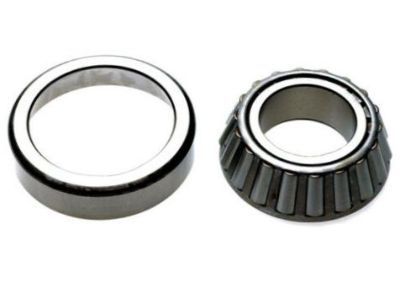
Cadillac Escalade EXT Pinion Bearings, Inner Part Number: 457108
$50.50 MSRP: $157.48You Save: $106.98 (68%)Ships in 1-2 Business Days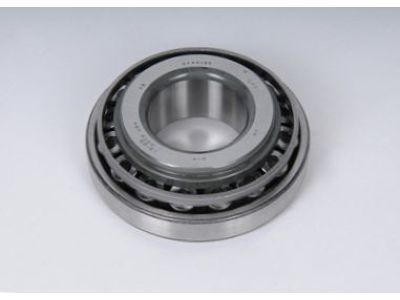
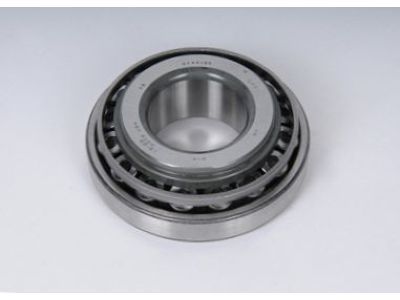
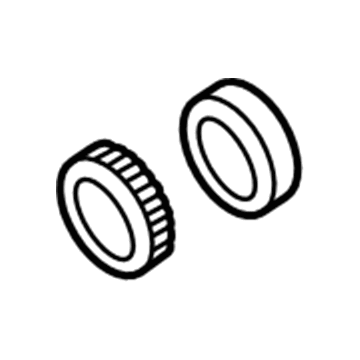
Cadillac Escalade EXT Pinion Bearings, Inner Part Number: 25824251
$57.72 MSRP: $180.04You Save: $122.32 (68%)Ships in 1-2 Business Days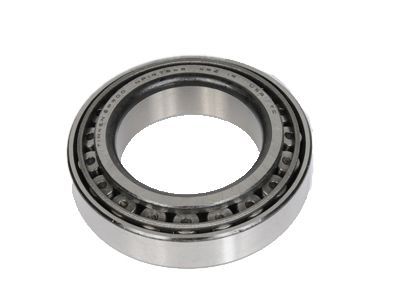
Cadillac Escalade EXT Side Bearings Part Number: 88943839
$76.98 MSRP: $144.56You Save: $67.58 (47%)Ships in 1-2 Business Days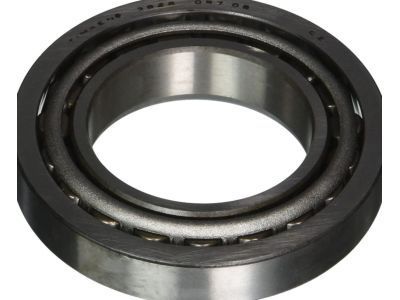
Cadillac Escalade EXT Wheel Bearing Part Number: 9436881
$57.71 MSRP: $144.40You Save: $86.69 (61%)Ships in 1-3 Business Days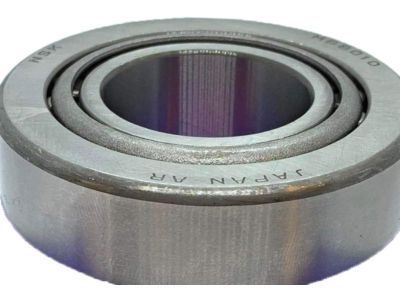
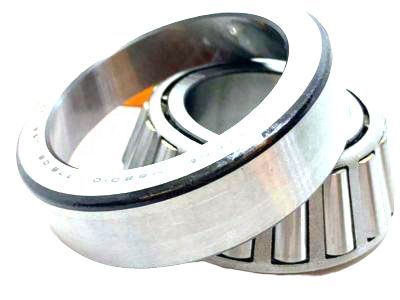
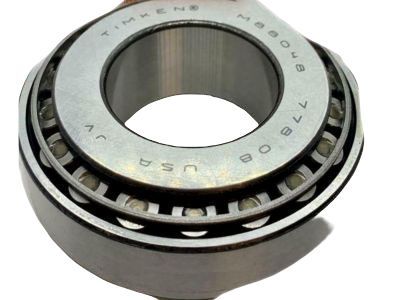
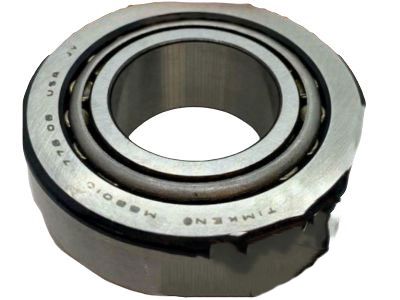
Cadillac Escalade EXT Pinion Bearings Part Number: 9413427
$54.06 MSRP: $110.56You Save: $56.50 (52%)Ships in 1-2 Business Days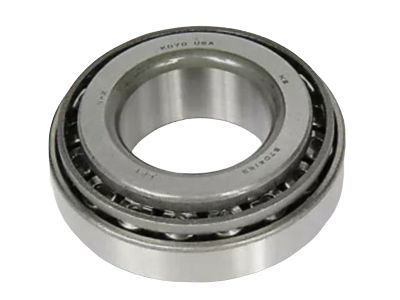
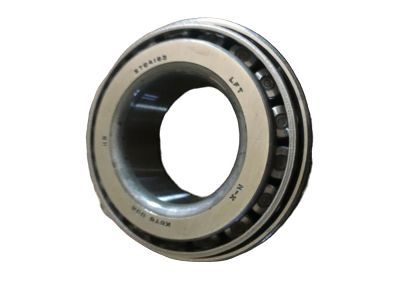
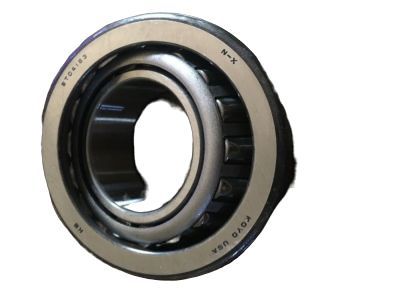
Cadillac Escalade EXT Pinion Bearings Part Number: 23243839
$56.88 MSRP: $116.32You Save: $59.44 (52%)Ships in 1-2 Business Days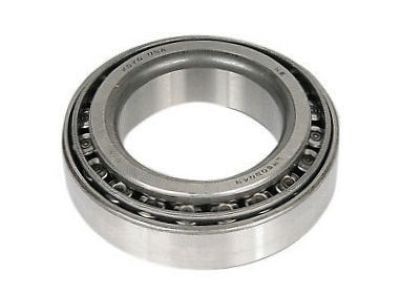
Cadillac Escalade EXT Side Bearings Part Number: 25824250
$66.28 MSRP: $135.56You Save: $69.28 (52%)Ships in 1-2 Business Days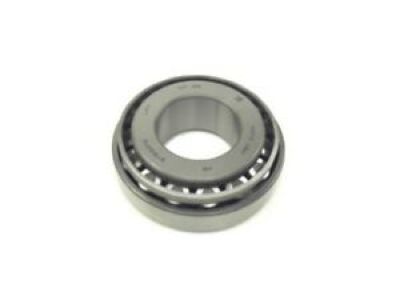
Cadillac Escalade EXT Pinion Seal, Outer Part Number: 25824252
$51.77 MSRP: $97.22You Save: $45.45 (47%)Ships in 1-2 Business Days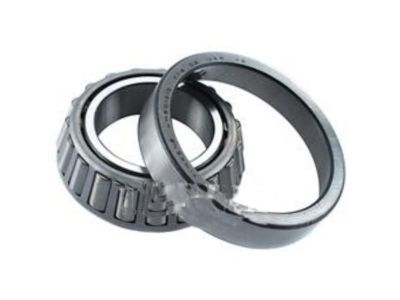
Cadillac Escalade EXT Pinion Bearings Part Number: 454021
$190.68 MSRP: $358.08You Save: $167.40 (47%)Ships in 1-2 Business DaysCadillac Escalade EXT Pinion Bearings Part Number: 9417781
$43.86 MSRP: $136.78You Save: $92.92 (68%)Ships in 1-2 Business Days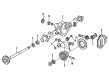
Cadillac Escalade EXT Pinion Bearings Part Number: 9414917
$70.11 MSRP: $137.26You Save: $67.15 (49%)Ships in 1-2 Business Days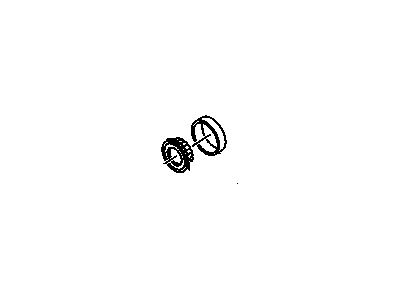
Cadillac Escalade EXT Pinion Bearings Part Number: 9413168
$89.25 MSRP: $167.61You Save: $78.36 (47%)Ships in 1-2 Business Days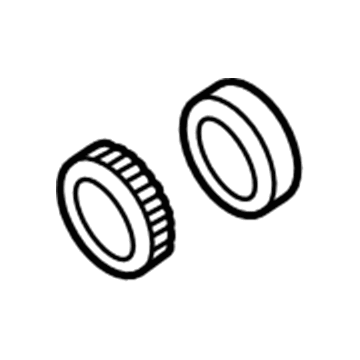
Cadillac Escalade EXT Pinion Bearings, Outer Part Number: 15534483
$53.12 MSRP: $94.85You Save: $41.73 (44%)
Cadillac Escalade EXT Pinion Bearing
Want to cut long-term maintenance and repair costs? Choose OEM Pinion Bearing. Those parts deliver top durability you can trust. On our site, you'll find a huge catalog of genuine Cadillac Escalade EXT parts. Prices are unbeatable, so you can keep more in your pocket. Every OEM Cadillac Escalade EXT Pinion Bearing includes a manufacturer's warranty. You can also get an easy return policy that keeps buying risk free. Fast delivery, get your car on the road quickly. It's simple to search, compare, and order. Stop guessing about quality or fit. Order today and save with parts that last.
Cadillac Escalade EXT Pinion Bearing Parts and Q&A
- Q:What tools are required to service and repair the drive pinion bearings for a 9.75 inch axle on Cadillac Escalade EXT?A:To service and repair the drive pinion bearings for a 9.75 inch axle, the following tools are required: j 22536 pinion driver (J 22536), j 22912-01 split-plate bearing puller (J 22912-01), j 42176 universal driver handle - non-threaded (J 42176), j 45703 Pinion Bearing race remover - dana 248 (J 45703), j 45704 Pinion Bearing race installer - dana 248 (J 45704), j 45705 Pinion Bearing race remover - dana 243/267 (J 45705), j 7818 inner bearing race installer (J 7818), and j 8092 universal drive handle - 3/4 in - 10 (J 8092). Start by elevating the vehicle then detach the Differential assembly and pinion yoke with the pinion oil seal followed by the thrust washer. You should place the j 22536 pinion driver at the base of the pinion before using the j 22536 with a hammer to drive out the pinion while continuously watching for it to escape the rear axle housing. The j 45703 and j 42176 tools extract first the pinion preload shims and inner Pinion Bearing cup and oil deflector; the outer Pinion Bearing cup removal requires the j 45705 and j 42176. A hydraulic press working with the j 22912-01 tool enables inner Pinion Bearing extraction after which you can remove the pinion position shim. To carry out installation begin by placing the oil deflector inside the inner pinion cup bore before installing the cup with j 45704 and j 8092. Use j 7818 and j 8092 for outer Pinion Bearing cup installation. Establish the optimum thicknesses for pinion position shim and pinion preload shim of the drive pinion before reinstalling the Differential assembly and distributing appropriate lubricant into the axle and lowering the vehicle.
- Q:How to replace the drive pinion bearings on Cadillac Escalade EXT?A:One must obtain the inner bearing race installer (J 7818) along with universal driver handle - 3/4 in - 10 (J 8092), rear Pinion Bearing race installer (J 8611-01), flange and pulley holding tool (J 8614-01), pinion cup bearing installer - rear (J 22306), split plate bearing puller (J 22912-B), pinion cone and side bearing installer (J 24433), inner Pinion Bearing installer (J 36614), and Pinion Bearing cup installer (J 45870) as required tools for begin with vehicle lifting and subsequent Differential assembly and drive pinion removal from the axle keeping. The split plate bearing puller tool (J 22912-B) helps extract the bearing off the drive pinion before you remove the shim and the outer and inner Pinion Bearing cups from the axle housing through hammer strikes with brass drifts. To install both inner and outer Pinion Bearing cups, use the rear Pinion Bearing race installer (J 8611-01) and the pinion cup bearing installer - rear (J 22306) equipped with the universal driver handle (J 8092). Decide the appropriate selective shim size for the drive pinion before inserting it between the inner Pinion Bearing and the gear shoulder. Install the inner Pinion Bearing through appropriate tools either as the pinion cone and side bearing installer (J 24433) or the inner Pinion Bearing installer (J 36614) until the bearing touches the shim. The installation procedure requires a new collapsible spacer and Pinion Bearing lubrication followed by the outer Pinion Bearing insertion into the axle housing. Use pinion cup bearing installer (J 22306) for installing the new pinion oil seal before installing the pinion inside the housing. The application of gm p/n 12346004 (Canadian P/N 10953480) or equivalent sealant on the pinion yoke splines should be followed by installing the yoke while using the initial alignment marks made during removal. Set the pinion yoke on the pinion shaft using a soft-faced hammer before you add the washer and brand new pinion nut. The flange and pulley holding tool (J 8614-01) should maintain the pinion yoke position while you tighten the pinion nut until the pinion end play reaches its limit by continuously rotating the pinion. A torque wrench should measure the pinion torque at 1.0-2.3 n.m (10-20 lb in) for used bearings or 1.7-3.4 n.m (15-30 lb in) for new bearings during the assessment process. Maintenance of the specified torque range requires additional small pinion nut tightening until the torque measurement matches the parameters. To verify the specified torque perform multiple pinion rotations while checking the torque anew before eventual adjustment when necessary. Conclude the procedure by installing the Differential assembly before adding appropriate lubricant to the axle while lowering the vehicle.
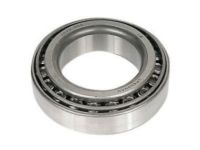
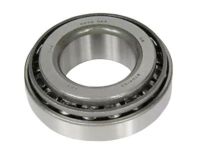
Related Cadillac Escalade EXT Parts
 Cadillac Escalade EXT Axle Shaft
 Cadillac Escalade EXT CV Boot
 Cadillac Escalade EXT CV Joint
 Cadillac Escalade EXT Differential
 Cadillac Escalade EXT Differential Bearing
 Cadillac Escalade EXT Differential Cover
 Cadillac Escalade EXT Differential Pinion Bearing
 Cadillac Escalade EXT Differential Seal
 Cadillac Escalade EXT Drive Shaft
 Cadillac Escalade EXT Driveshaft Yokes
 Cadillac Escalade EXT Slip Yoke
 Cadillac Escalade EXT Universal Joint