ChevyParts
My Garage
My Account
Cart
OEM Cadillac Brake Line
Brake Hose- Select Vehicle by Model
- Select Vehicle by VIN
Select Vehicle by Model
orMake
Model
Year
Select Vehicle by VIN
For the most accurate results, select vehicle by your VIN (Vehicle Identification Number).
191 Brake Lines found
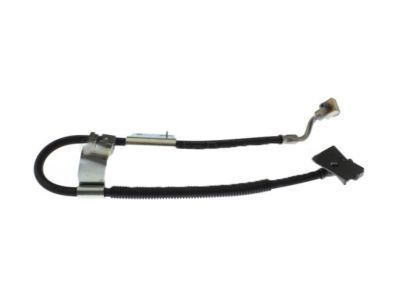
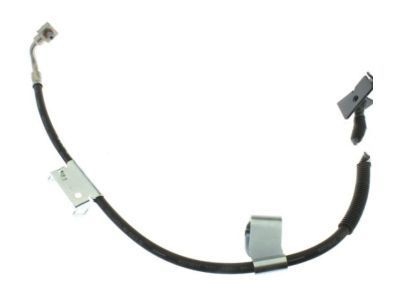
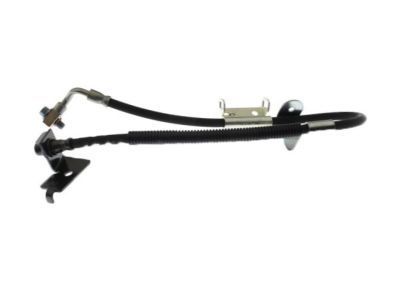
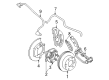
Cadillac Flex Hose, Front Driver Side Part Number: 19366683
$65.07 MSRP: $117.76You Save: $52.69 (45%)Ships in 1-2 Business DaysProduct Specifications- Other Name: Hose Assembly, Front Brake; Hydraulic Hose; Brake Hose; Brake Line; Hose, Hydraulic Brake
- Position: Driver Side
- Replaced by: 19540521
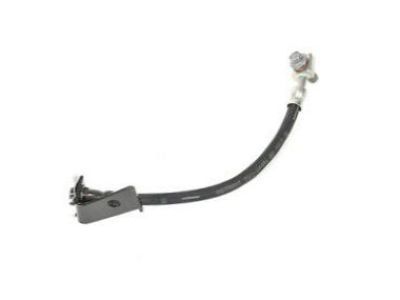
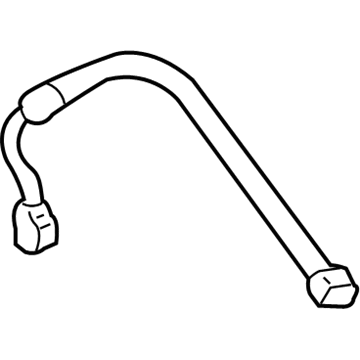
Cadillac Flex Hose, Rear Part Number: 19366703
$42.00 MSRP: $80.11You Save: $38.11 (48%)Ships in 1-2 Business DaysProduct Specifications- Other Name: Hose Assembly, Rear Brake; Hydraulic Hose; Brake Hose; Brake Line; Hose, Hydraulic Brake
- Position: Rear
- Replaced by: 19540526
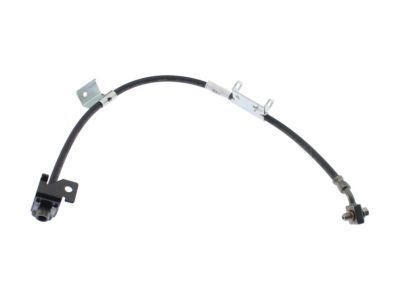
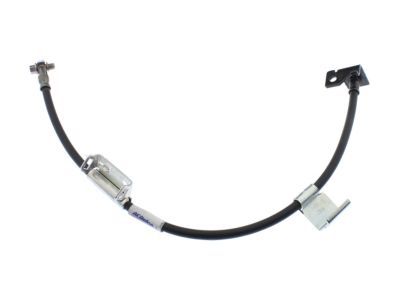
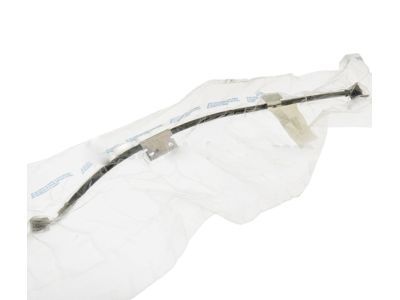
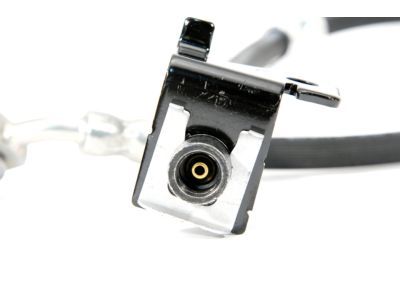
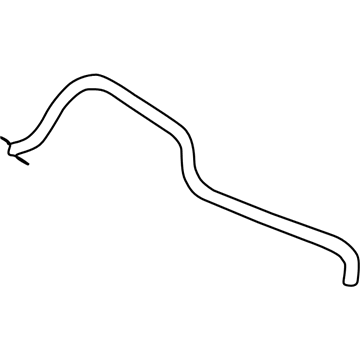
Cadillac Flex Hose, Front Driver Side Part Number: 19366695
$42.69 MSRP: $81.43You Save: $38.74 (48%)Product Specifications- Other Name: Hose Assembly, Front Brake; Hydraulic Hose; Brake Hose; Brake Line
- Position: Driver Side
- Replaced by: 19435351
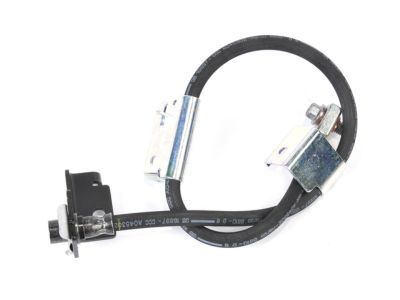
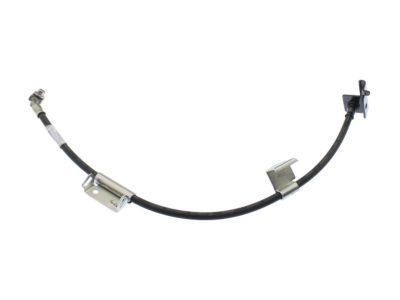
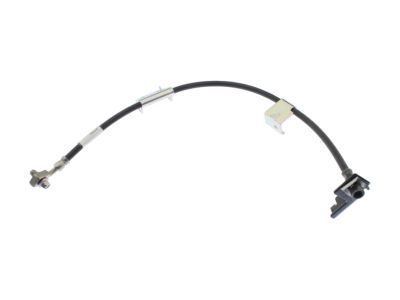
Cadillac Flex Hose, Front Passenger Side Part Number: 19366696
$42.83 MSRP: $81.66You Save: $38.83 (48%)Product Specifications- Other Name: Hose Assembly, Front Brake; Hydraulic Hose; Brake Hose; Brake Line
- Position: Passenger Side
- Replaced by: 19435352
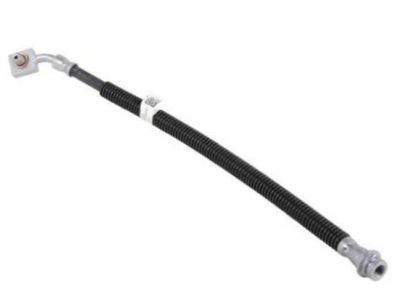
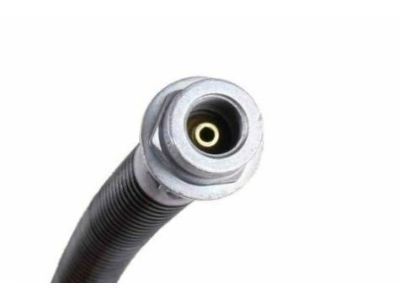
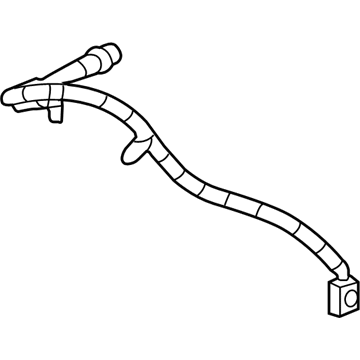
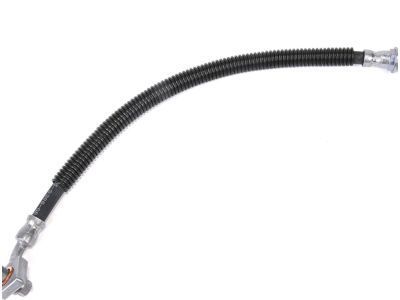
Cadillac Brake Hose, Front Driver Side Part Number: 84368266
$11.62 MSRP: $21.03You Save: $9.41 (45%)Ships in 1-2 Business DaysProduct Specifications- Other Name: Hose Assembly-Front Brake; Hydraulic Hose; Brake Line; Hose, Hydraulic Brake
- Position: Driver Side
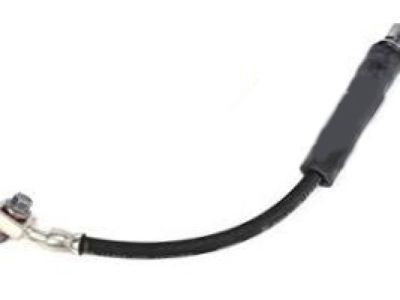
Cadillac Flex Hose, Front Driver Side Part Number: 84235275
$11.62 MSRP: $21.03You Save: $9.41 (45%)Ships in 1-2 Business DaysProduct Specifications- Other Name: Hose Assembly-Front Brake; Hydraulic Hose; Brake Hose; Brake Line; Hose, Hydraulic Brake
- Position: Driver Side
- Replaced by: 84368266
- Replaces: 23393596, 84059651
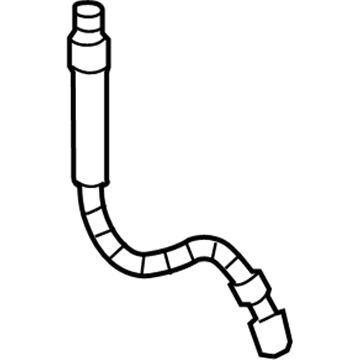
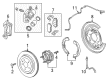
Cadillac Flex Hose Part Number: 84238005
$16.46 MSRP: $30.91You Save: $14.45 (47%)Ships in 1-2 Business DaysProduct Specifications- Other Name: Hose, Hydraulic Brake; Hydraulic Hose; Brake Hose; Brake Line
- Replaces: 20882724, 23182552
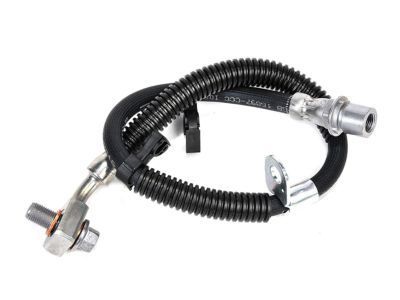
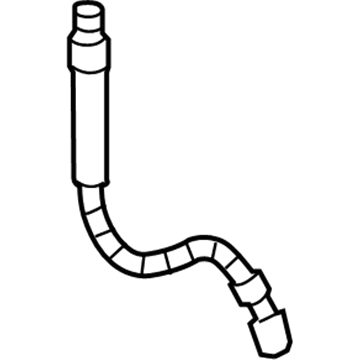
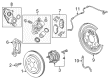
Cadillac Flex Hose, Front Passenger Side Part Number: 84237975
$19.12 MSRP: $34.63You Save: $15.51 (45%)Ships in 1-2 Business DaysProduct Specifications- Other Name: Hose Assembly-Front Brake; Hydraulic Hose; Brake Hose; Brake Line
- Position: Passenger Side
- Replaced by: 86538445
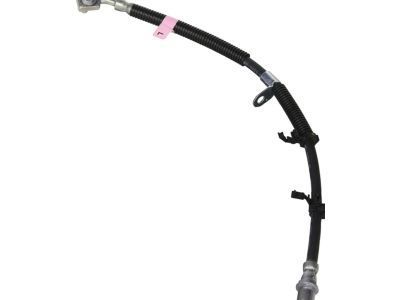
Cadillac Flex Hose, Front Driver Side Part Number: 84237974
$19.12 MSRP: $34.63You Save: $15.51 (45%)Ships in 1-2 Business DaysProduct Specifications- Other Name: Hose Assembly-Front Brake; Hydraulic Hose; Brake Hose; Brake Line; Hose, Hydraulic Brake; Hose, Brakes
- Position: Driver Side
- Replaced by: 86538444
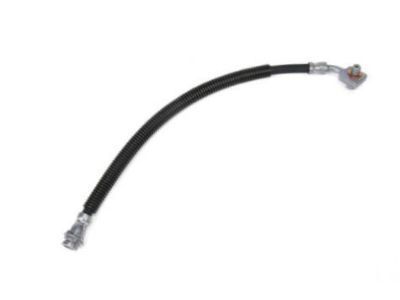
Cadillac Flex Hose, Front Passenger Side Part Number: 84235276
$11.41 MSRP: $21.40You Save: $9.99 (47%)Product Specifications- Other Name: Hose Assembly-Front Brake; Hydraulic Hose; Brake Hose; Brake Line; Hose, Hydraulic Brake
- Position: Passenger Side
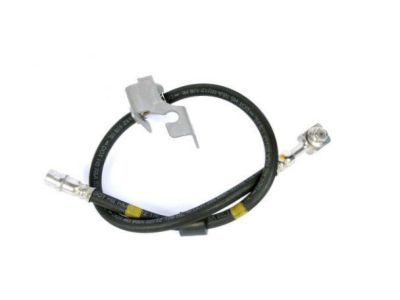
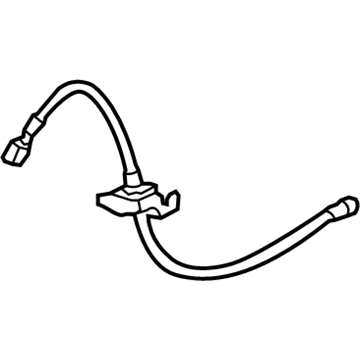
Cadillac Flex Hose, Driver Side Part Number: 39041641
$20.45 MSRP: $38.39You Save: $17.94 (47%)Ships in 1-2 Business DaysProduct Specifications- Other Name: Hose, Hydraulic Brake; Brake Hose; Caliper; Hose Package, Hydraulic Brake
- Position: Driver Side
- Replaces: 13336919, 13359998, 20933709, 13345579
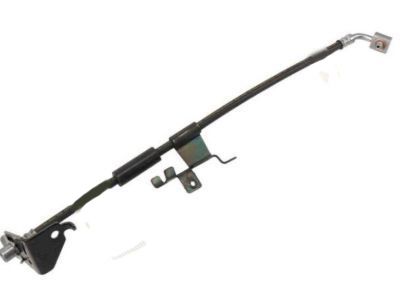
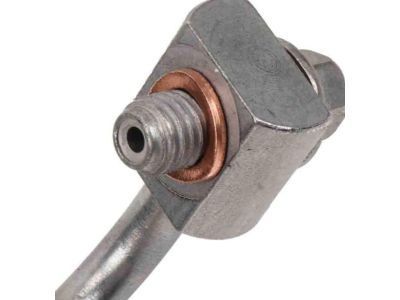
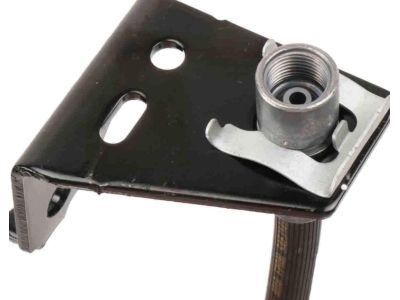
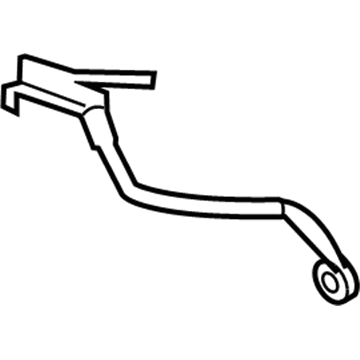
Cadillac Flex Hose, Front Passenger Side Part Number: 84331228
$22.79 MSRP: $42.79You Save: $20.00 (47%)Product Specifications- Other Name: Hose Assembly-Front Brake; Hydraulic Hose; Brake Hose; Brake Line; Hose, Hydraulic Brake
- Position: Passenger Side
- Replaces: 15923784, 25890939, 22829661, 22946996, 23245429, 84183672, 15875928
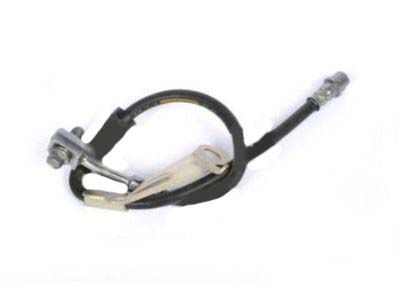
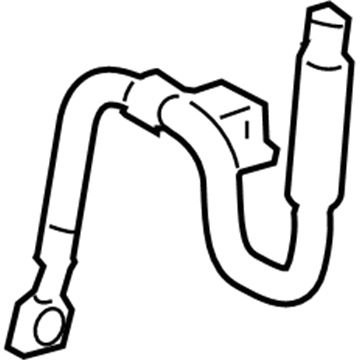
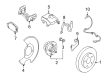
Cadillac Flex Hose, Front Passenger Side Part Number: 84025392
$25.16 MSRP: $47.25You Save: $22.09 (47%)Product Specifications- Other Name: Hose Assembly-Front Brake; Hydraulic Hose; Brake Hose; Brake Line; Hose, Hydraulic Brake
- Position: Passenger Side
- Replaces: 22868686
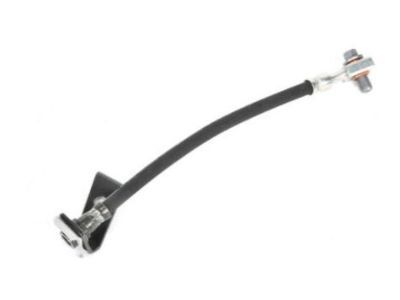
Cadillac Flex Hose, Rear Driver Side Part Number: 19366704
$39.37 MSRP: $73.93You Save: $34.56 (47%)Ships in 1-2 Business DaysProduct Specifications- Other Name: Hose Assembly, Rear Brake; Hydraulic Hose; Brake Hose; Brake Line; Hose, Hydraulic Brake
- Position: Driver Side
- Replaced by: 19540527
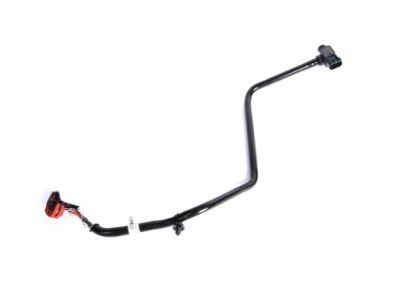
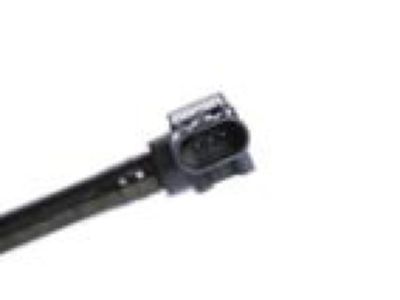
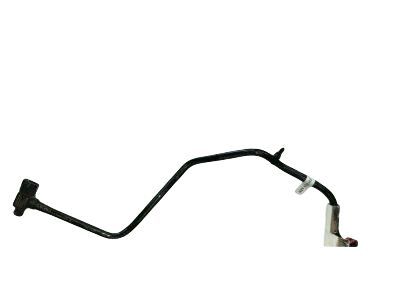
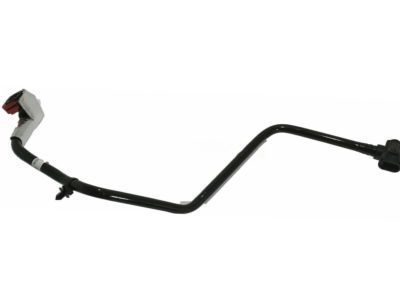
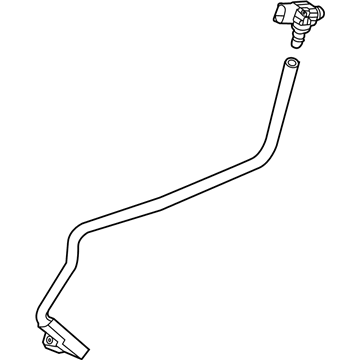
Cadillac Vacuum Tube Part Number: 23135228
$58.46 MSRP: $109.84You Save: $51.38 (47%)Ships in 1-2 Business DaysProduct Specifications- Other Name: Pipe Assembly-Power Brake Booster Vacuum; Brake Booster Vacuum Hose; Vacuum Hose; Sensor; Pipe, Vacuum Power Brake
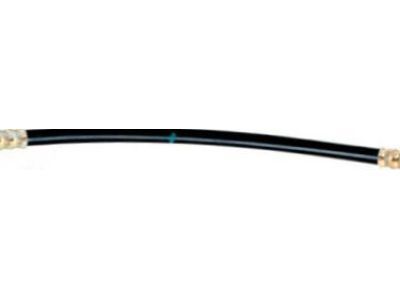
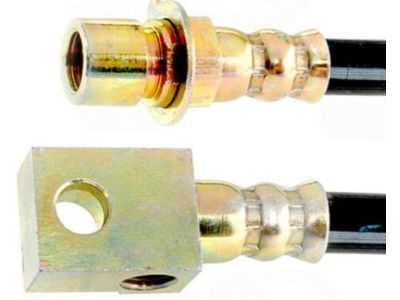
Cadillac Brake Hose, Rear Part Number: 19173041
$11.54 MSRP: $20.60You Save: $9.06 (44%)Product Specifications- Other Name: Hose Assembly, Rear Brake; Hydraulic Hose; Brake Line; Hose; Hose, Hydraulic Brake
- Position: Rear
- Replaced by: 19536766
- Replaces: 09757655, 9757655, 18031766
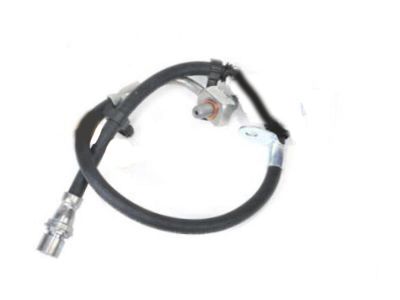
Cadillac Flex Hose, Front Driver Side Part Number: 84237978
$20.64 MSRP: $37.35You Save: $16.71 (45%)Ships in 1-2 Business DaysProduct Specifications- Other Name: Hose Assembly-Front Brake; Hydraulic Hose; Brake Hose; Brake Line; Hose, Hydraulic Brake; Hose, Brakes
- Position: Driver Side
- Replaces: 23318906
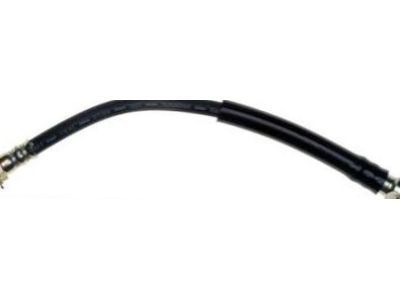
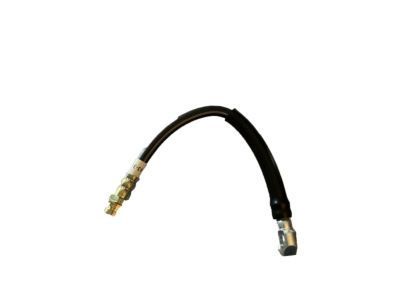
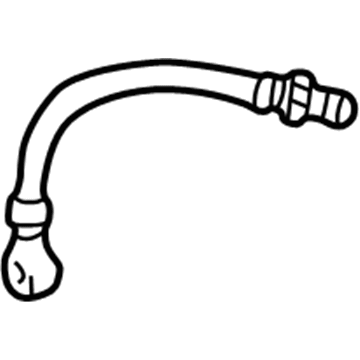
Cadillac Flex Hose, Front Part Number: 19173093
$9.22 MSRP: $16.46You Save: $7.24 (44%)Ships in 1-3 Business DaysProduct Specifications- Other Name: Hose Assembly, Front Brake; Hydraulic Hose; Brake Hose; Brake Line; Hose; Hose, Hydraulic Brake
- Position: Front
- Replaced by: 19536771
- Replaces: 17999356, 18031819, 22113483
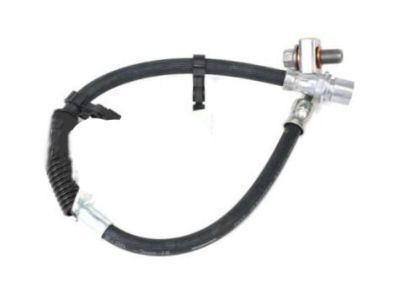
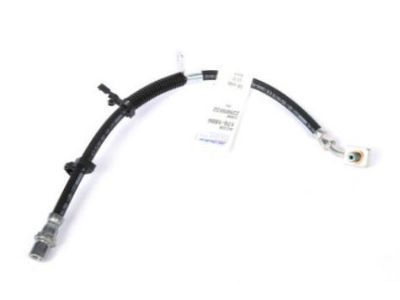
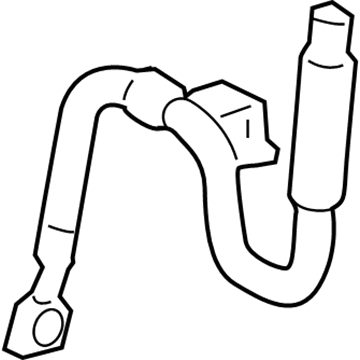
Cadillac Flex Hose, Front Passenger Side Part Number: 84237990
$16.02 MSRP: $28.61You Save: $12.59 (45%)Product Specifications- Other Name: Hose Assembly-Front Brake; Hydraulic Hose; Brake Hose; Brake Line; Hose, Hydraulic Brake; Hose, Brakes
- Position: Passenger Side
- Replaced by: 85846240
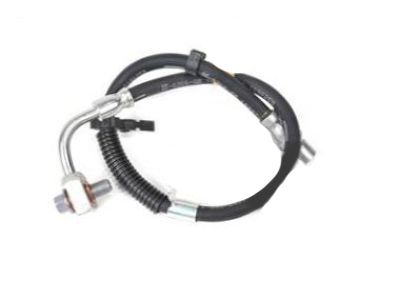
Cadillac Flex Hose, Front Passenger Side Part Number: 84237979
$23.37 MSRP: $41.73You Save: $18.36 (44%)Product Specifications- Other Name: Hose Assembly-Front Brake; Hydraulic Hose; Brake Hose; Brake Line; Hose, Hydraulic Brake; Hose, Brakes
- Position: Passenger Side
- Replaced by: 86538449
| Page 1 of 10 |Next >
1-20 of 191 Results
Cadillac Brake Line
Choose OEM Brake Line, you're making the optimal decision for superior quality and perfect performance. You can feel confident because each component goes through stringent quality checks. Every part is carefully built to comply with Cadillac's factory specifications. You'll enjoy a smooth, worry-free installation that fits just right. At ChevyPartsDeal.com, you'll find it easy to get top-quality OEM Cadillac Brake Line. You can shop at highly competitive prices and protect your budget. All our genuine Cadillac parts include a dependable manufacturer's warranty. You'll also appreciate our straightforward return policy and swift delivery services for extra convenience.
Cadillac Brake Line channels pass pressurized fluid without any hassle, providing drivers with a fast, reliable braking force. Cadillac was born in 1902 and treated the history of the automotive business with sculptured metal, velvety interiors and wood-lined cabins and V-engines that are hard pulling but smooth out into a hum at cruising speed demonstrating both comfort and power to be made of the same chassis. Each knob is a deliberate click, clusters of OLEDs curve without glare, and the seats are also massaging, and the bolsters tighten, turning everyday errands into an experience rather than a task. Cadillac continues to introduce bold concepts such as the full-width touchscreen, trick four-quadrant glass roof, and hands-free highway package on its new hand-built electric halo, which shows that tradition does not have to conflict with bold technology and new imagination. The crest continues to announce arrival, but the ride maintains its coolness, gulps and swallows potholes, straightens sweepers and allows drivers to get out at ease even after cross-state marathons. As the hydraulic pedal stroke forces the fluid out of the master cylinder, the Cadillac steel Brake Line resists bending, sheds heat waves and protects pressure to ensure that all the caliper clamps have the same force when striking. Road salt is applied to attack bare tubing and any pinhole made on a Brake Line bleeds pressure at a rate that cannot be stopped within time. Change it to pre-bent stainless tube or pre-bent braided hose and the Brake Line remains clean, crush resistant and the pedal response tightens on spirited runs. Fluid remains cold and liquid-like, making a hard stop a fluid instinctive reaction.
Cadillac Brake Line Parts and Q&A
- Q:How to replace the intermediate brake line assembly on Cadillac CTS?A:Vehicle lifting starts the replacement process of intermediate brake hose assembly. First clean all dirt and foreign debris from brake hose and brake pipe fittings before removing the right rear tire and wheel assembly. You need to detach the crossover brake pipe fitting from the intermediate brake hose assembly before capping the brake pipe fitting to stop brake fluid loss and contamination. Before disconnecting any fittings first remove the brake hose retainer from the rear frame bracket by using a flat bladed tool. To detach the brake caliper from its hose, first separate the bolt fitting on the brake caliper and remove the brake hose then seal the inlet port to avoid fluid leakages. Tap the brake hose fitting bolt threaded end against a shop towel placed on a solid surface to eliminate the gaskets while discarding any stuck copper gaskets from either the caliper or hose end. The intermediate brake hose assembly mounting nuts must be removed from the studs so the installers can extract the intermediate brake hose assembly from the vehicle. Make sure to install the brake hose without creating any kinks or twisting in the line. Mount the intermediate brake hose assembly on its studs then fasten it with mounting nuts tightened to 10 n.m (89 lb in). The intermediate brake hose assembly will be attached to both brake pipe fittings ahead of placing new copper brake hose gaskets in the brake caliper inlet port. The brake hose assembly requires installation of the new copper brake hose gaskets along with the fitting bolt to the brake hose and final placement of the bolt onto the brake caliper with a torque setting of 49 n.m (36 lb ft). The crossover brake pipe fitting and intermediate brake hose assembly need to join with proper tightening to 18 n.m (13 lb ft). Complete the brake bleeding procedure then put the wheel and tire back into place.
- Q:What are the steps and precautions for replacing brake lines on Cadillac Escalade?A:During the replacement of brake pipes, always use double-walled steel brake pipe in order to obviate brake system failure, when routing pipes correctly, and retaining the pipes, using the right fasteners on their correct places in order to mitigate the criticism that may bring about the damage which could cause personal injury. Parallel brake pipes should have a 6mm (1/4 in) stick out. Start with a braking pipe-detach the brake pipe with the help of braking pipe fittings, thereafter give brakes pipe fasteners a break from the vehicle & remove brake pipe. Next, bend the new brake pipe for a good fitting at the vehicle and fix it in a vehicle with a 25 mm (1 in) clearance from any moving or vibrating part of the vehicle. While securing the brake pipe fasteners, hook up the brake pipe connectors to the brake pressure modulator valve (BPMV) or wheel jounce hoses to the same torque of 25 N.m (18 lb ft) and to the master cylinder, also to 25 N.m (18 lb ft). Lastly, bleed the hydraulic brake system with the Antilock Brake System Automated Bleed Procedure.
Related Cadillac Parts
 Cadillac Brake Booster
 Cadillac Backing Plate
 Cadillac Brake Bleeder Screw
 Cadillac Brake Booster Vacuum Hose
 Cadillac Brake Caliper Bracket
 Cadillac Brake Caliper Piston
 Cadillac Brake Controller
 Cadillac Brake Fluid Pump
 Cadillac Clutch Hose
 Cadillac Hydraulic Hose
 Cadillac Parking Brake Cable
 Cadillac Yaw Sensor