ChevyParts
My Garage
My Account
Cart
OEM GMC Vapor Pressure Sensor
Fuel Vapor Pressure Sensor- Select Vehicle by Model
- Select Vehicle by VIN
Select Vehicle by Model
orMake
Model
Year
Select Vehicle by VIN
For the most accurate results, select vehicle by your VIN (Vehicle Identification Number).
8 Vapor Pressure Sensors found
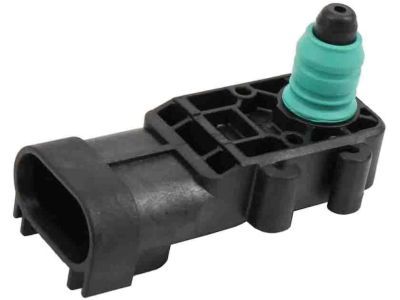
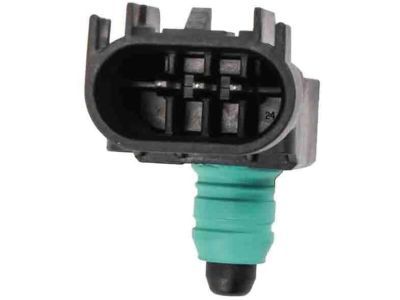
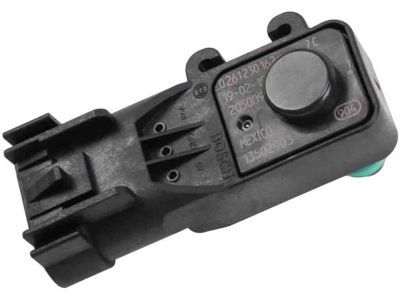
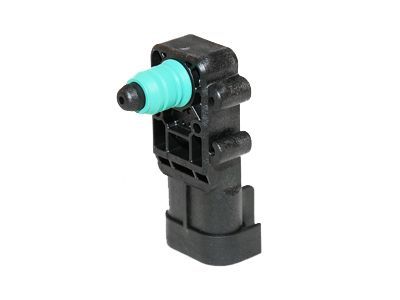
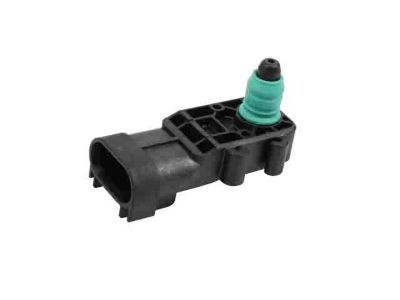
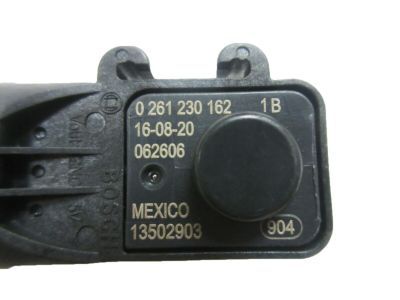

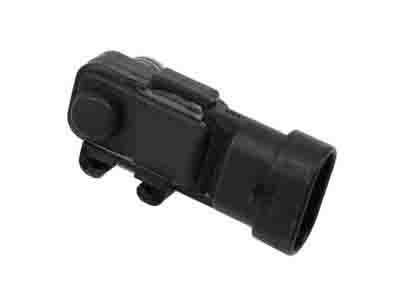
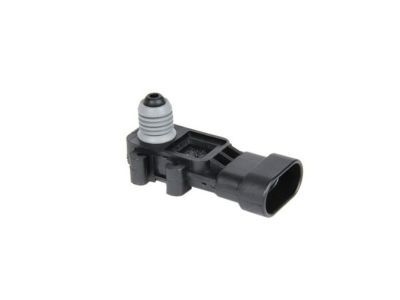
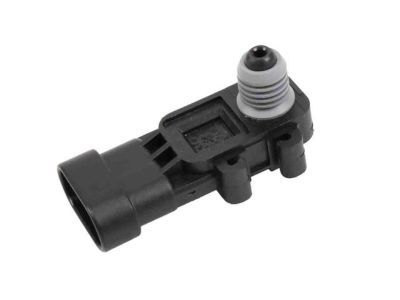
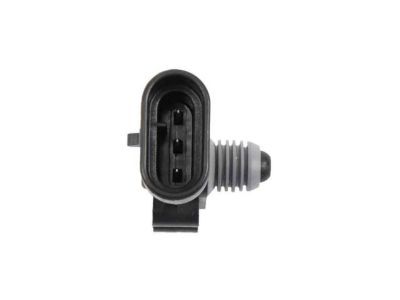
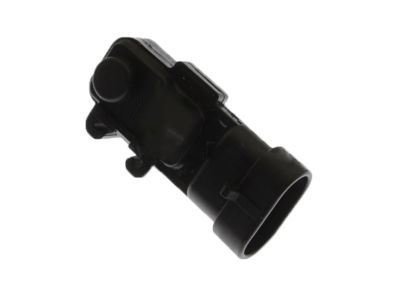
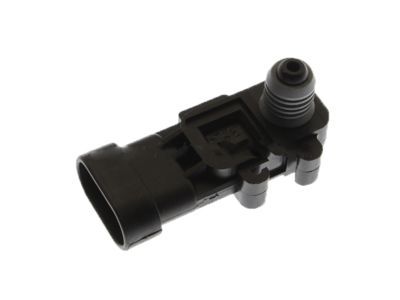
GMC Pressure Sensor, Passenger Side Part Number: 13502903
$48.74 MSRP: $105.55You Save: $56.81 (54%)Ships in 1-2 Business DaysProduct Specifications- Other Name: Sensor Kit, Fuel Tank Meter/Pump; Fuel Tank Pressure Sensor
- Position: Passenger Side
- Replaces: 13502510
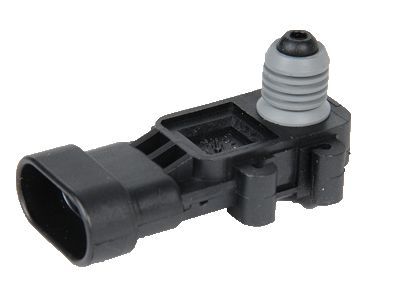

GMC Fuel Pressure Regulator, Passenger Side Part Number: 16238399
$49.19 MSRP: $106.48You Save: $57.29 (54%)Product Specifications- Other Name: Sensor, Fuel Tank Pressure; Fuel Tank Pressure Sensor; Fuel Pressure Sensor
- Position: Passenger Side
- Replaced by: 19540725
- Replaces: 09377680, 12206740, 16217059, 16196060, 22678829, 9377680, 12219388, 16257276

GMC Pressure Sensor Part Number: 12718935
$13.17 MSRP: $29.11You Save: $15.94 (55%)Product Specifications- Other Name: Sensor Assembly-Crankcase Pressure
- Replaced by: 12740187

GMC Sensor, Computer Control Sensors Part Number: 40009113
$23.10 MSRP: $43.38You Save: $20.28 (47%)Ships in 1-2 Business DaysProduct Specifications- Replaced by: 40009562

GMC Pressure Sensor Part Number: 12677718
$24.24 MSRP: $45.52You Save: $21.28 (47%)Ships in 1-2 Business DaysProduct Specifications- Other Name: Sensor, Computer Control Sensors; Exhaust Gas Differential Pressure Sensor
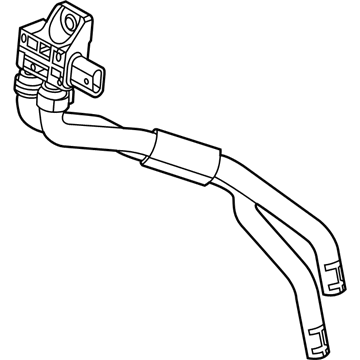
GMC Pipe, Emission System Part Number: 40009112
$23.65 MSRP: $44.42You Save: $20.77 (47%)Product Specifications- Other Name: PIPE ASM-EXH PRESS SEN
- Replaced by: 40009563
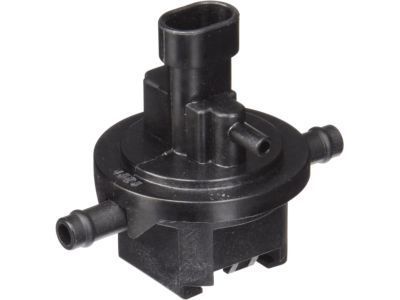
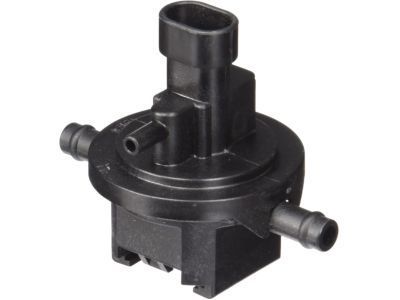
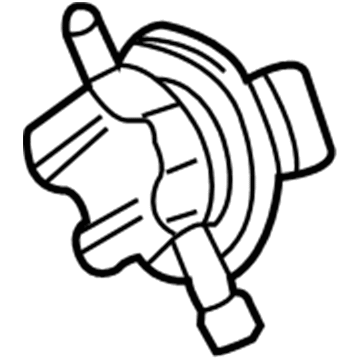
GMC Solenoid Switch Part Number: 24506192
Product Specifications- Other Name: Switch Kit, Fuel Vapor Canister Purge
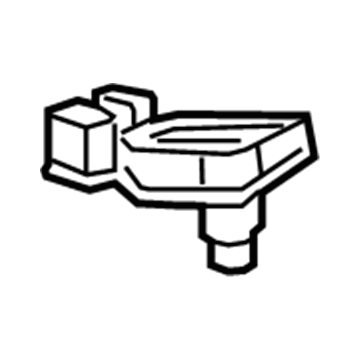
GMC Pressure Sensor Part Number: 13574913
$27.59 MSRP: $49.26You Save: $21.67 (44%)Product Specifications- Other Name: Sensor Kit, Fuel Tank Meter/Pump; Fuel Tank Pressure Sensor; Fuel Pressure Sensor; Tank Pressure Sensor; Sensor, Fuel Tank Meter/Pump
GMC Vapor Pressure Sensor
Choose OEM Vapor Pressure Sensor, you're making the optimal decision for superior quality and perfect performance. You can feel confident because each component goes through stringent quality checks. Every part is carefully built to comply with GMC's factory specifications. You'll enjoy a smooth, worry-free installation that fits just right. At ChevyPartsDeal.com, you'll find it easy to get top-quality OEM GMC Vapor Pressure Sensor. You can shop at highly competitive prices and protect your budget. All our genuine GMC parts include a dependable manufacturer's warranty. You'll also appreciate our straightforward return policy and swift delivery services for extra convenience.
The GMC Vapor Pressure Sensor is applied to make sure that the vapors of the fuel are retained so that the emissions are kept at low rate as the engine continues to run smoothly. The heavy duty frame work, powerful engines and professional level suspensions that make GMC cars traverse rough roads but provide a smooth ride are some of the things that people respect about these vehicles. The drivers will have high-tech features of safety which incorporates surround vision, hitch guidance, and be flexible MultiPro tailgate which will shorten the cargo loading into a one-person task. All trucks and SUVs are introduced to the market after passing rigorous tests that proved the reliability of the models, and constant upgrading of the technology is evidence of the attentive attitude of the brand to power and comfort. Vapor Pressure Sensor is a relatively small part of the EVAP system because it measures the fuel tank pressure; sends the data to the engine computer and helps detect small leaks that will lead to wastes and air pollution. To switch the sensor, you should park on flat surfaces first, release the brake and take out the battery so as to avoid sparks. Release fuel system pressure, crawl underneath the truck, find the sensor on the EVAP canister or on top of the tank and label electrical connector and any vapor hose. Take out retaining clips or screw, unscrew the old part, test the O-ring, apply a little clean oil and then screw firmly the new part in. Fit refit screws, re-commit hoses and wiring, re-establish battery power, clear fault codes and finally carry out short road drive, leak test to ensure tight fit.
Related GMC Parts
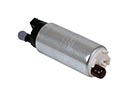 GMC Fuel Pump
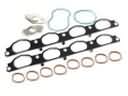 GMC Intake Manifold Gasket
 GMC Accelerator Cable
 GMC Air Duct
 GMC Air Filter Box
 GMC Carburetor Gasket Kit
 GMC Fuel Filler Hose
 GMC Fuel Filler Housing
 GMC Fuel Filler Neck
 GMC Fuel Pressure Sensor
 GMC Fuel Pump Strainer
 GMC Throttle Body Gasket
Browse GMC Vapor Pressure Sensor by Models
Acadia Sierra 1500 Yukon Canyon Sierra 2500 HD Terrain Envoy Sonoma C1500 Envoy XL Envoy XUV Jimmy K1500 Safari Savana 2500 Savana 3500 Sierra 2500 Sierra 3500 Yukon XL Acadia Limited C2500 C3500 K2500 K3500 Savana 1500 Yukon XL 1500 Sierra 1500 Classic Sierra 1500 HD Sierra 1500 HD Classic Sierra 1500 Limited Sierra 2500 HD Classic Sierra 3500 Classic Sierra 3500 HD Yukon XL 2500