ChevyParts
My Garage
My Account
Cart
OEM Chevrolet Piston
Engine Pistons- Select Vehicle by Model
- Select Vehicle by VIN
Select Vehicle by Model
orMake
Model
Year
Select Vehicle by VIN
For the most accurate results, select vehicle by your VIN (Vehicle Identification Number).
197 Pistons found
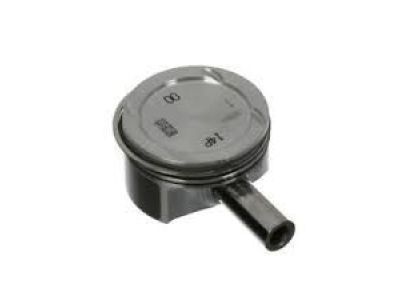
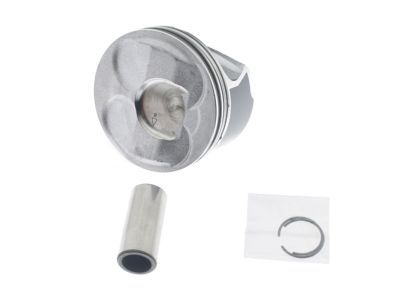
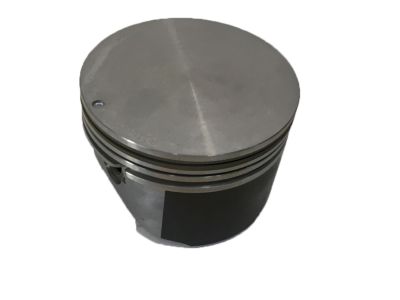
Chevrolet Piston Part Number: 25198520
$67.21 MSRP: $105.26You Save: $38.05 (37%)Ships in 1-2 Business DaysProduct Specifications- Other Name: Piston, Engine Piston
- Replaces: 55580184, 55577096
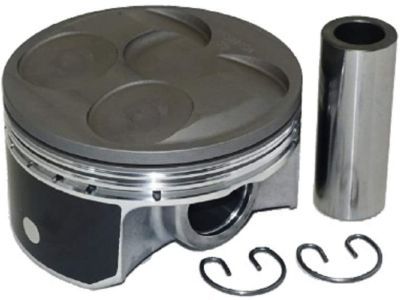
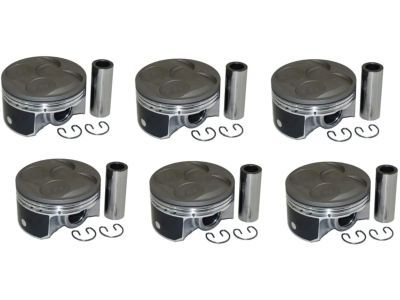
Chevrolet Piston Part Number: 12616972
$47.46 MSRP: $120.53You Save: $73.07 (61%)Ships in 1-3 Business DaysProduct Specifications- Other Name: Piston, (W/Pinion); Piston, Engine Piston
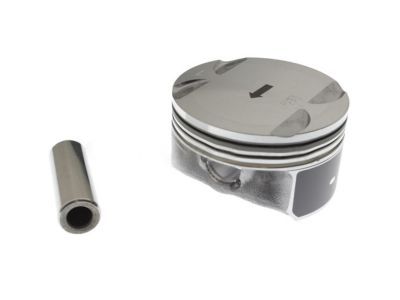
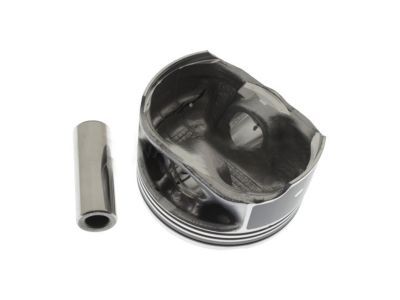
Chevrolet Pistons, Green Line Part Number: 12646457
$53.03 MSRP: $134.68You Save: $81.65 (61%)Ships in 1-3 Business DaysProduct Specifications- Other Name: Piston Kit, Engine Piston; Piston
- Replaces: 12608531, 12631102, 19180835, 89018112
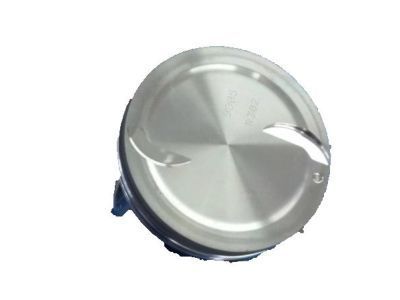
Chevrolet Piston Part Number: 89017850
$108.69 MSRP: $179.08You Save: $70.39 (40%)Ships in 1-3 Business DaysProduct Specifications- Other Name: Piston, Engine Piston
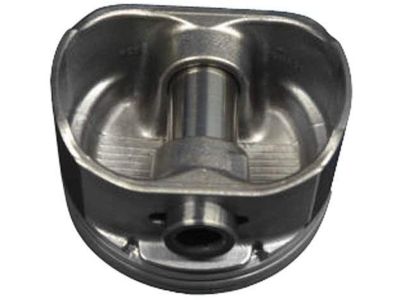
Chevrolet Piston Part Number: 89060486
$42.03 MSRP: $75.42You Save: $33.39 (45%)Ships in 1-2 Business DaysProduct Specifications- Other Name: Piston Assembly, (W/Pinion); Piston, Engine Piston; Piston, Engine
- Replaces: 89017577
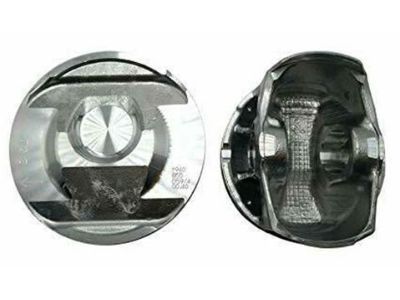
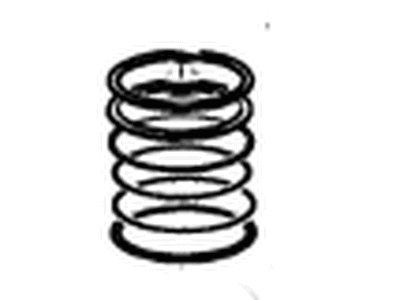
Chevrolet Piston Part Number: 12652807
$44.68 MSRP: $80.12You Save: $35.44 (45%)Ships in 1-3 Business DaysProduct Specifications- Other Name: Piston Kit, Engine Piston
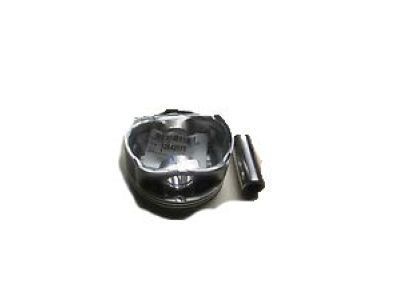
Chevrolet Piston Part Number: 89017849
$68.59 MSRP: $123.06You Save: $54.47 (45%)Ships in 1-2 Business DaysProduct Specifications- Other Name: Piston, Engine Piston
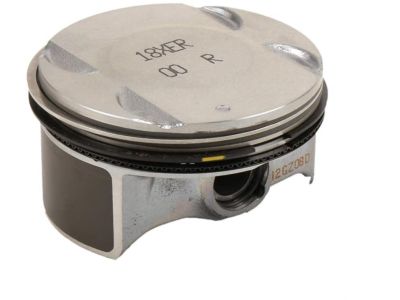
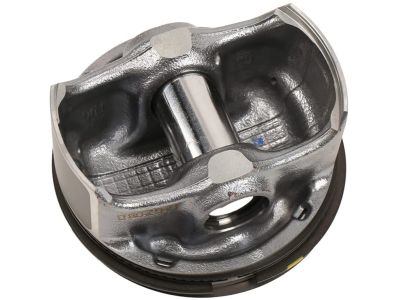
Chevrolet Pistons Part Number: 25192330
$122.60 MSRP: $219.91You Save: $97.31 (45%)Product Specifications- Other Name: Piston; Piston, Engine Piston
- Replaces: 25192716, 55567934, 55558392, 55576441
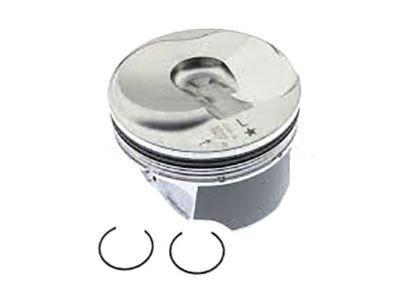
Chevrolet Piston Part Number: 12656877
$20.94 MSRP: $44.40You Save: $23.46 (53%)Product Specifications- Other Name: Piston Kit, Engine Piston
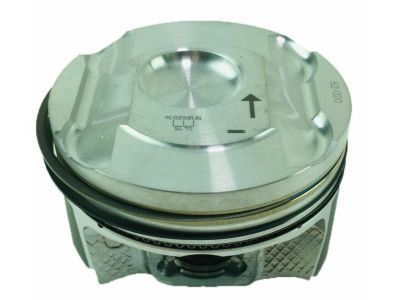
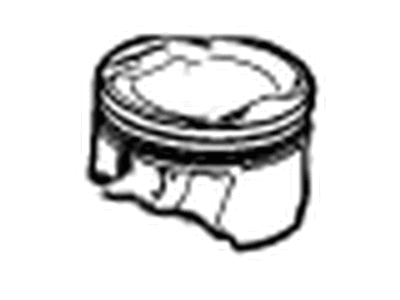
Chevrolet Piston Part Number: 12674548
$19.12 MSRP: $39.17You Save: $20.05 (52%)Product Specifications- Other Name: Piston, Engine Piston
- Replaced by: 25204266
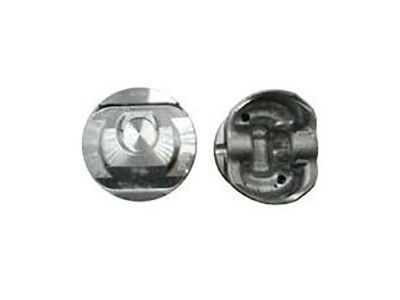
Chevrolet Piston Part Number: 12652809
$20.17 MSRP: $33.24You Save: $13.07 (40%)Product Specifications- Other Name: Piston Kit, Engine Piston
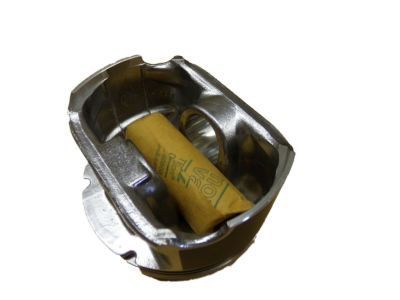
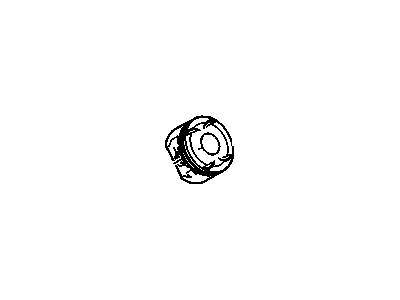
Chevrolet Piston Part Number: 12590866
$23.92 MSRP: $39.41You Save: $15.49 (40%)Ships in 1-3 Business DaysProduct Specifications- Other Name: Piston, (W/Pinion); Piston, Engine Piston
- Replaces: 92068320
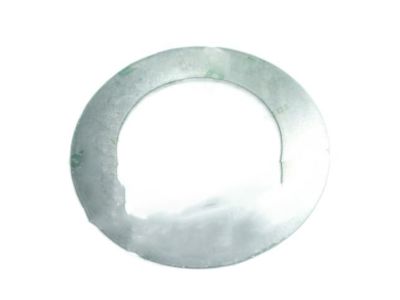
Chevrolet Piston Part Number: 12705612
$25.39 MSRP: $41.81You Save: $16.42 (40%)Ships in 1-2 Business DaysProduct Specifications- Other Name: Piston Kit, .; Piston Kit, Engine Piston; Piston, Engine Piston
- Replaces: 12688861
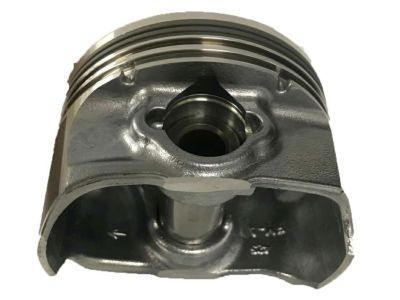
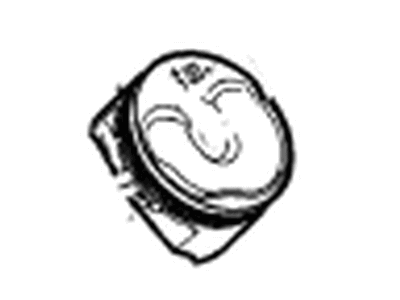
Chevrolet Piston Part Number: 12656876
$26.96 MSRP: $44.40You Save: $17.44 (40%)Ships in 1-2 Business DaysProduct Specifications- Other Name: Piston Kit, Engine Piston
Chevrolet Piston Part Number: 12674056
$35.01 MSRP: $57.67You Save: $22.66 (40%)Ships in 1-3 Business DaysProduct Specifications- Other Name: Piston Kit, Engine Piston
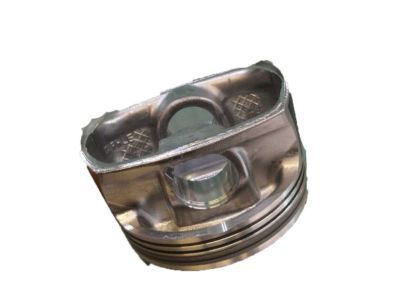
Chevrolet Piston Part Number: 12631196
$40.92 MSRP: $67.39You Save: $26.47 (40%)Ships in 1-2 Business DaysProduct Specifications- Other Name: Piston, (W/Pinion); Piston, Engine Piston
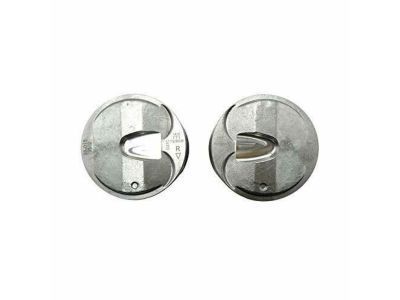
Chevrolet Piston Part Number: 12631195
$40.92 MSRP: $67.39You Save: $26.47 (40%)Ships in 1-3 Business DaysProduct Specifications- Other Name: Piston, (W/Pinion); Piston, Engine Piston
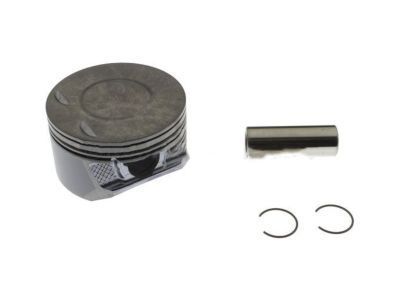
Chevrolet Piston Part Number: 89018218
$42.84 MSRP: $70.57You Save: $27.73 (40%)Ships in 1-3 Business DaysProduct Specifications- Other Name: Piston Kit, Engine; Piston Kit, Engine Piston
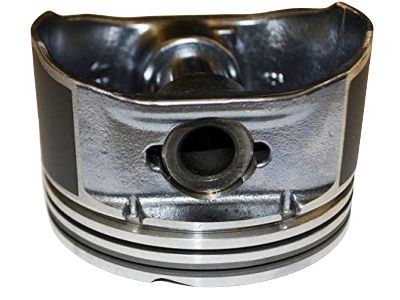
Chevrolet Piston Part Number: 19208675
$47.85 MSRP: $78.85You Save: $31.00 (40%)Ships in 1-2 Business DaysProduct Specifications- Other Name: Piston Kit, Engine Piston; Piston Kit, Engine
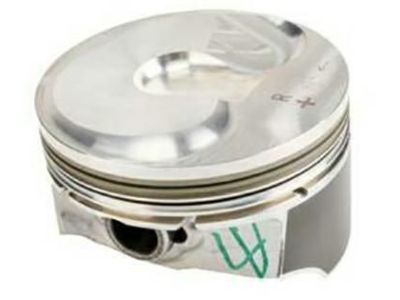
Chevrolet Piston Part Number: 12656874
$56.09 MSRP: $96.02You Save: $39.93 (42%)Ships in 1-3 Business DaysProduct Specifications- Other Name: Piston Kit, Engine Piston
| Page 1 of 10 |Next >
1-20 of 197 Results
Chevrolet Piston
Choose OEM Piston, you're making the optimal decision for superior quality and perfect performance. You can feel confident because each component goes through stringent quality checks. Every part is carefully built to comply with Chevrolet's factory specifications. You'll enjoy a smooth, worry-free installation that fits just right. At ChevyPartsDeal.com, you'll find it easy to get top-quality OEM Chevrolet Piston. You can shop at highly competitive prices and protect your budget. All our genuine Chevrolet parts include a dependable manufacturer's warranty. You'll also appreciate our straightforward return policy and swift delivery services for extra convenience.
Chevrolet Piston converts explosive force in the cylinder to pure, punchy movement that propels any car forward. Over the course of its existence, Chevrolet has been over one hundred years in pursuit of practical speed and everyday comfort rather than hype. Chevy consumers are aware that they can get in and start the key and just drive. The lineup remains friendly, affordable and unstuffy with compact commuters and bruising pickups. Chevy continues to introduce wiser cabins, sharper infotainment and hands-free highway helps that reduce stress instead of introducing gimmicks. Chevy also constructs engines vigorous enough to perform cross-country journeys and gentle enough to run errands at the grocery. Drivers like straightforward controls, spacious seats and styling that is paying just enough nod to history without appearing riveted on them. Extensive warranty periods and a broad selection of parts ensure that the trips remain on the road and not on hold. The new Piston made of lightweight alloys of aluminum drags off the fierce furnace and load inside each cylinder. It transforms expansion of the fiery gas into a solid push on the crank and transmits the torque down the stream without unnecessary movement. The design is in the form of heavy trunks to support the side loads and in sleek slipper faded forms to support high-rev balance. Anyhow, the oil rings are kept low to make walls oily and friction dull. A good Piston is round, it does not scuff, and compression is faithful as long as it is applied. That consistency allows Chevrolet to tap sincere power with small displacements and at the same time sipping fuel.
Chevrolet Piston Parts and Q&A
- Q:How to clean and inspect piston/connecting rod assemblies on Chevrolet Tracker?A:Before going through the inspection process, clean the piston/rod assemblies and remove the original piston rings. When you reassemble the engine, make sure to use new piston rings. Using a piston ring installation tool, gently take off the rings from the pistons trying not to spoil them. Simply scrape away carbon deposits on top of the piston then use a hand-held wire brush or fine emery cloth after most of it is gone. Do not use a wire brush in a drill motor because it can erode the soft material of the piston. Take out all carbon from ring grooves using either a tool for cleaning grooves or broken old rings without removing metal or damaging side faces of grooves. Having removed the deposits, wash off pistons/rods using solvent and dry up with compressed air ensuring clear oil return holes at back sides of ring grooves. In case pistons and cylinder walls are not significantly damaged or worn excessively and if there is no need for reboring an engine block, then new pistons may not be necessary; otherwise when overhauling an engine always replace with new ones. Examine each piston carefully for any signs of cracks around its skirt, pin bosses as well as ring lands. Watch out for scores at scuffing points on skirts thrust faces, pit marks in crown that look like worm holes and burnt edges around upper part pointing to probable overheating or an abnormal combustion problem. Check what causes include intake air leaks, wrong fuel/air mixture ratios, timing differences or EGR system failures (Garrett 460). If you see small pits, corrosion means coolant leakage into combustion chamber or crankcase requiring correction. Measure both piston ring side clearance and bore-to-piston clearance to ensure they are in specifications. Confirmations about piston-to-rod clearance may be obtained from an automotive machine shop if need be. Should one require separating pistons from connecting rods he should consult an automotive machine shop. Inspect rods for cracking and damage, take off rod caps for bearing surface inspection purposes only to replace old bearings when an engine is being rebuilt as a result of connecting rod knock and make sure that new rods are installed where necessary.
- Q:What are the steps and considerations for replacing or reusing pistons in V8 engine on Chevrolet El Camino?A:In most cases of high mileage engines, original pistons need replacement due to the requirement of boring the cylinders to a larger size for normal wear compensation; however, if the cylinder walls only need slight finish honing, old pistons may be reused if they are in good condition. Begin by washing the connecting rods and pistons in a cleaning solvent and drying them with compressed air if available, avoiding wire brushes or abrasive tools on any piston part. Clean the ring grooves with a groove cleaner tool, ensuring the oil ring holes and slots are also clean. Check the rods for twist, bending, nicks, or cracks, replacing any damaged rods. Inspect the piston for cracked ring lands, skirts, or pin bosses, as well as worn or wavy ring lands, scuffed skirts, and eroded areas at the top; any damaged pistons or those showing excessive wear should be replaced. Look for nicks in the ring grooves that may cause the rings to hang up. While the piston is still connected to the connecting rod, swivel the rod back and forth to assess the degree of difficulty, comparing all piston/rod assemblies; if the rods are loose on the piston pins with little or no drag, the piston pins are worn and need replacement. If the cylinder block requires any machine work, including finish honing, the machinist will likely want the pistons on hand to check piston-to-bore clearance, a critical measurement best handled by the machine shop.
Related Chevrolet Parts
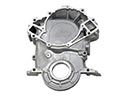 Chevrolet Timing Cover
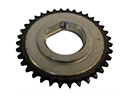 Chevrolet Balance Shaft Gear
 Chevrolet Camshaft Seal
 Chevrolet Crankshaft Seal
 Chevrolet Engine Mount Bracket
 Chevrolet Oil Drain Plug
 Chevrolet Oil Pan Baffle
 Chevrolet Piston Ring Set
 Chevrolet Rod Bearing
 Chevrolet Spool Valve
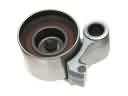 Chevrolet Timing Belt Idler Pulley
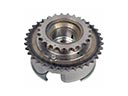 Chevrolet Variable Timing Sprocket
Browse Chevrolet Piston by Models
Nova S10 Colorado C10 Tahoe Cruze Malibu Camaro Equinox Impala SSR Avalanche Silverado 1500 Silverado 2500 HD Caprice Cobalt Suburban Traverse Blazer HHR Sonic Tracker Volt El Camino K10 Spark Trax Trailblazer Astro Cavalier Corvette C20 Aveo Beretta C1500 C2500 C30 C3500 Celebrity City Express Corsica Express 1500 Express 2500 Express 3500 G10 G20 G30 K1500 K20 K2500 K30 K3500 K5 Blazer Lumina Metro Monte Carlo Prizm S10 Blazer Silverado 2500 Sprint Uplander Venture Lumina APV Silverado 3500 Suburban 1500 Trailblazer EXT Avalanche 1500 Avalanche 2500 Aveo5 C10 Suburban C1500 Suburban C20 Suburban C2500 Suburban Captiva Sport Citation II Cruze Limited Impala Limited K10 Suburban K1500 Suburban K20 Suburban K2500 Suburban R10 R10 Suburban R1500 Suburban R20 R20 Suburban R2500 R2500 Suburban R30 R3500 Silverado 1500 Classic Silverado 1500 HD Silverado 1500 HD Classic Silverado 1500 LTD Silverado 2500 HD Classic Silverado 3500 Classic Silverado 3500 HD Spectrum Suburban 2500 Suburban 3500 HD Traverse Limited V10 V10 Suburban V1500 Suburban V20 V20 Suburban V2500 Suburban V30 V3500