ChevyParts
My Garage
My Account
Cart
OEM Chevrolet Classic A/C Hose
Air Conditioning Hose- Select Vehicle by Model
- Select Vehicle by VIN
Select Vehicle by Model
orMake
Model
Year
Select Vehicle by VIN
For the most accurate results, select vehicle by your VIN (Vehicle Identification Number).
3 A/C Hoses found
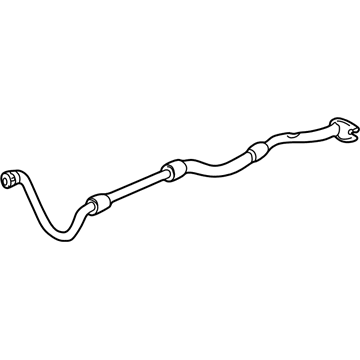
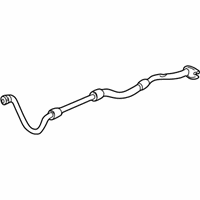
Chevrolet Classic A/C Line Part Number: 22603649
$34.80 MSRP: $103.00You Save: $68.20 (67%)Ships in 1-2 Business Days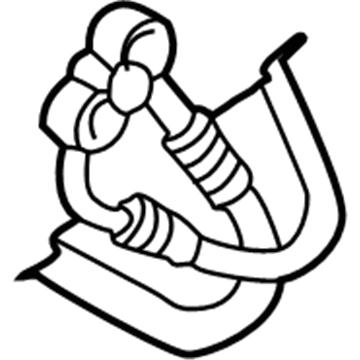
Chevrolet Classic Suction & Discharge Hose Assembly Part Number: 22681633
$125.56 MSRP: $227.26You Save: $101.70 (45%)Ships in 1-2 Business Days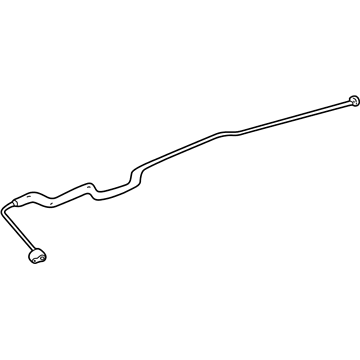
Chevrolet Classic A/C Tube Part Number: 22661508
$44.97 MSRP: $80.30You Save: $35.33 (44%)
Chevrolet Classic A/C Hose
Want to cut long-term maintenance and repair costs? Choose OEM A/C Hose. Those parts deliver top durability you can trust. On our site, you'll find a huge catalog of genuine Chevrolet Classic parts. Prices are unbeatable, so you can keep more in your pocket. Every OEM Chevrolet Classic A/C Hose includes a manufacturer's warranty. You can also get an easy return policy that keeps buying risk free. Fast delivery, get your car on the road quickly. It's simple to search, compare, and order. Stop guessing about quality or fit. Order today and save with parts that last.
Chevrolet Classic A/C Hose Parts and Q&A
- Q:How to Replace an A/C Hose in a Compressor Hose Assembly on Chevrolet Classic?A:The first step to replace the compressor hose assembly is to recover any present refrigerant. The sensor separation starts with disconnecting the electrical component from the pressure monitor located on the hose. Begin by unwinding the bolt which anchors the compressor hose bracket to the Fan Shroud and afterward remove the compressor hose assembly to condenser nut and final step is to separate the compressor hose assembly from the condenser by discarding the seal washer. Rise the car and take off the right front fender liner. Neutralize the compressor hose assembly nut which mounts to the accumulator before separating the assembly from its mounting point on the accumulator while discarding the existing seal washer. Proceed to remove the block fitting bolt from the compressor and disconnect the compressor hose assembly from the compressor unit by discarding both seal washers. Install block fitting bolt to compressor when it is 33 n.m (24 lb ft) tight. To start the installation, place new seal washers onto compressor ports first. Begin installation by attaching new seal washers to the accumulator location of the compressor hose then joining the compressor hose assembly and nut to the accumulator while tightening this nut to 25 n.m (18 lb ft). Place the right front fender liner back and lower the vehicle before installing the new seal washer on the condenser end of the compressor hose. After fitting the condenser hose with its nut connect it tightly to 25 n.m (18 lb-ft). Insert the compressor hose bracket with its bolt onto the Fan Shroud before torquing the bolt to 10 n.m (89 lb in). The last step involves mounting the new hose being connected to the refrigerant pressure sensor after installing its o-ring. Complete a vacuum process of the refrigerant system before charging it with new gas while using the halogen leak detector (J 39400-A) to inspect all component fittings for leaks.
Related Chevrolet Classic Parts
 Chevrolet Classic A/C Accumulator
 Chevrolet Classic A/C Compressor
 Chevrolet Classic A/C Compressor Clutch
 Chevrolet Classic A/C Compressor Cut-Out Switches
 Chevrolet Classic A/C Condenser
 Chevrolet Classic A/C Orifice Tube
 Chevrolet Classic A/C System Valve Core
 Chevrolet Classic Blend Door Actuator
 Chevrolet Classic Cabin Air Filter
 Chevrolet Classic Evaporator
 Chevrolet Classic Heater Core
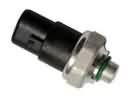 Chevrolet Classic HVAC Pressure Switch