ChevyParts
My Garage
My Account
Cart
OEM Buick Ball Joint
Control Arm Joint- Select Vehicle by Model
- Select Vehicle by VIN
Select Vehicle by Model
orMake
Model
Year
Select Vehicle by VIN
For the most accurate results, select vehicle by your VIN (Vehicle Identification Number).
22 Ball Joints found
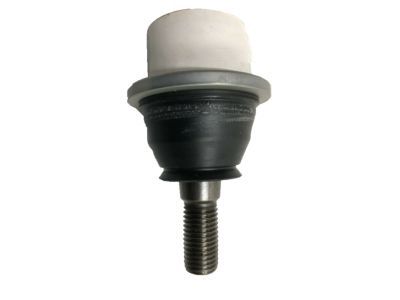
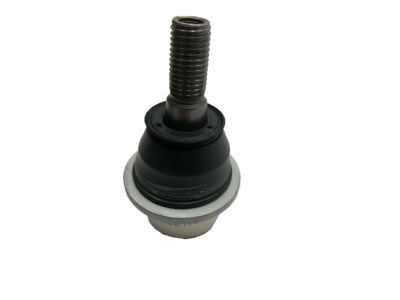
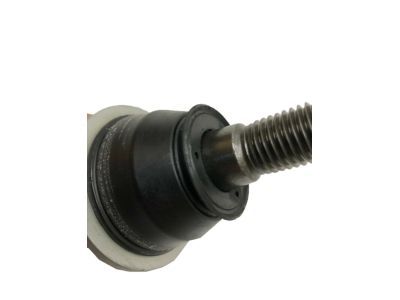
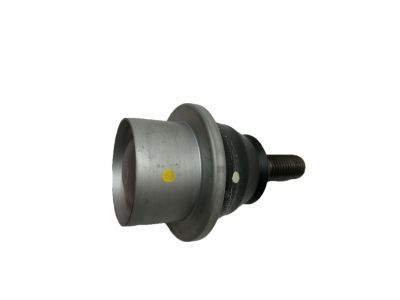
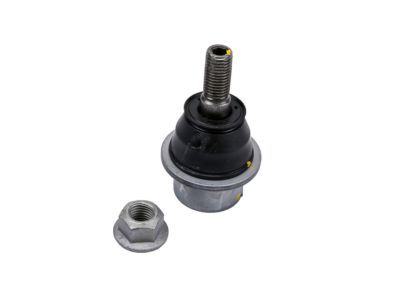
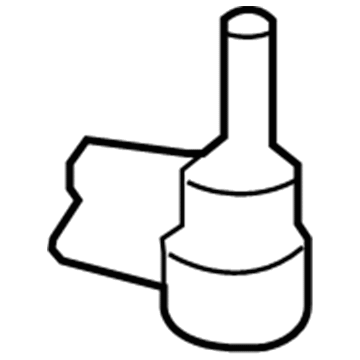
Buick Lower Ball Joint, Front Part Number: 19133670
$58.32 MSRP: $142.29You Save: $83.97 (60%)Ships in 1-2 Business DaysProduct Specifications- Other Name: Stud Kit, Front Lower Control Arm Ball; Suspension Ball Joint; Ball Joint; Stud, Steering Knuckle Lower Control Arm Pivot
- Position: Front Lower
- Replaces: 22157319
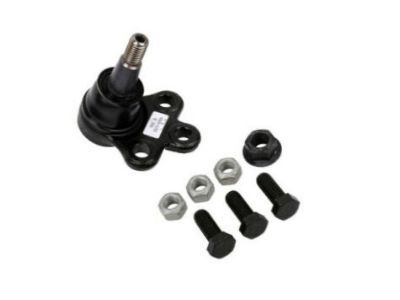
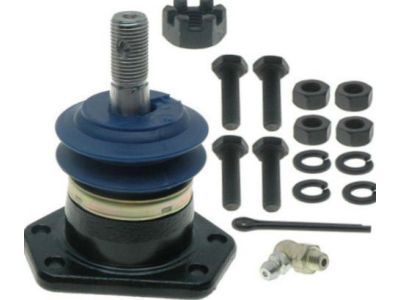
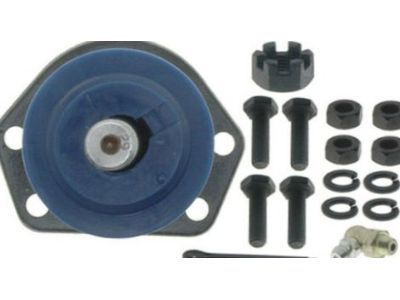
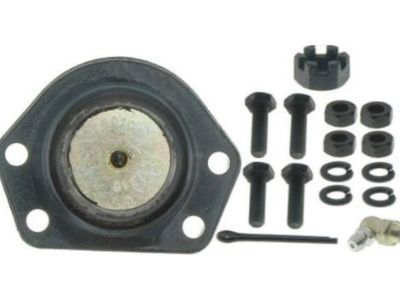
Buick Ball Joint, Front Lower Part Number: 19207521
$89.02 MSRP: $217.21You Save: $128.19 (60%)Ships in 1-2 Business DaysProduct Specifications- Other Name: Stud Kit, Front Lower Control Arm Ball; Suspension Ball Joint
- Position: Front Lower
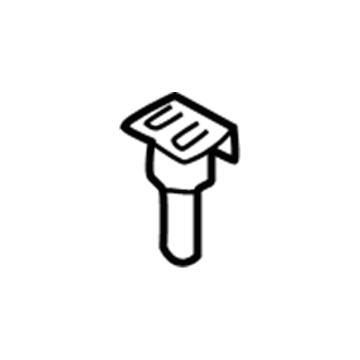
Buick Ball Joint, Front Upper Part Number: 88911387
$35.88 MSRP: $64.07You Save: $28.19 (44%)Ships in 1-3 Business DaysProduct Specifications- Other Name: Joint Kit, Front Upper Control Arm Ball; Suspension Ball Joint
- Position: Front Upper
- Replaced by: 19460397
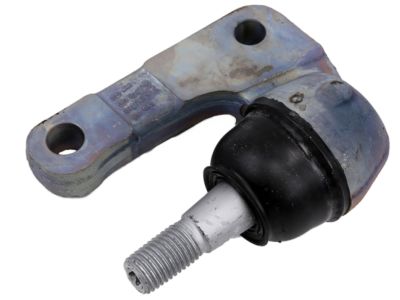
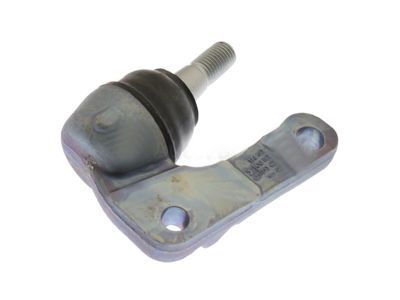
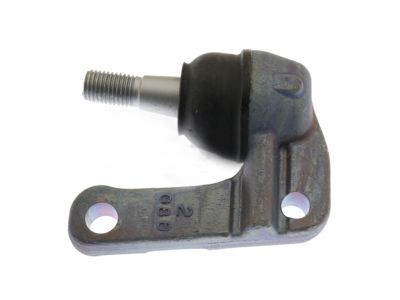
Buick Ball Joints, Upper Part Number: 13258056
$44.60 MSRP: $75.94You Save: $31.34 (42%)Ships in 1-3 Business DaysProduct Specifications- Other Name: Joint, Upper Control Arm Shaft
- Position: Upper
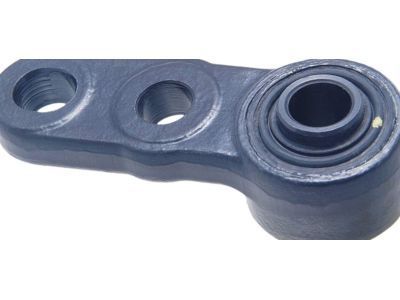
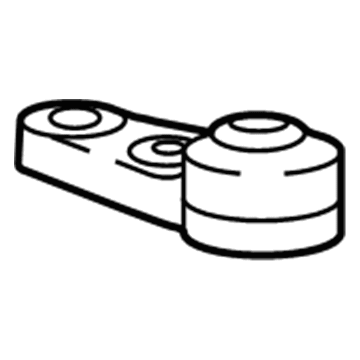
Buick Lower Ball Joint Part Number: 13230777
$107.05 MSRP: $179.09You Save: $72.04 (41%)Ships in 1-2 Business DaysProduct Specifications- Other Name: Bushing, Steering Knuckle King Pinion; Joint, Front Wheel Lower Control Arm
- Position: Lower
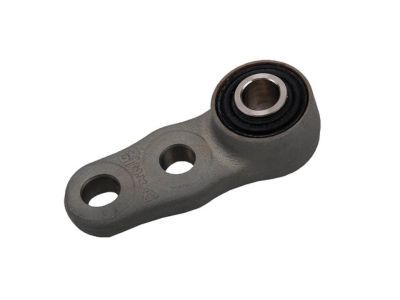
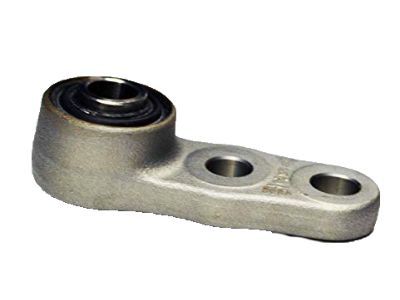
Buick Ball Joints, Front Lower Part Number: 23275106
$120.64 MSRP: $205.39You Save: $84.75 (42%)Ships in 1-2 Business DaysProduct Specifications- Other Name: Joint, Front Wheel Lower Control Arm; Ball Joint; Lower Ball Joint; Knuckle Bushing
- Position: Front Lower
- Replaces: 20998092
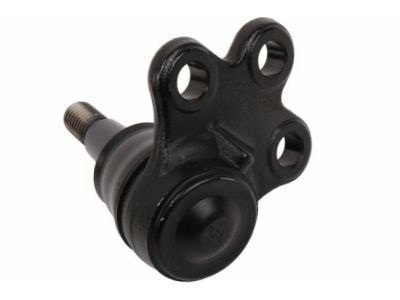
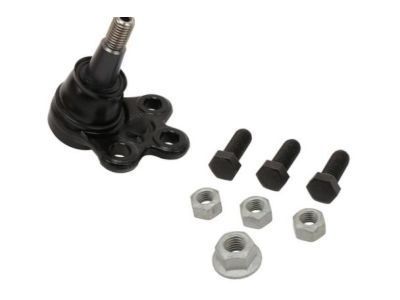
Buick Ball Joint, Front Lower Part Number: 15863690
$47.95 MSRP: $115.99You Save: $68.04 (59%)Ships in 1-2 Business DaysProduct Specifications- Other Name: Stud Kit-Front Lower Control Arm Ball; Suspension Ball Joint
- Position: Front Lower
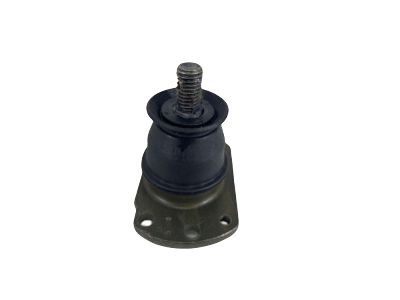
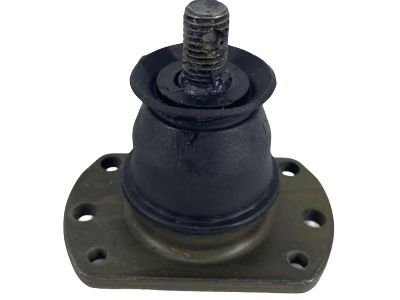
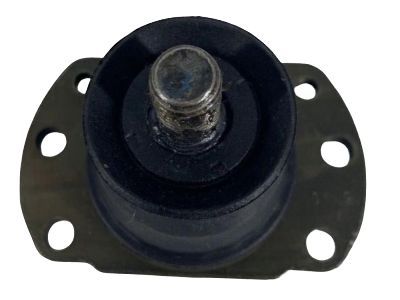
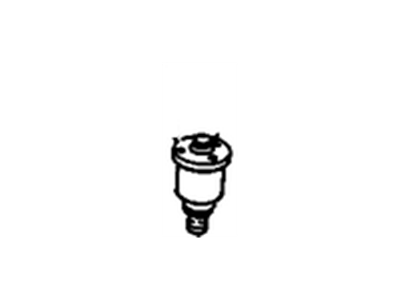
Buick Ball Joint, Front Lower Part Number: 17989117
$44.93 MSRP: $71.33You Save: $26.40 (38%)Ships in 1-3 Business DaysProduct Specifications- Other Name: Stud Kit, Front Lower Control Arm Ball; Suspension Ball Joint
- Position: Front Lower
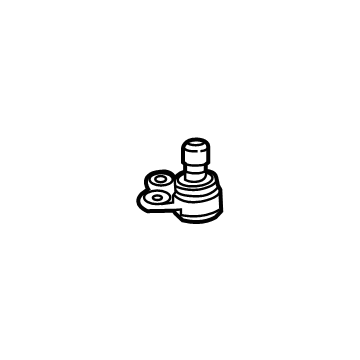
Buick Lower Ball Joint Part Number: 95916024
$54.93 MSRP: $134.04You Save: $79.11 (60%)Ships in 1-2 Business DaysProduct Specifications- Other Name: Stud Kit-Front Lower Control Arm Ball; Suspension Ball Joint; Ball Joint; Stud Kit, Front Wheel Lower Control Arm
- Position: Lower
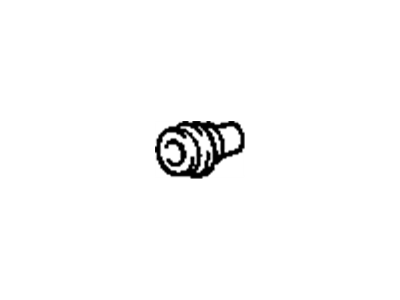
Buick Ball Joint Part Number: 9763761
$32.03 MSRP: $64.31You Save: $32.28 (51%)Product Specifications- Other Name: Ball Joint, Upper Control Arm
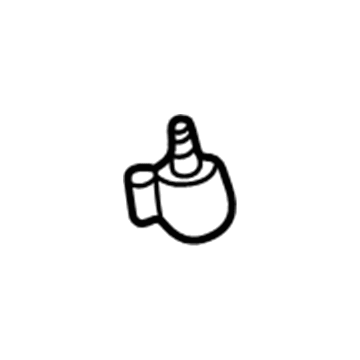
Buick Ball Joint, Front Lower Part Number: 22156472
$40.37 MSRP: $77.00You Save: $36.63 (48%)Ships in 1-2 Business DaysProduct Specifications- Other Name: Stud Assembly, Front Lower Control Arm Ball; Ball Joints; Lower Ball Joint
- Position: Front Lower
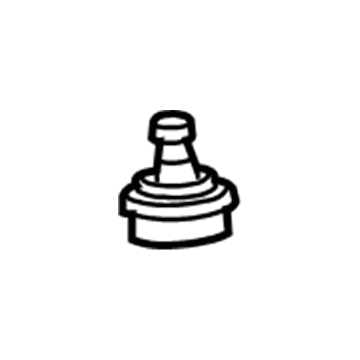
Buick Upper Ball Joint, Front Part Number: 19133638
$89.94 MSRP: $154.47You Save: $64.53 (42%)Ships in 1-2 Business DaysProduct Specifications- Other Name: Stud Kit, Front Upper Control Arm Ball; Suspension Ball Joint; Ball Joint
- Position: Front Upper
- Replaces: 22157320
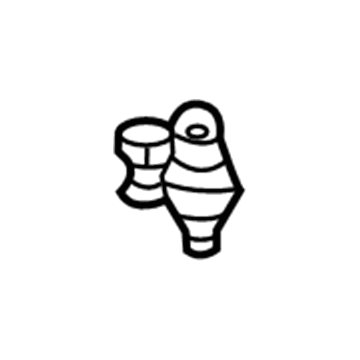
Buick Ball Joint Part Number: 88965333
$48.48 MSRP: $82.54You Save: $34.06 (42%)Ships in 1-2 Business DaysProduct Specifications- Other Name: Stud Kit, Front Lower Control Arm Ball; Suspension Ball Joint
- Replaces: 22157089, 88955451
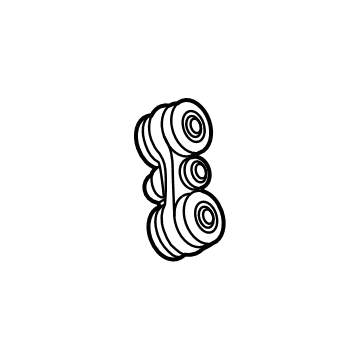
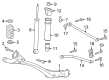
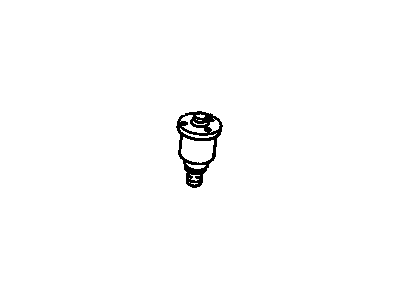
Buick Lower Link Part Number: 42726528
$45.92 MSRP: $75.63You Save: $29.71 (40%)Ships in 1-3 Business DaysProduct Specifications- Other Name: Joint Assembly-Center Pivot Ball; Integral Link; Ball Joint; Joint; Joint, Rear Axle Control Arm
- Position: Passenger Side
Buick Ball Joint, Front Lower Part Number: 17988890
$44.93 MSRP: $71.33You Save: $26.40 (38%)Ships in 1-3 Business DaysProduct Specifications- Other Name: Ball Joint Kit, Front Wheel Lower Control Arm; Suspension Ball Joint; Lower Ball Joint
- Position: Front Lower
Buick Ball Joints Part Number: 9767781
Product Specifications- Other Name: Lower Ball Joint; Suspension Ball Joint; Ball Joint
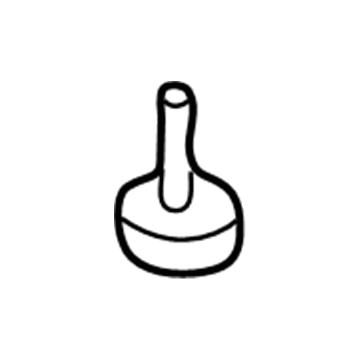
Buick Ball Joint, Front Lower Part Number: 19416895
Product Specifications- Other Name: Stud Kit, Front Lower Control Arm Ball
- Position: Front Lower
- Replaces: 09767281, 19122185, 9767281
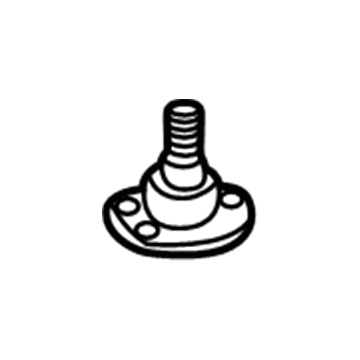
Buick Lower Ball Joint Part Number: 88965475
Product Specifications- Other Name: Stud Kit, Front Lower Control Arm Ball; Suspension Ball Joint; Ball Joint
- Position: Lower
- Replaces: 09766421, 9766421

Buick Ball Joint, Front Lower Part Number: 17983075
Product Specifications- Other Name: Stud Kit, Front Lower Control Arm Ball; Suspension Ball Joint
- Position: Front Lower
Buick Ball Joint, Front Lower Part Number: 17983482
Product Specifications- Other Name: Stud Kit, Front Lower Control Arm Ball; Suspension Ball Joint
- Position: Front Lower
| Page 1 of 2 |Next >
1-20 of 22 Results
Buick Ball Joint
Choose OEM Ball Joint, you're making the optimal decision for superior quality and perfect performance. You can feel confident because each component goes through stringent quality checks. Every part is carefully built to comply with Buick's factory specifications. You'll enjoy a smooth, worry-free installation that fits just right. At ChevyPartsDeal.com, you'll find it easy to get top-quality OEM Buick Ball Joint. You can shop at highly competitive prices and protect your budget. All our genuine Buick parts include a dependable manufacturer's warranty. You'll also appreciate our straightforward return policy and swift delivery services for extra convenience.
Buick Ball Joint maintains the steering crisp, allowing the suspension to pivot easily and preventing sideways slop. In 1903, the brand started to manufacture cars and soon became known to have quiet cabins and a smooth ride. Buick continued to maintain that reputation by combining traditional dependability with new technologies such as QuietTuning, which silences wind noise. Over the decades, it introduced sedans and crossovers that are supposed to be smooth in their handling without desensitizing the driver. There were also concept cars such as the Wildcat EV that began to suggest fearless shapes and an all-electric push. As competitors pursued loud gimmicks, the company relied on time-tested comfort indicators and clean looks. Its automobiles continue to have spacious seats that are comfortable even during long-distance highway driving. An extended history of continuous improvements demonstrates that the company is able to celebrate the past and pursue the future without any drama. The Ball Joint, which is the pivot point of the control arm and steering knuckle, is found in the suspension and allows the wheel to move up and down but keep on course. It is the layout that suits all modern Buicks since it complements both the cushioned ride and the direct response on urban corners or highway sweeps. A steel casing that is forged and a tight rubber boot lock in grease, seal out grit, and combat rust to make the part last mile after mile. The Ball Joint maintains uniform damage and brakes by remaining stuck in bumps with tire tread to provide a consistent grip. It also substituted heavy kingpin fittings of the olden days, which translates to light steering and more precise handling of camber and caster angles.
Buick Ball Joint Parts and Q&A
- Q:How to replace the lower control arm ball joint on Buick Enclave?A:When changing the Ball Joint of the lower Control Arm you must first remove the complete assembly. Secure the lower Control Arm inside a vise for further work. Start the drill using a center punch before drilling or grinding off the rivet's head. You should use a punch with hammer to detach the lower Control Arm rivets prior to separating them from the assembly. Proceed by removing the Ball Joint from your lower Control Arm assembly. During installation keep holding the bolt while tightening the nut to achieve the correct torque value when setting the Ball Joint onto the lower Control Arm. After positioning the Ball Joint mounting hardware secure its nuts and bolts until they reach 68 nm (50 lb ft) scale. When you finish working with the vise remove the complete lower Control Arm assembly then reinstall the entire lower Control Arm unit. All vehicle front end alignments must be checked during this stage of the project.
- Q:How to replace the lower ball joint on Buick Regal?A:Start by removing the lower Control Arm and securing it in the vice before starting the job. Use a tool to cut the ball stud rivets and then hit them out with a drift punch and hammer to dismantle the ball stud from the lower Control Arm. Place the ball stud on the Control Arm then insert the bolts starting with the new ball studs which point downward away from the stud. Secure the new ball stud nuts afterward. The fastener functions as a prevailing torque type but you can reuse it when both parts are rust-free and clean plus the fastener generates 2 n.m (18 lb in) of torque before fixing in place. New fasteners need replacement when these conditions are not met. Insert the lower Control Arm while tightening new ball stud nuts to 68 n.m (50 lb ft) settings.
Related Buick Parts
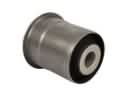 Buick Axle Support Bushings
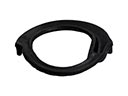 Buick Coil Spring Insulator
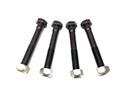 Buick Control Arm Bolt
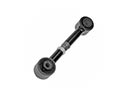 Buick Lateral Link
 Buick Leaf Spring
 Buick Shock Absorber
 Buick Spindle
 Buick Strut Bearing
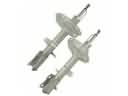 Buick Strut Housing
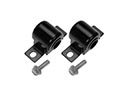 Buick Sway Bar Bushing
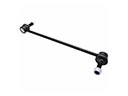 Buick Sway Bar Link
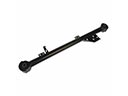 Buick Trailing Arm