ChevyParts
My Garage
My Account
Cart
OEM Saturn Flywheel
Clutch Flywheel- Select Vehicle by Model
- Select Vehicle by VIN
Select Vehicle by Model
orMake
Model
Year
Select Vehicle by VIN
For the most accurate results, select vehicle by your VIN (Vehicle Identification Number).
15 Flywheels found
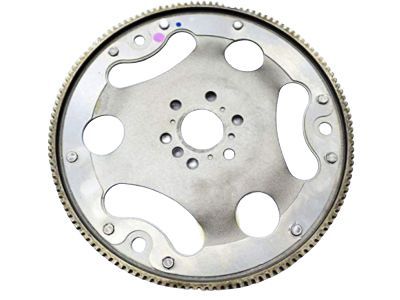
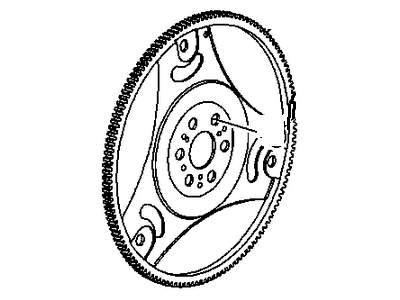
Saturn Drive Plate, Green Line Part Number: 12647333
$131.10 MSRP: $215.96You Save: $84.86 (40%)Ships in 1-3 Business DaysProduct Specifications- Other Name: Plate, Engine Crankshaft; Clutch Kit; Disc
- Replaces: 09126397, 12593689, 9126397
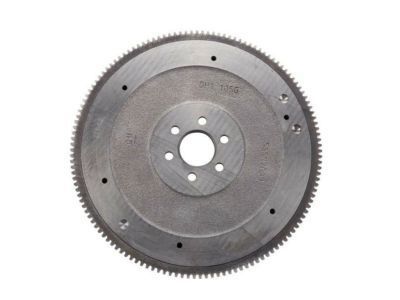
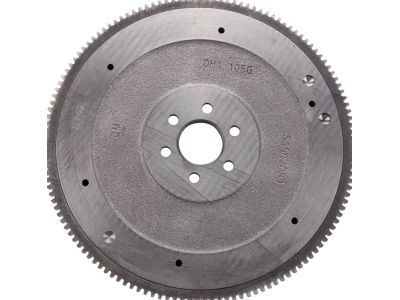
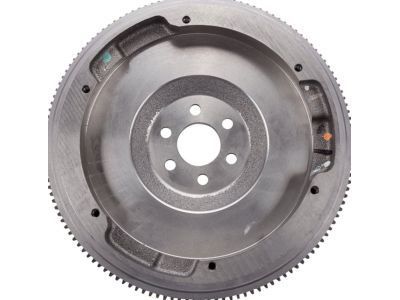
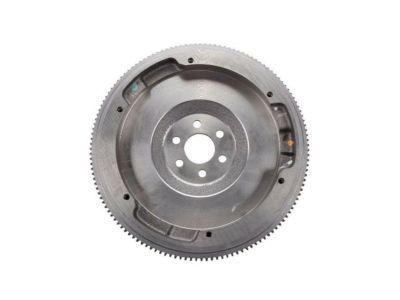
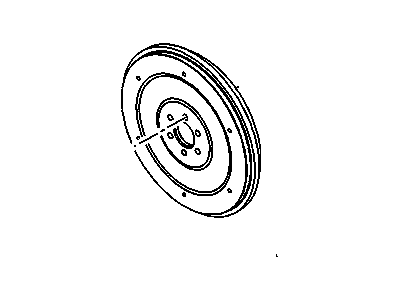
Saturn Flywheel Part Number: 55587031
$96.21 MSRP: $172.63You Save: $76.42 (45%)Ships in 1-3 Business DaysProduct Specifications- Other Name: Flywheel, Engine Crankshaft
- Replaces: 93186460
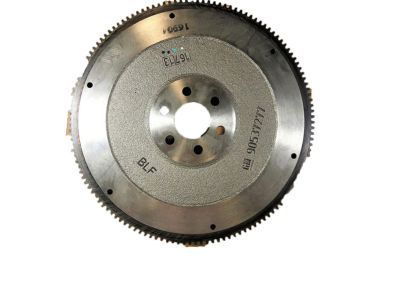
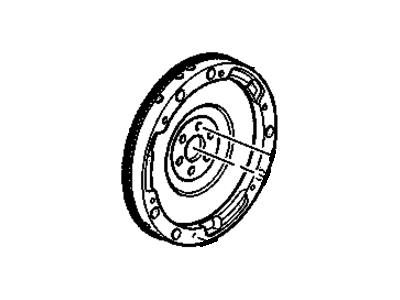
Saturn Flywheel Part Number: 90537283
$121.76 MSRP: $200.60You Save: $78.84 (40%)Ships in 1-3 Business DaysProduct Specifications- Other Name: Flywheel, Engine Crankshaft
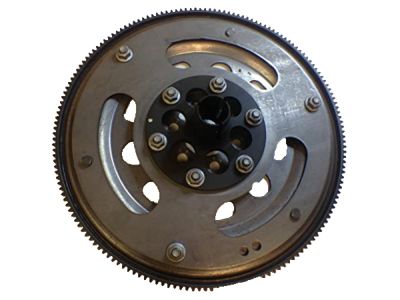
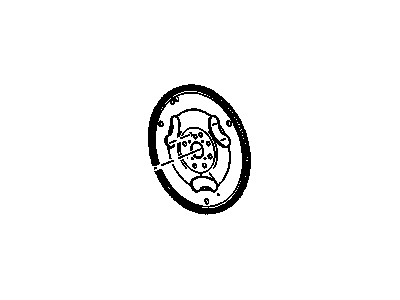
Saturn Drive Plate Part Number: 12597026
$63.55 MSRP: $100.90You Save: $37.35 (38%)Ships in 1-2 Business DaysProduct Specifications- Other Name: Plate, Engine Crankshaft
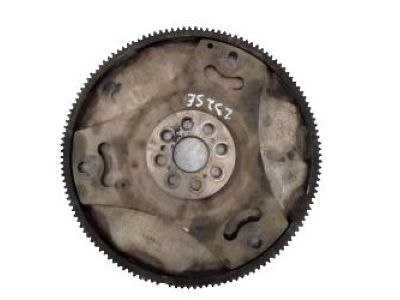
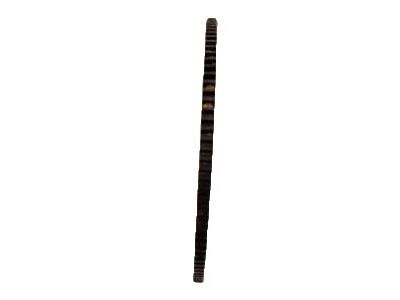
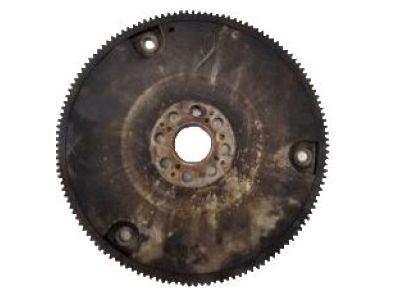
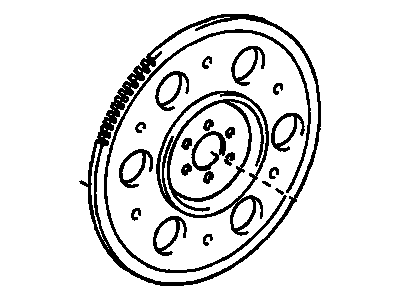
Saturn Drive Plate Part Number: 24410097
$79.33 MSRP: $124.26You Save: $44.93 (37%)Ships in 1-3 Business DaysProduct Specifications- Other Name: Plate, Engine Crankshaft
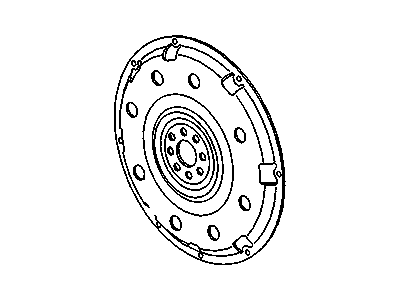
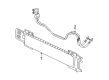
Saturn Drive Plate Part Number: 12581309
$63.13 MSRP: $70.89You Save: $7.76 (11%)Ships in 1-2 Business DaysProduct Specifications- Other Name: Flywheel, Engine Crankshaft

Saturn Drive Plate Part Number: 21003655
$146.63Ships in 1-2 Business DaysProduct Specifications- Other Name: Plate, Automatic Transmission Flexible; Plate, Engine Crankshaft
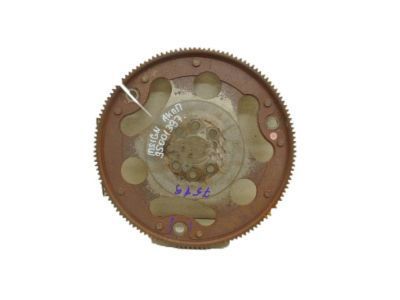
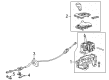
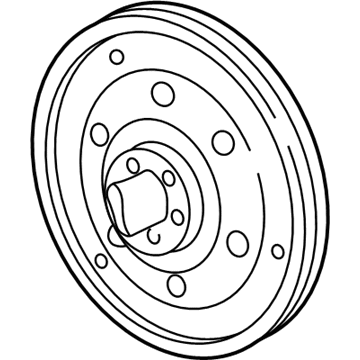
Saturn Drive Plate Part Number: 12589349
$74.46 MSRP: $116.65You Save: $42.19 (37%)Product Specifications- Other Name: Plate, Engine Crankshaft
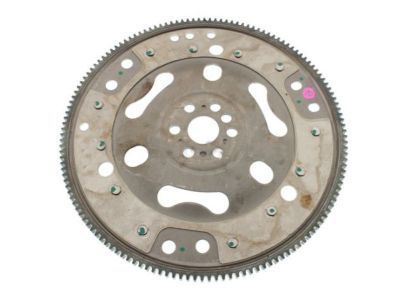
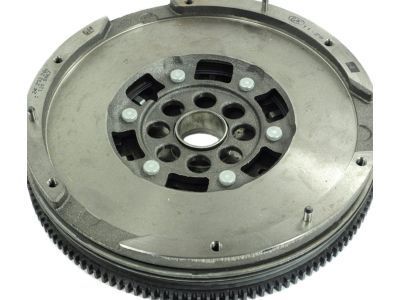
Saturn Drive Plate Part Number: 12579453
$104.78 MSRP: $164.11You Save: $59.33 (37%)Product Specifications- Other Name: Flywheel, Engine Crankshaft; Flywheel; Plate, Engine Crankshaft
- Replaces: 10218513, 24506847, 24576876
Saturn Flywheel Part Number: 24233204
Product Specifications- Other Name: Flywheel, Engine Crankshaft
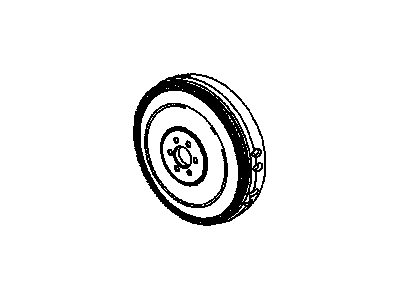
Saturn Flywheel Part Number: 12584343
$444.24 MSRP: $698.99You Save: $254.75 (37%)Product Specifications- Other Name: Flywheel, Engine Crankshaft
Saturn Drive Plate Part Number: 24410095
Product Specifications- Other Name: Plate, Automatic Transmission Flexible; Plate, Engine Crankshaft
Saturn Drive Plate Part Number: 9126346
Product Specifications- Other Name: Plate, Automatic Transmission Flexible; Plate, Engine Crankshaft
Saturn Flywheel Part Number: 21120535
Product Specifications- Other Name: Flywheel, Engine Crankshaft
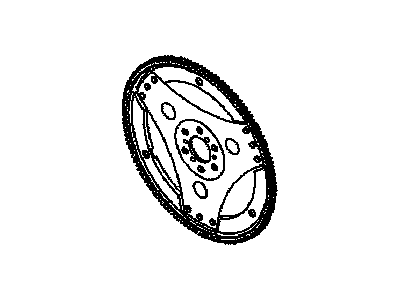
Saturn Disc Part Number: 93189223
Product Specifications- Other Name: Plate, Automatic Transmission Flexible; Clutch Kit; Plate, Engine Crankshaft
Saturn Flywheel
Choose OEM Flywheel, you're making the optimal decision for superior quality and perfect performance. You can feel confident because each component goes through stringent quality checks. Every part is carefully built to comply with Saturn's factory specifications. You'll enjoy a smooth, worry-free installation that fits just right. At ChevyPartsDeal.com, you'll find it easy to get top-quality OEM Saturn Flywheel. You can shop at highly competitive prices and protect your budget. All our genuine Saturn parts include a dependable manufacturer's warranty. You'll also appreciate our straightforward return policy and swift delivery services for extra convenience.
The Saturn Flywheel is a heavy steel component that is mounted to the crankshaft, where spin energy is stored, engine pulses are smoothed, and the crankshaft has a surface that grips the clutch. Buy a Saturn when the panel won't crack when dinged in the grocery cart, the polymer skin won't crunch, sparing paint and humiliating pride over years of parking lots. The body is attached to a galvanized steel spaceframe that is not affected by rust; hence, the structure retains its tightness even after winters are salty. Behind the hood, lost-foam aluminum castings are shaved off, allowing the engine to rev at a faster rate and yielding better fuel results in commute-boring situations. The paint lasts long due to a wet-on-wet process that resists fading; hence, the color remains vivid when classmates ride newer rides. All in all, Saturn reliability maintains low budgets. The steering is responsive and the hood is low, offering a clear view of corners, and thus narrow streets are less stressful. The balanced Flywheel has the effect of boosting that enthusiastic throttle action, with vibrations being kept at lower levels as you maneuver through traffic. To change the new Flywheel, disconnect the battery to ensure nothing sparks, stabilize the subframe, and push the transaxle back until the body of the clutch clears. Mark the crank flange to maintain Saturn timing dots in place, clean everything, and align the Flywheel to the register, aligning dowel holes so that it fits into place. Apply threadlocker to bolts and use a screwdriver to press the ring gear as bolts are manually started and tightened in a star pattern. Final runout on a feeler gauge, attach the pressure plate, center the disc, forcefully seat the gearbox home, reinsert cables, and thoroughly start it.
Related Saturn Parts
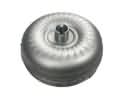 Saturn Torque Converter
 Saturn Clutch Fork
 Saturn Automatic Transmission Filter
 Saturn Automatic Transmission Shift Levers
 Saturn Automatic Transmission Shifter
 Saturn Clutch Disc
 Saturn Clutch Hydraulic Lines
 Saturn Pressure Plate
 Saturn Transmission Assembly
 Saturn Transmission Drain Plug
 Saturn Transmission Gasket
 Saturn Transmission Pan