ChevyParts
My Garage
My Account
Cart
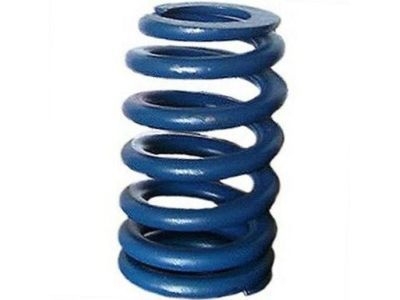
OEM Pontiac Rocker Shaft Spring Kit
Rocker Shaft Spring Set- Select Vehicle by Model
- Select Vehicle by VIN
Select Vehicle by Model
orMake
Model
Year
Select Vehicle by VIN
For the most accurate results, select vehicle by your VIN (Vehicle Identification Number).
40 Rocker Shaft Spring Kits found
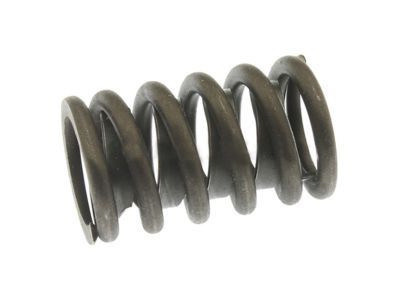
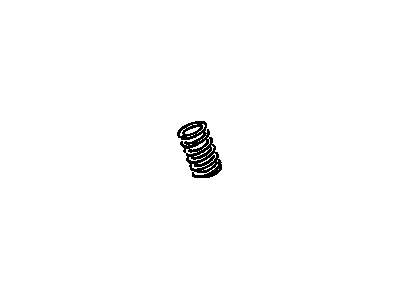
Pontiac Valve Springs Part Number: 3911068
$9.05 MSRP: $14.18You Save: $5.13 (37%)Ships in 1-3 Business DaysProduct Specifications- Other Name: Spring, Valve (W/Dampener); Valve Spring; Spring, Engine Valve
- Replaced by: 94666580
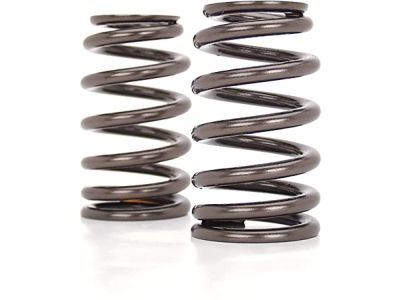
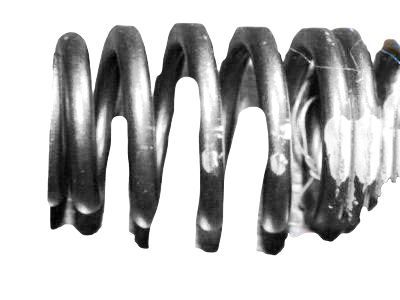
Pontiac Valve Springs Part Number: 12600774
$11.00 MSRP: $11.45You Save: $0.45 (4%)Ships in 1-2 Business DaysProduct Specifications- Other Name: Spring, Engine Valve; Valve Spring
- Replaces: 12595094
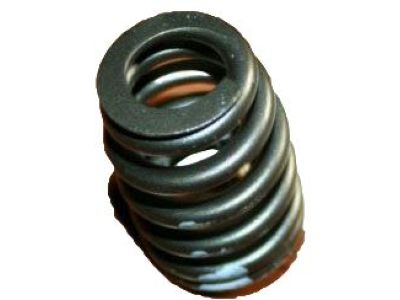
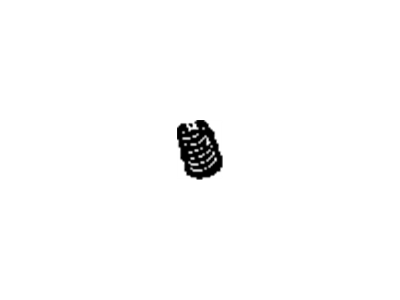
Pontiac Valve Springs Part Number: 10166343
$13.11Product Specifications- Other Name: Spring, Engine Valve; Valve Spring
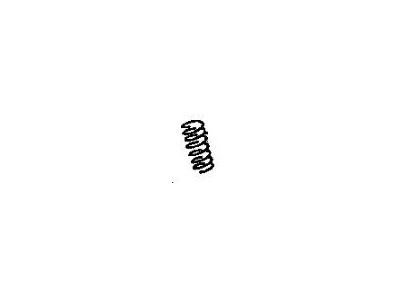
Pontiac Valve Springs Part Number: 88972332
$6.75 MSRP: $10.76You Save: $4.01 (38%)Ships in 1-2 Business DaysProduct Specifications- Other Name: Spring, Valve; Valve Spring; Spring, Engine Valve
Pontiac Valve Springs Part Number: 12565199
$1.68 MSRP: $2.78You Save: $1.10 (40%)Ships in 1-3 Business DaysProduct Specifications- Other Name: Spring, Valve; Valve Spring; Spring, Engine Valve
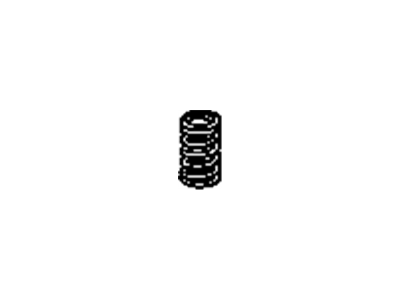
Pontiac Valve Springs, Green Line Part Number: 90537032
$5.17 MSRP: $8.52You Save: $3.35 (40%)Ships in 1-3 Business DaysProduct Specifications- Other Name: Spring, Valve; Valve Spring; Spring, Engine Valve
Pontiac Valve Springs Part Number: 19257200
$9.00 MSRP: $14.82You Save: $5.82 (40%)Ships in 1-3 Business DaysProduct Specifications- Other Name: Spring Kit, Engine Valve; Valve Spring
- Replaces: 12537174
Pontiac Valve Springs Part Number: 90265608
$4.19 MSRP: $6.65You Save: $2.46 (37%)Ships in 1-3 Business DaysProduct Specifications- Other Name: Spring, Engine Valve; Valve Spring
- Replaces: 90180310
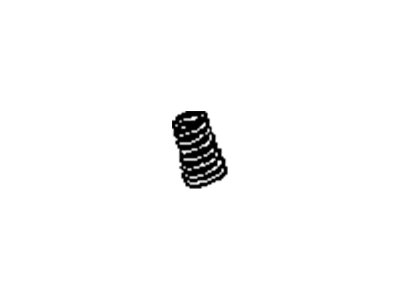
Pontiac Valve Springs Part Number: 55567950
$11.96 MSRP: $18.99You Save: $7.03 (38%)Ships in 1-3 Business DaysProduct Specifications- Other Name: Spring, Valve; Valve Spring; Spring, Engine Valve
- Replaces: 55354287
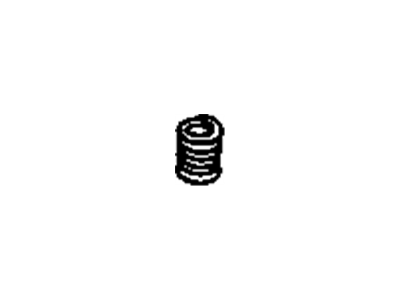
Pontiac Valve Springs Part Number: 3735381
$17.16 MSRP: $26.88You Save: $9.72 (37%)Product Specifications- Other Name: Spring Assembly-Valve; Valve Spring

Pontiac Valve Springs Part Number: 25517605
$13.11 MSRP: $18.75You Save: $5.64 (31%)Product Specifications- Other Name: Valve Spring & Damper Assembly; Spring, Engine Valve; Valve Spring
Pontiac Valve Springs Part Number: 1249267
$13.11 MSRP: $18.75You Save: $5.64 (31%)Product Specifications- Other Name: Spring; Valve Spring; Spring, Engine Valve
Pontiac Valve Springs Part Number: 22548421
$6.75 MSRP: $8.43You Save: $1.68 (20%)Ships in 1-2 Business DaysProduct Specifications- Other Name: Spring, Engine Valve; Valve Spring
Pontiac Valve Springs Part Number: 24574092
$14.46Ships in 1-2 Business DaysProduct Specifications- Other Name: Spring, Engine Valve; Valve Spring
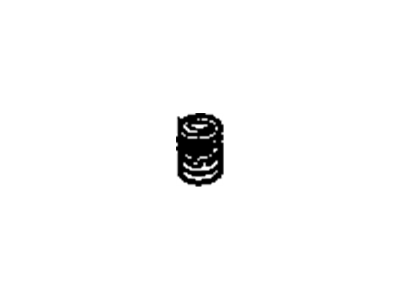
Pontiac Valve Springs Part Number: 10124698
$13.11Product Specifications- Other Name: Spring, Engine Valve; Valve Spring
Pontiac Valve Springs Part Number: 10034268
$13.11Product Specifications- Other Name: Spring, Engine Valve; Valve Spring

Pontiac Valve Springs Part Number: 411226
$13.11Product Specifications- Other Name: Spring-Valve; Valve Spring; Spring, Engine Valve
Pontiac Valve Springs Part Number: 25523695
$13.11Product Specifications- Other Name: Spring, Engine Valve; Valve Spring
Pontiac Valve Springs Part Number: 12599294
Product Specifications- Other Name: Spring, Valve; Valve Spring; Spring, Engine Valve
- Replaces: 12568413
Pontiac Valve Springs Part Number: 10207475
Product Specifications- Other Name: Spring, Engine Valve; Valve Spring
| Page 1 of 2 |Next >
1-20 of 40 Results
Pontiac Rocker Shaft Spring Kit
Choose OEM Rocker Shaft Spring Kit, you're making the optimal decision for superior quality and perfect performance. You can feel confident because each component goes through stringent quality checks. Every part is carefully built to comply with Pontiac's factory specifications. You'll enjoy a smooth, worry-free installation that fits just right. At ChevyPartsDeal.com, you'll find it easy to get top-quality OEM Pontiac Rocker Shaft Spring Kit. You can shop at highly competitive prices and protect your budget. All our genuine Pontiac parts include a dependable manufacturer's warranty. You'll also appreciate our straightforward return policy and swift delivery services for extra convenience.
Pontiac Rocker Shaft Spring Kit maintains constant valve pressure, prevents float and safeguards engines. Since its introduction in 1926, Pontiac had cut a reputation of broad stance road grip and punchy styling. The marque also exaggerated long hood short deck ratios that were screaming speed at a red light. Drivers adored the manner the dashboards tilted to meet them and each gauge was a part of the action. Brash schemes of color and roaring exhausts turned even the commute into mini uprisings. The handling remained acute with chassis engineers working on expanding the width of the track while maintaining a balance between front and rear weight. Through decades of the Firebirds, Grand Ams and dozens of no-frills sedans, the badge had represented economically thrilling fun without pretense. Pontiac continued to advance the cabin technology to make both teenagers and parents feel in control. Rocker Shaft Spring Kit reinstates that fast throbbing heartbeat as mileage and age start to drain valve control. It prevents wobble of the misfire that can burn power at high rpm by locking consistent seat and open pressures. Long highway pulls remain smooth due to tight lash stays that remain tight even when parts are heated by the cycle. Rocker Shaft Spring Kit fits without any customized tools and fits over existing stock shafts with no modifications of cam profiles. Rocker Shaft Spring Kit also provides tuners with room to grind with even more heat because the lift stability is not compromised. This little assembly is the direct solution to Pontiac owners who seek the lively throttle response.
Pontiac Rocker Shaft Spring Kit Parts and Q&A
- Q:Can broken Rocker Shaft Spring Kit and Valve Stem Oil Seal be replaced without removing the cylinder heads in 3.8L V6 engine on Pontiac Grand Prix?A:One can replace the broken valve springs and faulty valve stem seals without having to remove the cylinder heads but it is advisable that one read the instructions keenly and also ensure he or she has all the tools that may be required in the job. In the absence of compressed air, it is possible to wrap a nylon rope around the valves in order to prevent them from falling into the cylinder. Starting with the rocker arm cover on the cylinder head concerned, and if all the valve stem seals are being changed then both covers should be removed. Subsequently, extract the spark plug of the cylinder containing the impaired component, while in case of replacing all seals, take out all spark plugs. The thing one can do is to turn the crankshaft until the piston in the concerned cylinder is at the Top Dead Center on the Compression stroke and then proceed through fire order number one, two and so on. Insert an adapter with a hole in it into the spark plug hole and attach an air hose which is connected with a compressed air. Take out the bolt, pivot and rocker arm of the valve with the faulty part and then pulling out the pushrod. Use compressed air on the cylinder to secure the shutdown of the valves; if the faces or seats of the valves are worn, there is always a leakage. If compressed air is unavailable, place the piston just prior to TDC on the compression stroke, insert a length of nylon rope through the spark plug hole and then turn the crankshaft until one just feels a resistance. The use of shop rags can be used to eliminate the chances of having parts falling into the engine from the top of the valve stem and the usage of the valve spring compressor to compress the spring and removing the keepers. If air pressure cannot retain the valve closed then the valve face or seat will be damaged and the removal of the cylinder head is required for repair. Coil a rubber band or a tape at the top of the valve stem to allow it not to fall inside the combustion chamber and then deflate the air pressure. Check the valve stem for wear, it has to slide in the guide without sticking. Atmospheric pressure is reapplied to hold the valve in the close position, lubricate the stem of the valve with the clean oil from the engine, and put on a valve guide seal which is new. Place the keepers at the upper groove of the spring retainer followed by the valve spring retainer and tightening it, use grease at this point to hold the keepers when fitting the spring above the valve. Shut off the airflow and take out the adapter from the spark plug hole and then replace the rocker arm(s) and the pushrod(s) and finally the spark plug(s) and the wires if any. Last, place the rocker arm cover(s), turn the engine on and look for oil dripping and any strange sounds originating from the rocker arm cover place.
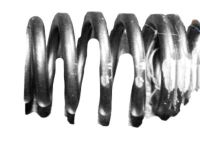
Related Pontiac Parts
 Pontiac Camshaft
 Pontiac Crankshaft Pulley
 Pontiac Harmonic Balancer
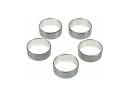 Pontiac Camshaft Bearing
 Pontiac Camshaft Seal
 Pontiac Crankshaft Seal
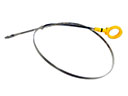 Pontiac Dipstick
 Pontiac Engine Mount Bracket
 Pontiac Engine Mount Torque Strut
 Pontiac Rocker Arm
 Pontiac Timing Chain Guide
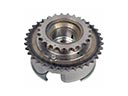 Pontiac Variable Timing Sprocket