ChevyParts
My Garage
My Account
Cart
OEM Pontiac Clutch Fork
Release Fork- Select Vehicle by Model
- Select Vehicle by VIN
Select Vehicle by Model
orMake
Model
Year
Select Vehicle by VIN
For the most accurate results, select vehicle by your VIN (Vehicle Identification Number).
21 Clutch Forks found
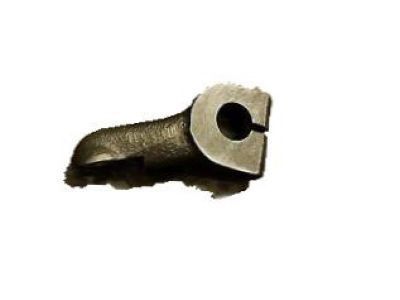
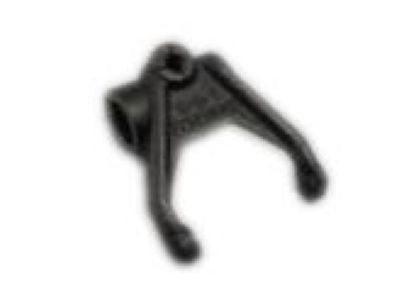
Pontiac Release Fork Part Number: 23047094
$22.52 MSRP: $66.59You Save: $44.07 (67%)Ships in 1-2 Business DaysProduct Specifications- Other Name: Lever, Engine Clutch Release; Clutch Fork
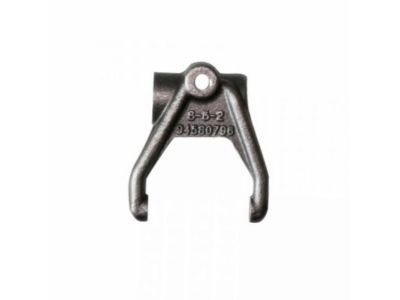
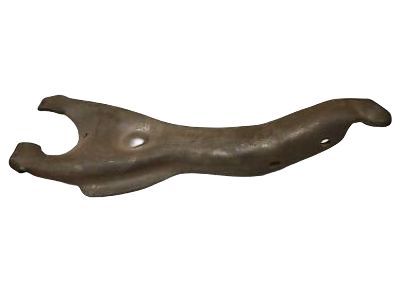
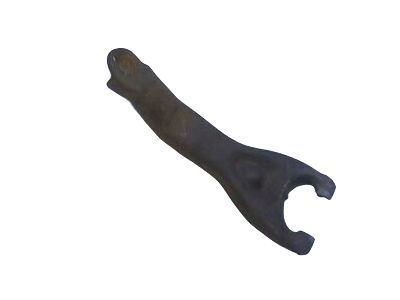
Pontiac Release Fork Part Number: 94580796
$17.00 MSRP: $27.99You Save: $10.99 (40%)Ships in 1-2 Business DaysProduct Specifications- Other Name: Fork, Engine Clutch Release; Clutch Fork
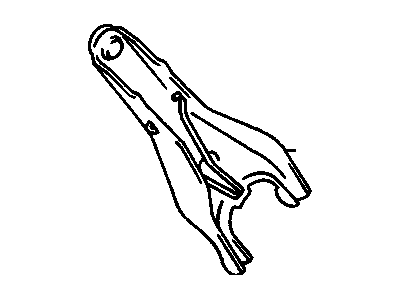
Pontiac Release Fork Part Number: 94854548
Product Specifications- Other Name: Fork, Engine Clutch Release; Clutch Fork; Fork
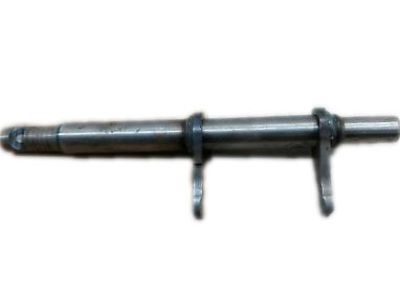
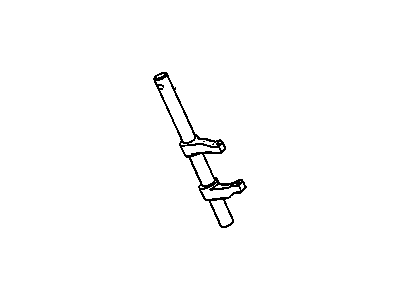
Pontiac Release Fork Part Number: 8672510
Product Specifications- Other Name: Shaft, Clutch Fork; Shaft, Engine Clutch Release; Clutch Fork
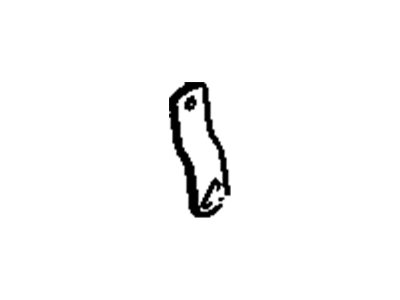
Pontiac Release Fork Part Number: 14080232
Product Specifications- Other Name: Lever-Clutch Fork; Lever, Engine Clutch Control; Clutch Fork
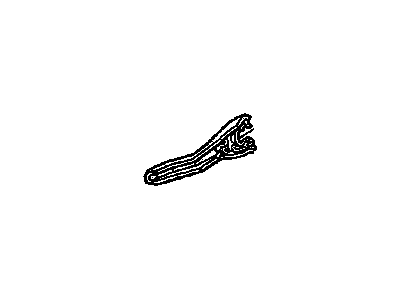
Pontiac Release Fork Part Number: 14075718
Product Specifications- Other Name: Fork, Engine Clutch Release; Clutch Fork

Pontiac Release Fork Part Number: 90112323
Product Specifications- Other Name: Fork, Engine Clutch Release; Clutch Fork
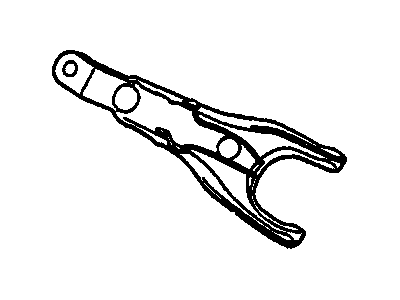
Pontiac Release Fork Part Number: 88975036
Product Specifications- Other Name: Fork, Engine Clutch Release; Clutch Fork
Pontiac Release Fork Part Number: 88975266
Product Specifications- Other Name: Fork, Engine Clutch Release; Clutch Fork
Pontiac Release Fork Part Number: 14038692
Product Specifications- Other Name: Fork, Engine Clutch Release; Clutch Fork
Pontiac Release Fork Part Number: 10192223
Product Specifications- Other Name: Fork, Engine Clutch Release; Clutch Fork
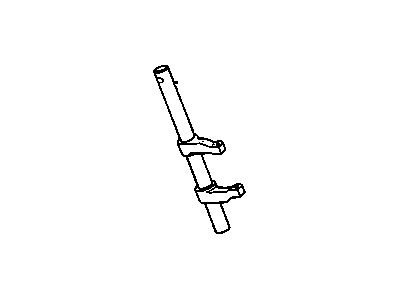
Pontiac Release Fork Part Number: 94315475
Product Specifications- Other Name: Shaft, Engine Clutch Release; Clutch Fork
Pontiac Release Fork Part Number: 14105737
Product Specifications- Other Name: Lever, Engine Clutch Control; Clutch Fork
Pontiac Release Fork Part Number: 14075725
Product Specifications- Other Name: Fork, Engine Clutch Release; Clutch Fork
Pontiac Release Fork Part Number: 94472220
Product Specifications- Other Name: Shaft; Clutch Fork; Shaft, Engine Clutch Release
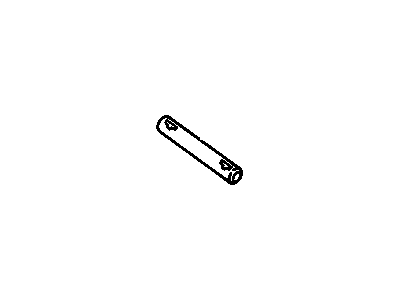
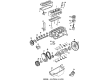
Pontiac Release Fork Part Number: 97032056
Product Specifications- Other Name: Shaft, Engine Clutch Release; Clutch Fork
Pontiac Release Fork Part Number: 12523312
Product Specifications- Other Name: Fork, Engine Clutch Release; Clutch Fork
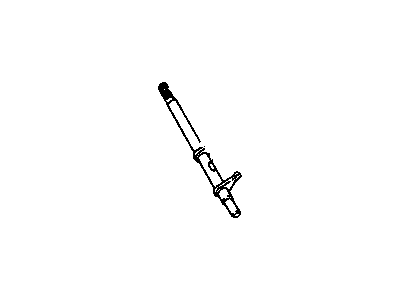
Pontiac Release Fork Part Number: 8672937
Product Specifications- Other Name: Shaft, Clutch Fork; Shaft, Engine Clutch Release; Clutch Fork
Pontiac Release Fork Part Number: 14024930
Product Specifications- Other Name: Shaft, Engine Clutch Release; Clutch Fork
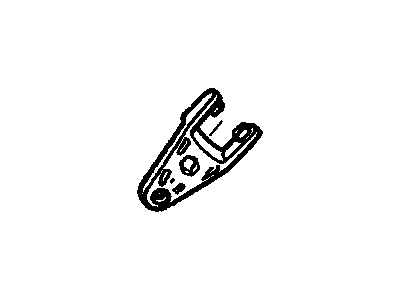
Pontiac Release Fork Part Number: 10111525
Product Specifications- Other Name: Fork, Engine Clutch Release; Clutch Fork
| Page 1 of 2 |Next >
1-20 of 21 Results
Pontiac Clutch Fork
Choose OEM Clutch Fork, you're making the optimal decision for superior quality and perfect performance. You can feel confident because each component goes through stringent quality checks. Every part is carefully built to comply with Pontiac's factory specifications. You'll enjoy a smooth, worry-free installation that fits just right. At ChevyPartsDeal.com, you'll find it easy to get top-quality OEM Pontiac Clutch Fork. You can shop at highly competitive prices and protect your budget. All our genuine Pontiac parts include a dependable manufacturer's warranty. You'll also appreciate our straightforward return policy and swift delivery services for extra convenience.
Pontiac Clutch Fork is a hard steel lever located in the bellhousing that changes the force of the pedal into the travel of the release bearing so you can move through gears easily. Pontiac earned its reputation for being stable on Wide-Tracks, and thus the chassis is planted in the corners, and it does not roll around, which inspires the driver when driving fast. The power is squirted through the enthusiastic engines that are fond of revving, and the steering provides immediate feedback that makes you feel the pavement. The interior design is all designed to meet the pilot with gauges high on the board and controls easily accessible and supportive seats to ensure you are braced when the cam hits the deck. The exterior lines do not show off; air flows over the nose and the spoiler to stabilize the car and ensure the tires are biting. Pontiac is not an exception as it matches strong driveshafts with lightweight panels, which produces a snappy power-to-weight ratio that rewards throttle action with instant acceleration. First, remove the battery cable on your Pontiac to avoid sparks. Put stands under the car and unbolt the transmission and slide it back to reveal the bellhousing. Pop out the worn Clutch Fork, wipe the pivot ball with high-temperature grease. Install the release bearing to the new Clutch Fork, sit the fork on the pivot, and ensure it swings freely. Slide the clutch disc forward, push the gearbox forward, and slide the input shaft through, in the process recentering the bearing with this third Clutch Fork. Reconnect hydraulics, get any air out, test pedal slack, and then start the engine.
Related Pontiac Parts
 Pontiac Flywheel
 Pontiac Pilot Bearing
 Pontiac Torque Converter
 Pontiac Clutch Cable
 Pontiac Clutch Disc
 Pontiac Clutch Master Cylinder
 Pontiac Clutch Master Repair Kit
 Pontiac Clutch Release Bearing
 Pontiac Flywheel Ring Gear
 Pontiac Pressure Plate
 Pontiac Shift Interlock Solenoid
 Pontiac Transmission Assembly