ChevyParts
My Garage
My Account
Cart
OEM GMC Fuel Line Clamps
Fuel Tank Filler Clamp- Select Vehicle by Model
- Select Vehicle by VIN
Select Vehicle by Model
orMake
Model
Year
Select Vehicle by VIN
For the most accurate results, select vehicle by your VIN (Vehicle Identification Number).
5 Fuel Line Clamps found
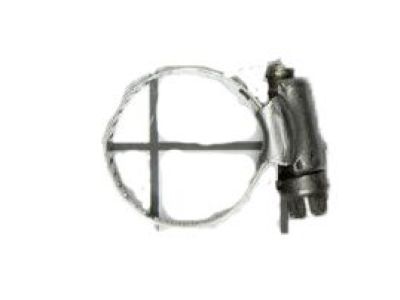
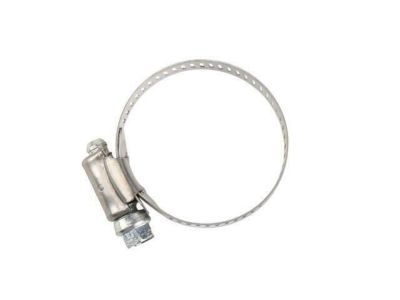
GMC Hose Clamp Part Number: 11609970
$3.67 MSRP: $5.77You Save: $2.10 (37%)Ships in 1-2 Business DaysProduct Specifications- Other Name: Clamp Assembly-Type F Worm Gear
- Replaces: 15620999
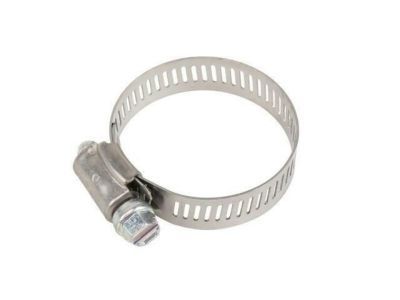
GMC Hose Clamp Part Number: 11610236
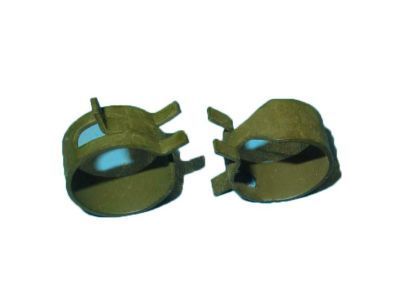
$5.98 MSRP: $9.36You Save: $3.38 (37%)Ships in 1-3 Business DaysProduct Specifications- Other Name: Clamp, Early Fuel Evaporation; Fuel Hose Clamps; Fuel Line Clamps
- Replaces: 11087142, 11610235, 11561908, 10417433, 1470030, 22537533, 25711370
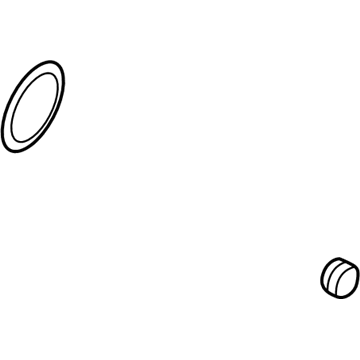
GMC Hose Clamp Part Number: 3786276
$4.50 MSRP: $7.05You Save: $2.55 (37%)Ships in 1-3 Business DaysProduct Specifications- Other Name: Clamp-Crankcase Vent Hose
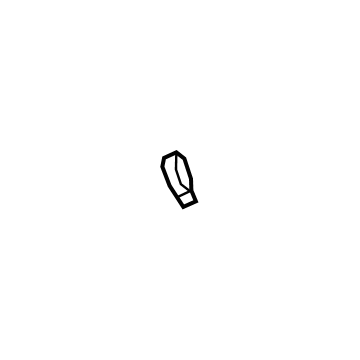
GMC Clamp, Fuel Tank Filler Part Number: 26459487
$5.98 MSRP: $8.91You Save: $2.93 (33%)Ships in 1-2 Business DaysProduct Specifications- Other Name: Clamp-Fuel Tank Filler Hose
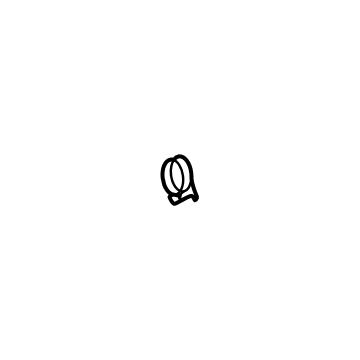
GMC Clamp-Fuel Tank Filler Hose Part Number: 26478021
$10.65 MSRP: $15.84You Save: $5.19 (33%)Ships in 1-2 Business DaysProduct Specifications- Other Name: CLAMP-F/TNK FIL HOSE
GMC Fuel Line Clamps
Choose OEM Fuel Line Clamps, you're making the optimal decision for superior quality and perfect performance. You can feel confident because each component goes through stringent quality checks. Every part is carefully built to comply with GMC's factory specifications. You'll enjoy a smooth, worry-free installation that fits just right. At ChevyPartsDeal.com, you'll find it easy to get top-quality OEM GMC Fuel Line Clamps. You can shop at highly competitive prices and protect your budget. All our genuine GMC parts include a dependable manufacturer's warranty. You'll also appreciate our straightforward return policy and swift delivery services for extra convenience.
GMC Fuel Line Clamps secure the rubber hose to the metal fuel line firmly such that even when the engine vibrates and the pressure increases the hose does not leak. In 1901, GMC started to manufacture trucks, and the company has been known since then to have rugged frames, mighty engines and accurate towing parts. The drivers like the robust steel chassis that allows it to carry heavy loads without bending, the insulated cabins that reduce wind noise during long journeys, and technological features such as surround vision and hitch guidance, which give them an added confidence during parking or aligning a trailer. MultiPro tailgate has six positions, folds in service, and stops, which makes accessing the bed easy to bring a work gear or camping coolers. The hard factory tests of heat, cold, and rough roads are applied to guarantee that every model is reliable mile after mile and therefore the owners have confidence in their car to start, pull, and keep their family or cargo safe. To install the new Fuel Line Clamps, start by venting the fuel system via the service port then take a look at hoses and see whether they are cracked or not, and change the ones that appear brittle. Insert the clamp into the hose and then insert the hose on the barbed fitting pushing it until it makes contact with the fitting shoulder. Install the clamp behind the barb and tighten the screw in small steps, and the hose can no longer be turned by hand. Wipe up any spilled fuel and start the engine and observe drips. Once the initial drive is done, re-tighten slightly to consider heat cycles.
Related GMC Parts
 GMC Idler Arm
 GMC Power Steering Cooler
 GMC Rack And Pinion
 GMC Steering Angle Sensor
 GMC Steering Column Cover
 GMC Center Link
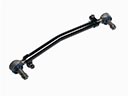 GMC Drag Link
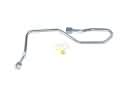 GMC Power Steering Hose
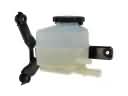 GMC Power Steering Reservoir
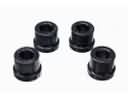 GMC Rack & Pinion Bushing
 GMC Radius Heat Shield
 GMC Upper Steering Column Bearing