ChevyParts
My Garage
My Account
Cart
OEM GMC Exhaust Manifold Gasket
Manifold Gasket- Select Vehicle by Model
- Select Vehicle by VIN
Select Vehicle by Model
orMake
Model
Year
Select Vehicle by VIN
For the most accurate results, select vehicle by your VIN (Vehicle Identification Number).
30 Exhaust Manifold Gaskets found
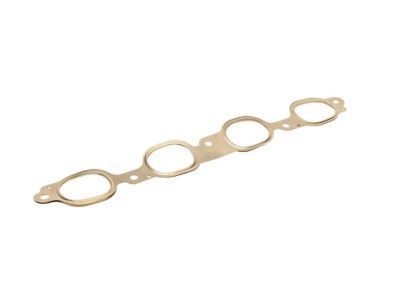

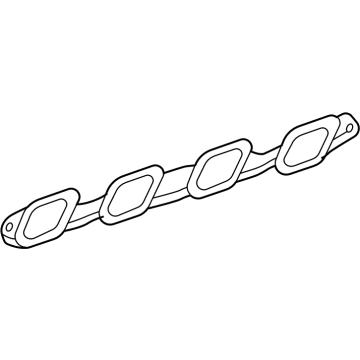
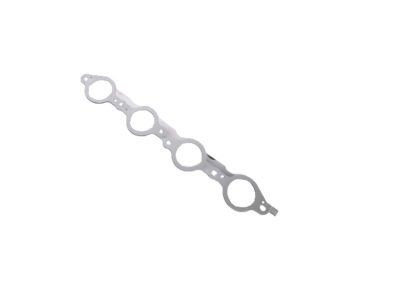
GMC Exhaust Manifold Gasket Part Number: 12657093
$4.17 MSRP: $5.72You Save: $1.55 (28%)Product Specifications- Other Name: Gasket, Manifold To Cylinder Head; Manifold Gasket
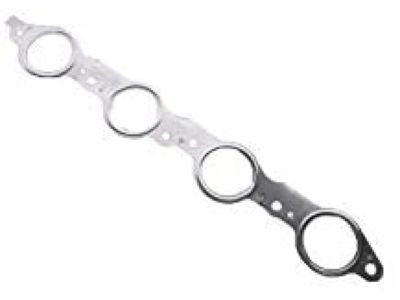
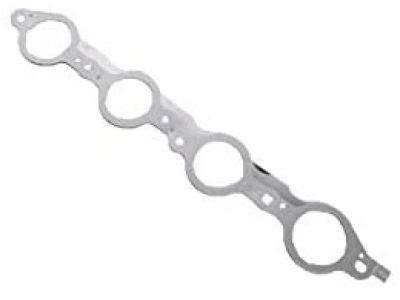
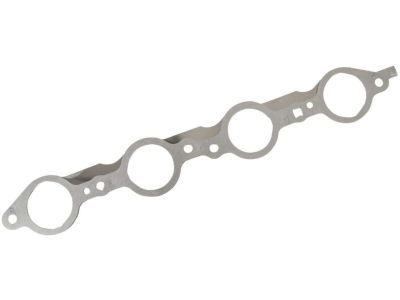
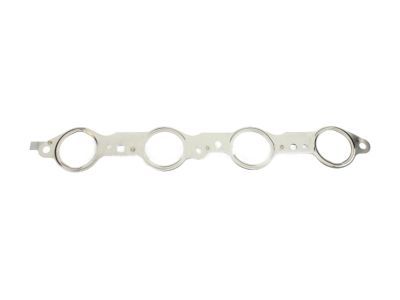
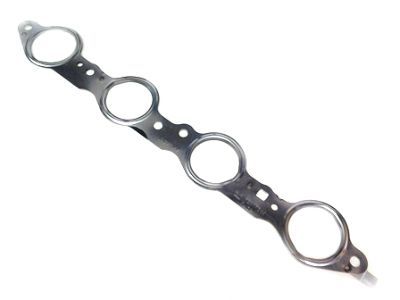
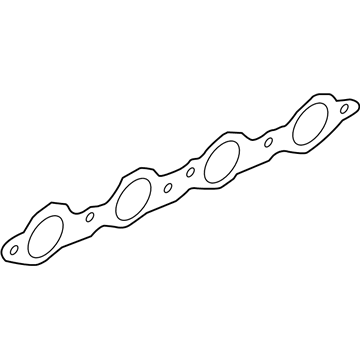
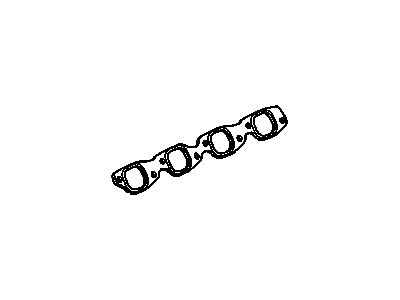
GMC Exhaust Manifold Gasket Part Number: 12617944
$19.16 MSRP: $41.00You Save: $21.84 (54%)Product Specifications- Other Name: Gasket, Manifold To Cylinder Head; Manifold Gasket
- Replaces: 12558573, 12600530
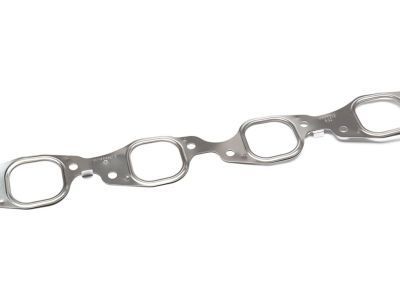
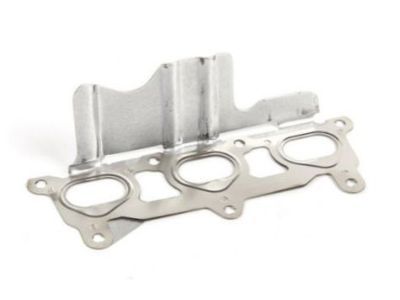
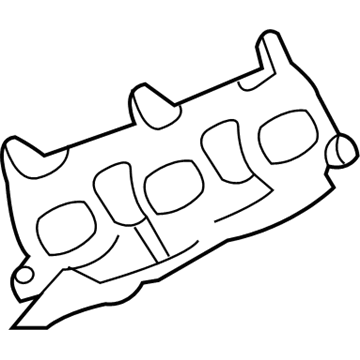
GMC Manifold Gasket Part Number: 12558275
$40.80 MSRP: $73.19You Save: $32.39 (45%)Ships in 1-2 Business DaysProduct Specifications- Other Name: Gasket, Manifold To Cylinder Head; Exhaust Manifold Gasket; Intake Manifold Gasket
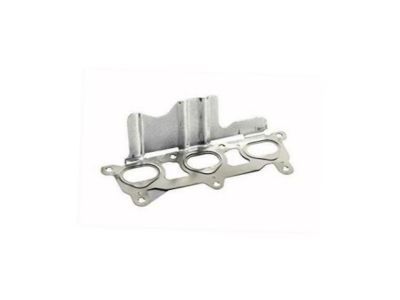
GMC Exhaust Manifold Gasket Part Number: 12593921
$43.06 MSRP: $80.46You Save: $37.40 (47%)Ships in 1-2 Business DaysProduct Specifications- Other Name: Gasket, Manifold To Cylinder Head; Manifold Gasket
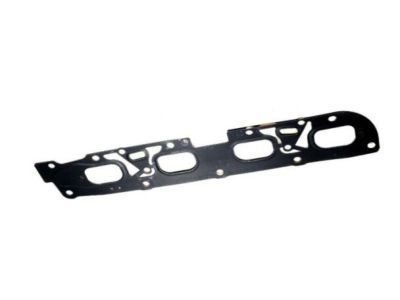
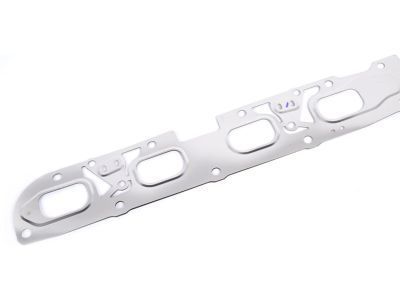
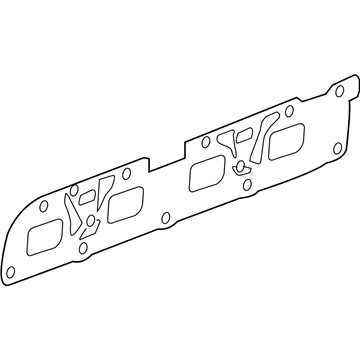
GMC Exhaust Manifold Gasket Part Number: 12646199
$10.77 MSRP: $17.73You Save: $6.96 (40%)Ships in 1-3 Business DaysProduct Specifications- Other Name: Gasket, Manifold To Cylinder Head; Manifold Gasket
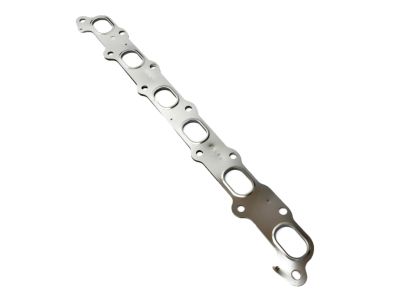
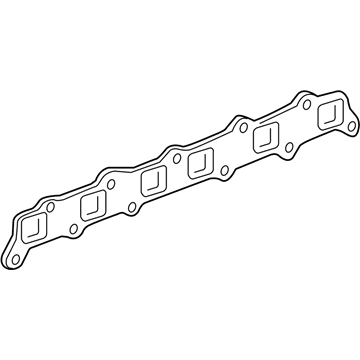
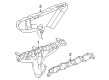
GMC Manifold Gasket Part Number: 88890561
$11.43 MSRP: $18.84You Save: $7.41 (40%)Ships in 1-3 Business DaysProduct Specifications- Other Name: Gasket Kit, Exhaust Manifold; Exhaust Manifold Gasket; Gasket Kit, Manifold To Cylinder Head
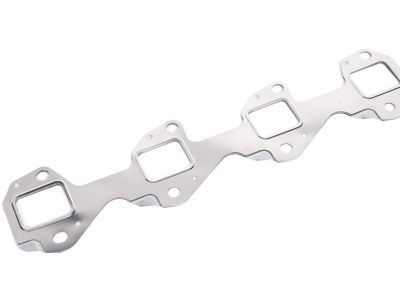
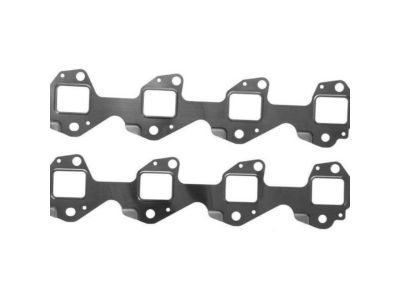
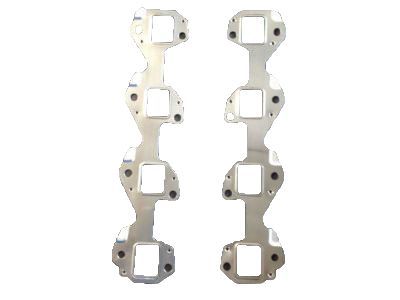
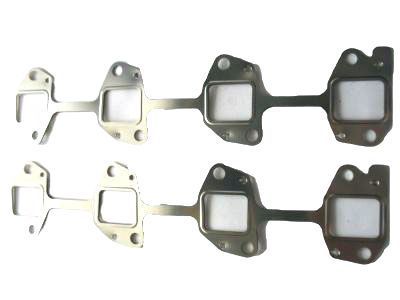
GMC Exhaust Manifold Gasket Part Number: 98002804
$41.35 MSRP: $68.13You Save: $26.78 (40%)Ships in 1-2 Business DaysProduct Specifications- Other Name: Gasket, Manifold To Cylinder Head; Manifold Gasket
- Replaces: 97328660, 97188684
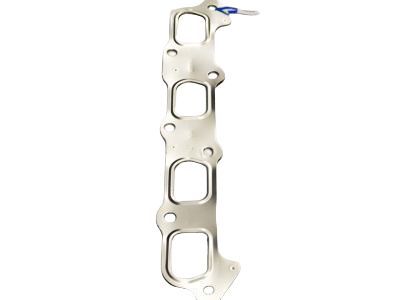
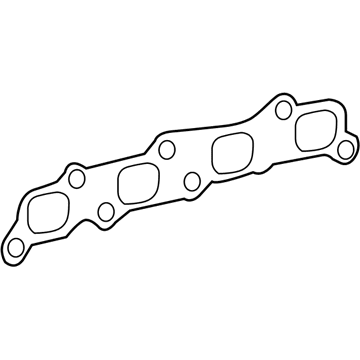
GMC Exhaust Manifold Gasket Part Number: 12579774
$10.71 MSRP: $17.65You Save: $6.94 (40%)Ships in 1-3 Business DaysProduct Specifications- Other Name: Gasket, Manifold To Cylinder Head; Manifold Gasket
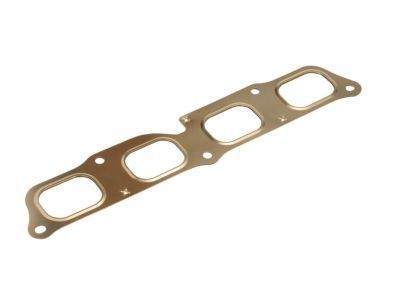
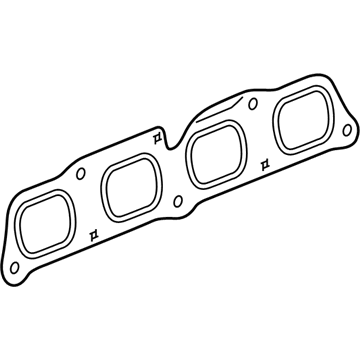
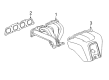
GMC Exhaust Manifold Gasket Part Number: 12627072
$7.00 MSRP: $10.98You Save: $3.98 (37%)Ships in 1-2 Business DaysProduct Specifications- Other Name: Gasket, Manifold To Cylinder Head; Manifold Gasket
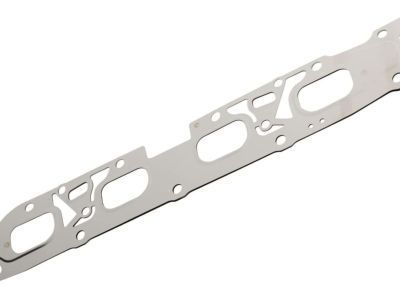
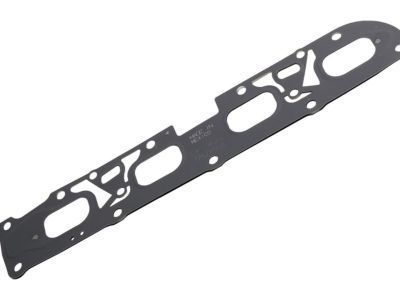
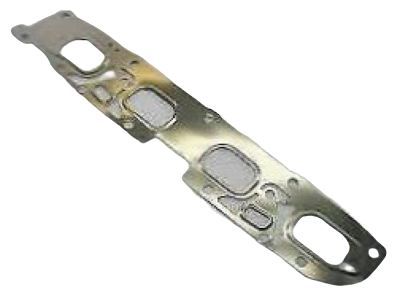
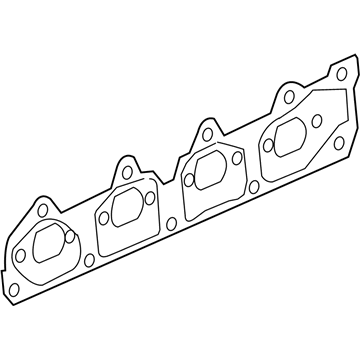
GMC Exhaust Manifold Gasket Part Number: 12622668
$10.93 MSRP: $17.12You Save: $6.19 (37%)Ships in 1-3 Business DaysProduct Specifications- Other Name: Gasket, Manifold To Cylinder Head; Intake Manifold Gasket; Manifold Gasket
- Replaces: 12612737, 12599787
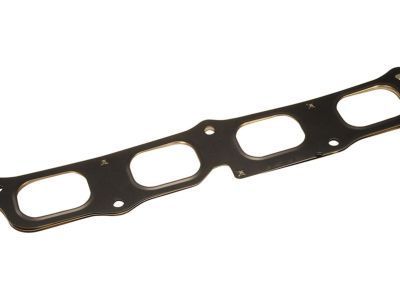
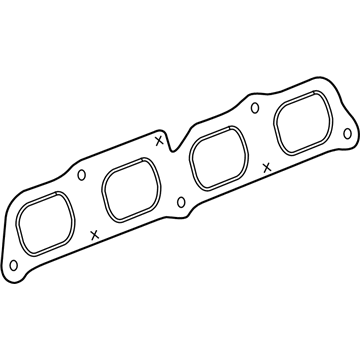
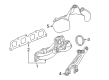
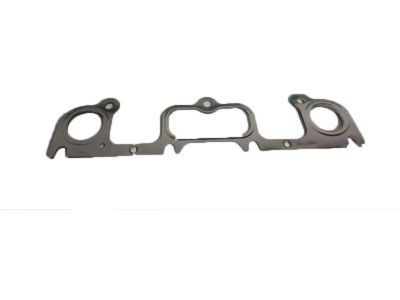
GMC Exhaust Manifold Gasket Part Number: 12657167
$11.20 MSRP: $17.53You Save: $6.33 (37%)Ships in 1-3 Business DaysProduct Specifications- Other Name: Gasket, Manifold To Cylinder Head; Manifold Gasket
- Replaces: 12640365
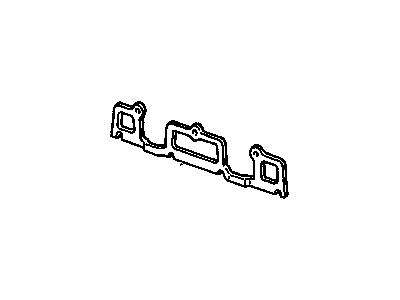
GMC Manifold Gasket Part Number: 10101360
$19.30 MSRP: $30.23You Save: $10.93 (37%)Ships in 1-3 Business DaysProduct Specifications- Other Name: Gasket, Manifold To Cylinder Head; Exhaust Manifold Gasket; Intake Manifold Gasket; Gasket, Intake To Exhaust Manifold
- Replaces: 10066630
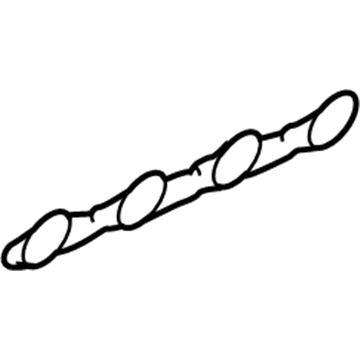
GMC Exhaust Manifold Gasket Part Number: 89017812
$47.61 MSRP: $88.99You Save: $41.38 (47%)Product Specifications- Other Name: Gasket Kit, Exhaust Manifold
- Replaces: 12529193
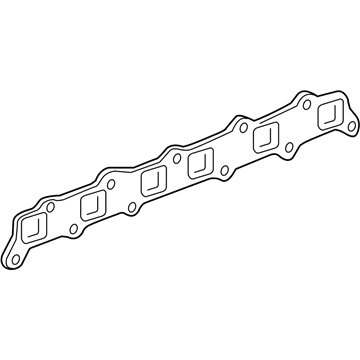
GMC Manifold Gasket Part Number: 12595010
$9.43 MSRP: $15.56You Save: $6.13 (40%)Ships in 1-3 Business DaysProduct Specifications- Other Name: Gasket, Manifold To Cylinder Head; Exhaust Manifold Gasket
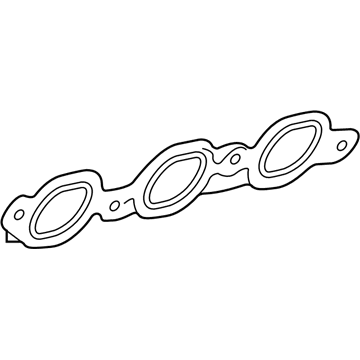
GMC Exhaust Manifold Gasket Part Number: 12657094
$16.08 MSRP: $26.50You Save: $10.42 (40%)Ships in 1-2 Business DaysProduct Specifications- Other Name: Gasket, Manifold To Cylinder Head; Manifold Gasket
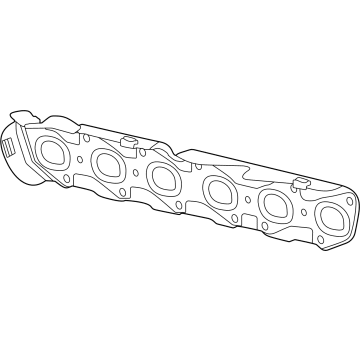
GMC Exhaust Manifold Gasket Part Number: 55507833
$14.17 MSRP: $22.48You Save: $8.31 (37%)Product Specifications- Other Name: Gasket, Manifold To Cylinder Head; Exhaust Seal Ring; Manifold Gasket; Heat Shield Gasket
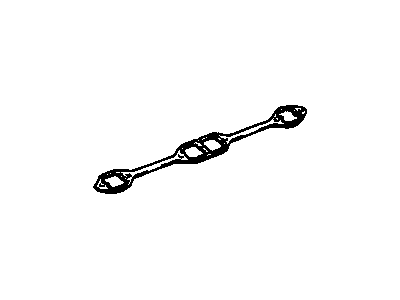
GMC Manifold Gasket Part Number: 12550033
$28.73 MSRP: $47.33You Save: $18.60 (40%)Ships in 1-2 Business DaysProduct Specifications- Other Name: Gasket, Manifold To Cylinder Head; Exhaust Manifold Gasket; Gasket, Intake To Exhaust Manifold
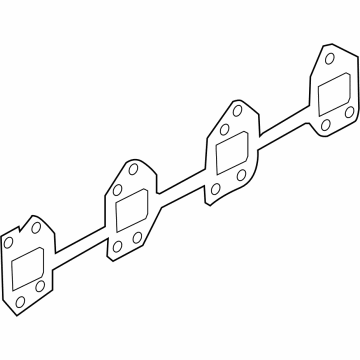
GMC Exhaust Manifold Gasket Part Number: 12705094
$30.48 MSRP: $50.21You Save: $19.73 (40%)Ships in 1-3 Business DaysProduct Specifications- Other Name: Gasket Assembly-Exhaust Manifold; Exhaust Seal Ring; Manifold Gasket; Gasket, Manifold To Cylinder Head
- Replaces: 12676148
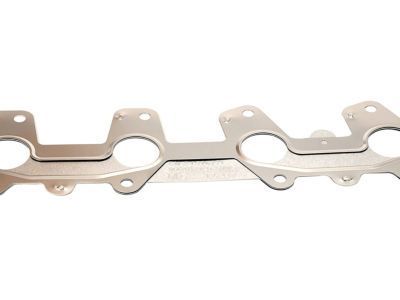
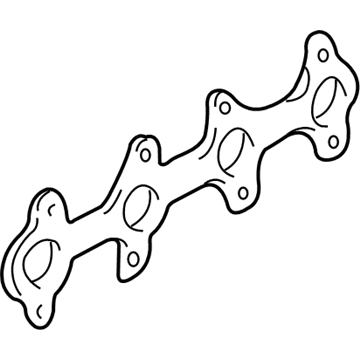
GMC Manifold Gasket Part Number: 24576771
Product Specifications- Other Name: Gasket, Manifold To Cylinder Head; Exhaust Manifold Gasket; Gasket
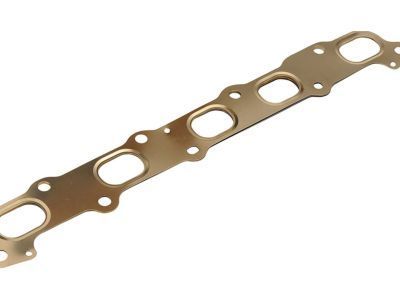
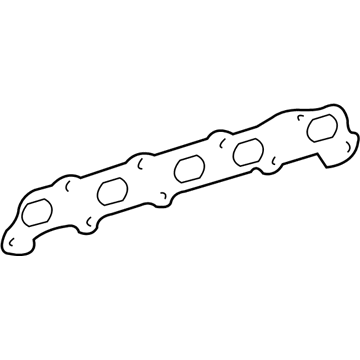
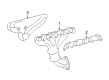
GMC Exhaust Manifold Gasket Part Number: 12592248
Product Specifications- Other Name: Gasket, Manifold To Cylinder Head; Manifold Gasket
- Replaces: 12567694
| Page 1 of 2 |Next >
1-20 of 30 Results
GMC Exhaust Manifold Gasket
Choose OEM Exhaust Manifold Gasket, you're making the optimal decision for superior quality and perfect performance. You can feel confident because each component goes through stringent quality checks. Every part is carefully built to comply with GMC's factory specifications. You'll enjoy a smooth, worry-free installation that fits just right. At ChevyPartsDeal.com, you'll find it easy to get top-quality OEM GMC Exhaust Manifold Gasket. You can shop at highly competitive prices and protect your budget. All our genuine GMC parts include a dependable manufacturer's warranty. You'll also appreciate our straightforward return policy and swift delivery services for extra convenience.
The GMC Exhaust Manifold Gasket has the job of sealing the difference between the cylinder head and the exhaust manifold, which in turn traps the hot gases hence making the engine to run smoothly and efficiently. The brainchild of a family that goes back to 1901, GMC manufactures pickup trucks and SUVs based on boxed steel body frames, muscular powertrains, and commercial-grade suspensions that are indifferent to mass, but do not affect the ride quality. Surround vision cameras, hitch guidance, and a multi-flexible tailgate can assist drivers to tow, park, and reach the bed with ease and a thorough test will enhance long-term reliability as owners have confidence in their vehicles whether they need them at their job sites or when they are out on the weekends. Within, extensive insulation and elegant materials are applied to form a peaceful cabin that allows music and discussions to shine and that toughness and such comfort can co-exist. When you have to install the second necessary Exhaust Manifold Gasket, remember to work upon it after the engine has cooled down to the full extent, and then to take heat shields and bolts out in a crisscrossing fashion to avoid warping. Lift the manifold right off, wiped both mating surfaces until both are shiny metal and made sure that the new gasket is installed on the studs in the correct orientation. Install all connexions by hand, ensuring that they are tight, and then tighten them to the required torque in the same cross sequence. Replacement of shields, re-attaching sensor and pipes, engine start, and careful attention to any hissing, which should be an indication of a leak.
Related GMC Parts
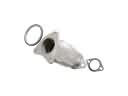 GMC Catalytic Converter
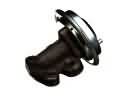 GMC EGR Valve
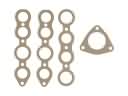 GMC Exhaust Manifold
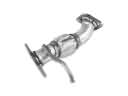 GMC Exhaust Pipe
 GMC Catalytic Converter Gasket
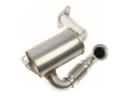 GMC EGR Filter
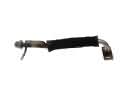 GMC EGR Tube
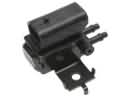 GMC EGR Vacuum Solenoid
 GMC Exhaust Heat Shield
 GMC Exhaust Resonator
 GMC Tail Pipe
 GMC Vapor Canister
Browse GMC Exhaust Manifold Gasket by Models
Acadia Sierra 1500 Yukon Canyon Sierra 2500 HD Terrain Envoy Sonoma Envoy XL Envoy XUV Jimmy S15 S15 Jimmy Safari Savana 2500 Savana 3500 Sierra 3500 Yukon XL Acadia Limited Savana 1500 Yukon XL 1500 Sierra 1500 Classic Sierra 1500 Limited Sierra 2500 HD Classic Sierra 3500 Classic Sierra 3500 HD Yukon XL 2500