ChevyParts
My Garage
My Account
Cart
OEM Chevrolet Prizm Flywheel
Clutch Flywheel- Select Vehicle by Model
- Select Vehicle by VIN
Select Vehicle by Model
orMake
Model
Year
Select Vehicle by VIN
For the most accurate results, select vehicle by your VIN (Vehicle Identification Number).
2 Flywheels found
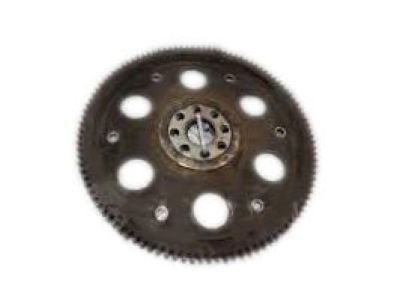
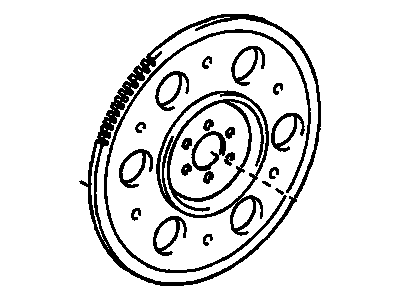
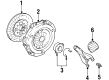
Chevrolet Prizm Pressure Plate Part Number: 88972974
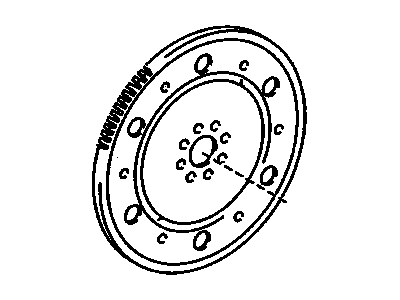
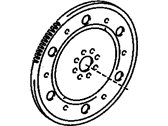
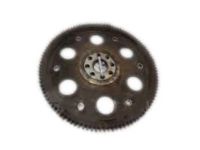
Chevrolet Prizm Flywheel Part Number: 88975895
Chevrolet Prizm Flywheel
Want to cut long-term maintenance and repair costs? Choose OEM Flywheel. Those parts deliver top durability you can trust. On our site, you'll find a huge catalog of genuine Chevrolet Prizm parts. Prices are unbeatable, so you can keep more in your pocket. Every OEM Chevrolet Prizm Flywheel includes a manufacturer's warranty. You can also get an easy return policy that keeps buying risk free. Fast delivery, get your car on the road quickly. It's simple to search, compare, and order. Stop guessing about quality or fit. Order today and save with parts that last.
Chevrolet Prizm Flywheel Parts and Q&A
- Q:How to Service and Repair a Flywheel on Chevrolet Prizm?A:Disconnection of the negative Battery Cable should be the first step to service and repair the Flywheel. The service demands removal of transaxle assembly in both manual and automatic transmission setups. Operators of automobiles with manual transmissions should detach the clutch and Pressure Plate. Begin by taking off the Flywheel from the Crankshaft while removing its eight retaining bolts. Apply suitable solvent to eliminate surface grease and dirt from the Crankshaft flange. The installation process starts by mounting the Flywheel onto the Crankshaft but you must avoid applying too much sealant to the Flywheel retaining bolt threads. Use gm p/n 12345493 or its equivalent product to treat the Flywheel retaining bolts' threads. Install the automatic transmission Flywheel retaining bolts (1-8) according to this sequence while tightening them to 83 nm (61 ft. Lbs.). To install the Flywheel retaining bolts on manual transmission vehicles follow a sequence of tightening the first set to 49 nm (36 ft. Lbs.) and then complete the installation by using j 36660-a torque angle meter (J 36660-A) to reach an additional 90 degrees of torque. Reinstall the manual transmission clutch together with the Pressure Plate after installation. To finish the repair you need to reinstall the transaxle assembly according to requirements before reconnecting the negative Battery Cable while torquing the Battery Cable bolt to 15 nm (11 ft. Lbs.).
- Q:How to replace the engine flywheel on Chevrolet Prizm?A:A proper replacement of the engine Flywheel begins by disconnecting the negative Battery Cable. The mechanic should start by removing both the transaxle assembly and then proceed to uninstall the clutch and Pressure Plate in vehicles featuring manual transmissions. Start by taking off the eight retaining bolts from the Flywheel before you can free the wheel from the Crankshaft position. Wipe all grease and dirt from the Crankshaft flange outer surface with a proper solvent. When installing the Flywheel onto the Crankshaft avoid using an excessive amount of sealant on the Flywheel retaining bolt threads because extra substance could lead to bolt loosening during operation. Use gm p/n 12345493 or an equivalent product by applying it to the Flywheel retaining bolt threads. The Crankshaft will receive the installation of Flywheel retaining bolts (1-8) for automatic transmission vehicles until they reach 83 nm (61 ft. Lbs.) torque finally. Manual transmission vehicles require installation of Flywheel retaining bolts that should be tightened to 49 nm (36 ft. Lbs.) following which j36660-a torque angle meter (J36660-A) must be used for an additional 90-degree bolt tightening. Reinstall both clutch and Pressure Plate and proceed to install the transaxle assembly when possible. The Battery Cable negative connection needs to be reconnected before tightening the Battery Cable bolt to 15 nm (11 ft. Lbs.).
Related Chevrolet Prizm Parts
 Chevrolet Prizm Automatic Transmission Filter
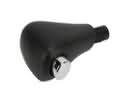 Chevrolet Prizm Automatic Transmission Shift Levers
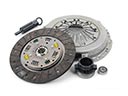 Chevrolet Prizm Clutch Disc
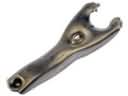 Chevrolet Prizm Clutch Fork
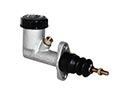 Chevrolet Prizm Clutch Master Cylinder
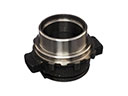 Chevrolet Prizm Clutch Release Bearing
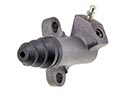 Chevrolet Prizm Clutch Slave Cylinder
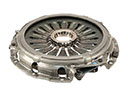 Chevrolet Prizm Pressure Plate
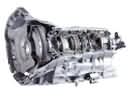 Chevrolet Prizm Transmission Assembly
 Chevrolet Prizm Transmission Drain Plug
 Chevrolet Prizm Transmission Gasket
 Chevrolet Prizm Transmission Pan