ChevyParts
My Garage
My Account
Cart
OEM Chevrolet Fuel Line Clamps
Fuel Tank Filler Clamp- Select Vehicle by Model
- Select Vehicle by VIN
Select Vehicle by Model
orMake
Model
Year
Select Vehicle by VIN
For the most accurate results, select vehicle by your VIN (Vehicle Identification Number).
12 Fuel Line Clamps found
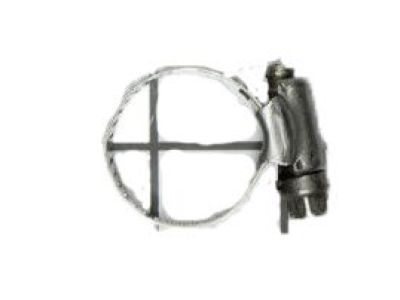

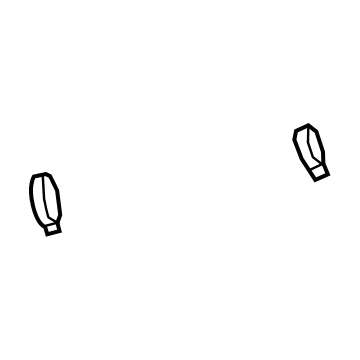
Chevrolet Hose Clamp Part Number: 11609970
$3.67 MSRP: $5.77You Save: $2.10 (37%)Ships in 1-2 Business DaysProduct Specifications- Other Name: Clamp Assembly-Type F Worm Gear
- Replaces: 15620999
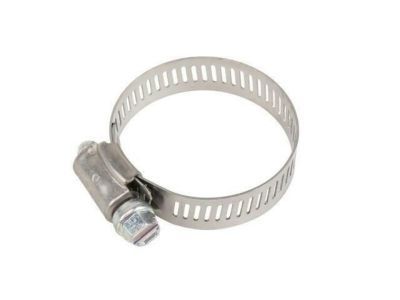
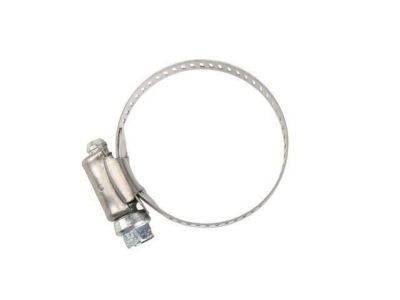
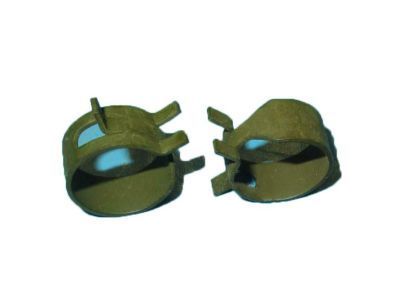
Chevrolet Hose Clamp Part Number: 11610236
$5.98 MSRP: $9.02You Save: $3.04 (34%)Ships in 1-3 Business DaysProduct Specifications- Other Name: Clamp, Early Fuel Evaporation; Fuel Hose Clamps; Fuel Line Clamps
- Replaces: 11087142, 11610235, 11561908, 10417433, 1470030, 22537533, 25711370
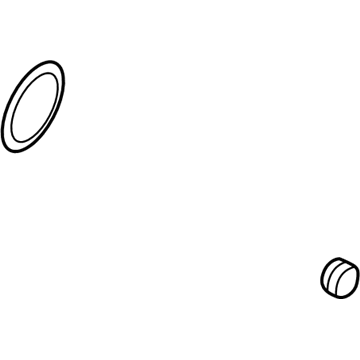
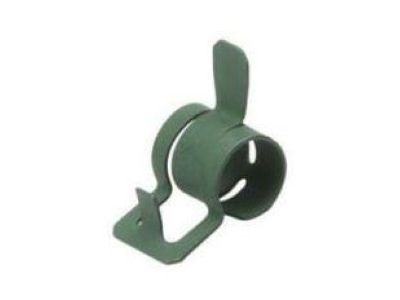
Chevrolet Hose Clamp Part Number: 3786276
$4.50 MSRP: $7.05You Save: $2.55 (37%)Ships in 1-3 Business DaysProduct Specifications- Other Name: Clamp-Crankcase Vent Hose
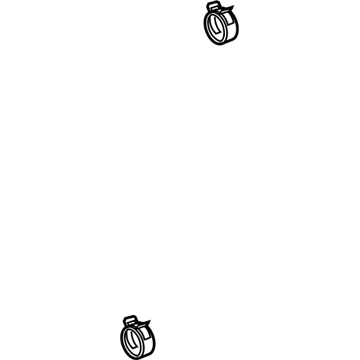
Chevrolet Vent Hose Clamp Part Number: 11516215
$6.75Ships in 1-2 Business DaysProduct Specifications- Other Name: Clamp, Fuel Line

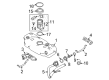
Chevrolet Filler Pipe Clamp Part Number: 96554015
$12.99 MSRP: $29.75You Save: $16.76 (57%)Product Specifications- Other Name: Clamp, Fuel Tank Filler Pipe; Fuel Hose Clamps; Fuel Line Clamps
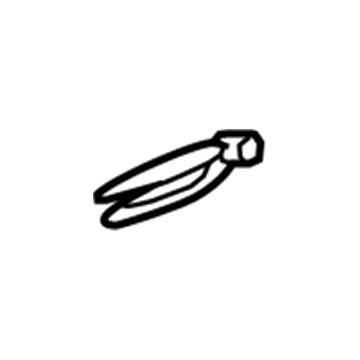
Chevrolet Filler Hose Clamp Part Number: 19317767
$4.10 MSRP: $6.51You Save: $2.41 (38%)Ships in 1-3 Business DaysProduct Specifications- Other Name: Clamp, Fuel Tank Filler Hose; Clamp, Fuel Tank Filler

Chevrolet Filler Hose Clamp Part Number: 92138649
$0.90 MSRP: $1.37You Save: $0.47 (35%)Ships in 1-3 Business DaysProduct Specifications- Other Name: Clamp, Fuel Tank Filler
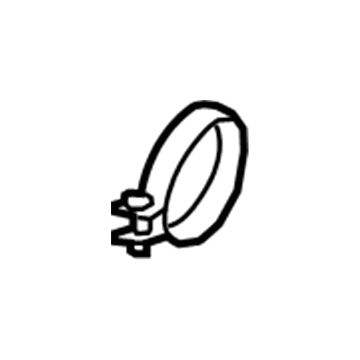
Chevrolet Filler Hose Clamp Part Number: 19316239
$5.43 MSRP: $8.19You Save: $2.76 (34%)Ships in 1-3 Business DaysProduct Specifications- Other Name: Clamp, Fuel Tank Filler Hose; Clamp, Fuel Tank Filler
- Replaced by: 19317866
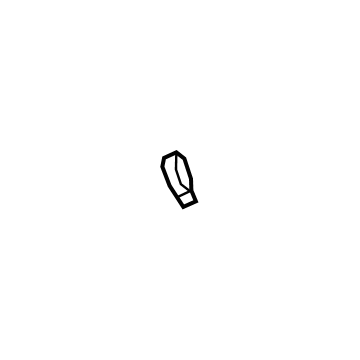
Chevrolet Clamp, Fuel Tank Filler Part Number: 26459487
$5.98 MSRP: $9.02You Save: $3.04 (34%)Ships in 1-2 Business DaysProduct Specifications- Other Name: Clamp-Fuel Tank Filler Hose

Chevrolet Clamp-Fuel Tank Filler Hose Part Number: 26478021
$10.65 MSRP: $16.07You Save: $5.42 (34%)Ships in 1-2 Business DaysProduct Specifications- Other Name: CLAMP-F/TNK FIL HOSE
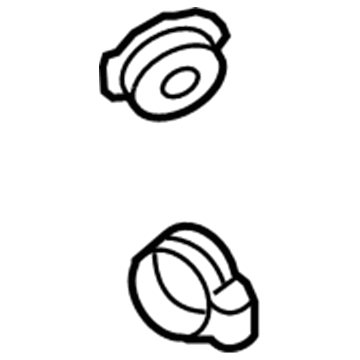
Chevrolet Hose Clamp Part Number: 744245
$0.52 MSRP: $0.77You Save: $0.25 (33%)Ships in 1-3 Business DaysProduct Specifications- Other Name: Clamp, Worm Gear; Fuel Hose Clamps; Fuel Line Clamps
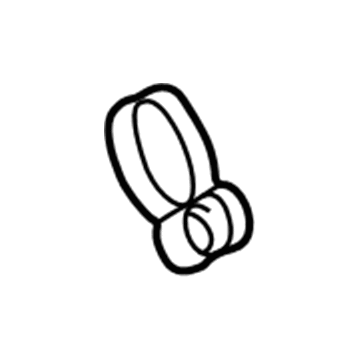
Chevrolet Hose Clamp Part Number: 30027438
Product Specifications- Other Name: Clamp, Fuel Tank Filler
Chevrolet Fuel Line Clamps
Choose OEM Fuel Line Clamps, you're making the optimal decision for superior quality and perfect performance. You can feel confident because each component goes through stringent quality checks. Every part is carefully built to comply with Chevrolet's factory specifications. You'll enjoy a smooth, worry-free installation that fits just right. At ChevyPartsDeal.com, you'll find it easy to get top-quality OEM Chevrolet Fuel Line Clamps. You can shop at highly competitive prices and protect your budget. All our genuine Chevrolet parts include a dependable manufacturer's warranty. You'll also appreciate our straightforward return policy and swift delivery services for extra convenience.
Chevrolet Fuel Line Clamps is a tight and good fit, which helps in keeping the gasoline in the ride safely without any harm to the engine or the passengers. Chevrolet has developed a reputation of 100 years of practicality mixed with aggressive trends, providing a quick and powerful engine, effortless transmission, and new features such as Super Cruise that makes long distance journeys easy as you drive, and in-car tech keeps the entire crew entertained. The Chevy fans appreciate strong frames that can manage the rough roads, quick steering that gives them confidence, and availability of parts that can never stall the adventures. All Chevy models are balanced in terms of power, comfort, and efficiency and that way, people can carry camping equipment, go to the office and experience a sporty feel, keeping the brand cool between generations. Fuel Line Clamps consist of small rings of stainless or spring-steel, which are clamped to the hose of a fuel system immediately behind a barbed fitting, preclosing the hose in the heat cycle and maintaining constant fuel pressure. To install, first release pressure in the system by loosening the fuel cap, position the clamp by sliding it over the hose and fully pushing the hose into the fitting until it bottoms out and then position the clamp directly behind the barb. Screw or pinch the ears evenly until the hose will no longer twist, be careful not to pinch the line. Then clean up any spilled fuel, start up the engine, inspect the joints along the joint and final clamping with a short run of warm up to hold everything in position.
Related Chevrolet Parts
 Chevrolet Intake Manifold
 Chevrolet Gas Cap
 Chevrolet Throttle Cable
 Chevrolet Vacuum Pump
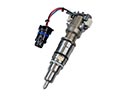 Chevrolet Fuel Injector
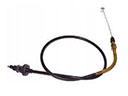 Chevrolet Accelerator Cable
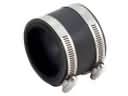 Chevrolet Air Intake Coupling
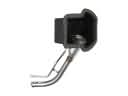 Chevrolet Fuel Filler Neck
 Chevrolet Fuel Pump Tank Seal
 Chevrolet Fuel Rail
 Chevrolet Fuel Tank Skid Plate
 Chevrolet Intake Manifold Temperature Sensor