ChevyParts
My Garage
My Account
Cart
OEM Buick Transfer Case
Speed Transfer Case- Select Vehicle by Model
- Select Vehicle by VIN
Select Vehicle by Model
orMake
Model
Year
Select Vehicle by VIN
For the most accurate results, select vehicle by your VIN (Vehicle Identification Number).
17 Transfer Cases found

Buick Transfer Case Part Number: 24265864
$856.48 MSRP: $964.49You Save: $108.01 (12%)Ships in 1-3 Business DaysProduct Specifications- Other Name: Case Assembly-Transfer
- Replaced by: 23387157
Buick Case, Transfer Case Part Number: 84619579
$869.39 MSRP: $983.47You Save: $114.08 (12%)Ships in 1-3 Business DaysProduct Specifications- Other Name: Case Assembly-Power Transfer U; Case; Transfer Case
- Replaced by: 84844730
Buick Transfer Case Part Number: 42469677
$972.62 MSRP: $1095.29You Save: $122.67 (12%)Product Specifications- Other Name: Case Assembly-Power Transfer U; Case, Transfer Case; Case
- Replaces: 23206372, 24263336, 42419030, 24263338
Buick Transfer Case Part Number: 84309465
$1344.39 MSRP: $1513.94You Save: $169.55 (12%)Ships in 1-3 Business DaysProduct Specifications- Other Name: Case Assembly-Power Transfer U; Case, Transfer Case; Case
- Replaces: 84079002, 84455654
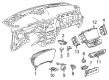
Buick Transfer Case Part Number: 86533976
$1545.90 MSRP: $1740.87You Save: $194.97 (12%)Ships in 1-2 Business DaysProduct Specifications- Other Name: Case Assembly-Power Transfer U; Case, Transfer Case; Case
- Replaces: 84893573, 84930554, 84331394, 84425923, 86805249, 84622332, 84715383, 84785332, 85136879
Buick Transfer Case Part Number: 84297546
$1776.30 MSRP: $2000.33You Save: $224.03 (12%)Ships in 1-3 Business DaysProduct Specifications- Other Name: Case Assembly-Power Transfer U; Case, Transfer Case
- Replaces: 84210327
Buick Transfer Case Part Number: 84297548
$1865.11 MSRP: $2100.36You Save: $235.25 (12%)Ships in 1-3 Business DaysProduct Specifications- Other Name: Case Assembly-Power Transfer U; Case, Transfer Case
- Replaces: 23382029, 84101151, 23271335
Buick Transfer Case Part Number: 84309466
$1978.85 MSRP: $2228.44You Save: $249.59 (12%)Ships in 1-3 Business DaysProduct Specifications- Other Name: Case Assembly-Power Transfer U; Case, Transfer Case; Case
Buick Case, Transfer Case Part Number: 85659612
$1485.06 MSRP: $1672.36You Save: $187.30 (12%)Ships in 1-2 Business DaysProduct Specifications- Other Name: Case Assembly-Power Transfer U
- Replaces: 84791233, 84847806
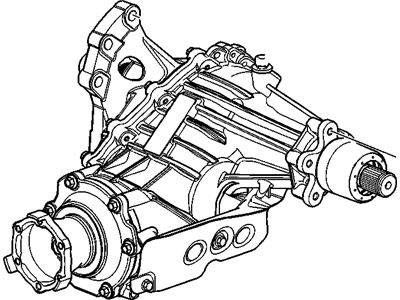
Buick Transfer Case Part Number: 23245651
$2021.71 MSRP: $2276.69You Save: $254.98 (12%)Product Specifications- Other Name: Case Assembly-Power Transfer U; Case, Transfer Case; Case
- Replaced by: 84953425
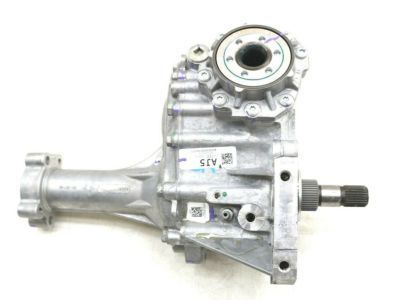
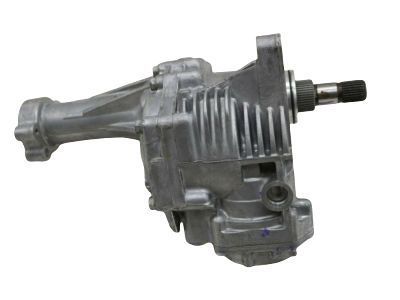
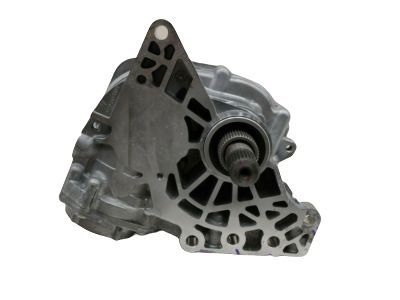
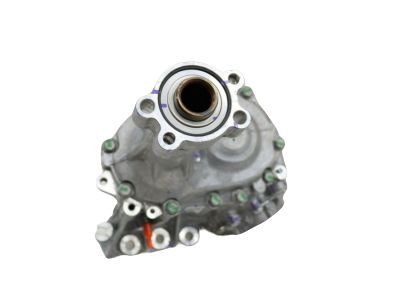
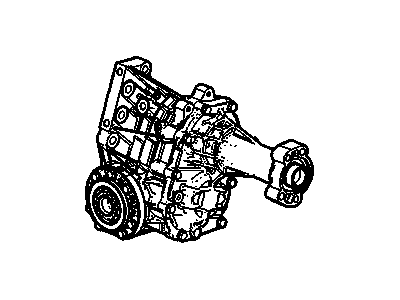
Buick Transfer Case Part Number: 23387157
Product Specifications- Other Name: Case Assembly-Power Transfer U; Case, Transfer Case
- Replaces: 23470068, 24263835, 24265864, 55574304, 55573168
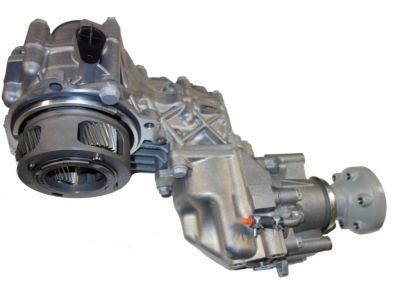
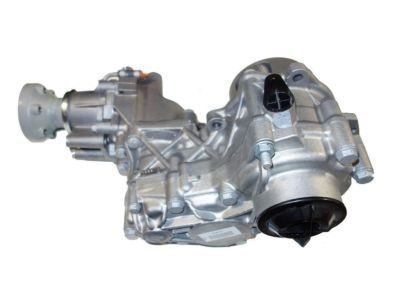
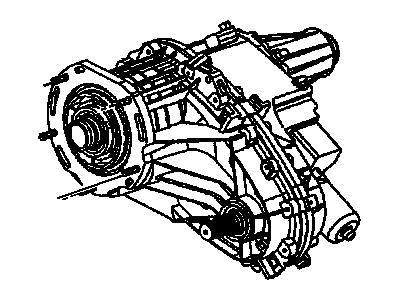
Buick Transfer Case Part Number: 89059708
Product Specifications- Other Name: Case, Transfer Case
- Replaces: 88996651, 24211577
Buick Transfer Case Part Number: 24259997
$1496.05 MSRP: $1684.72You Save: $188.67 (12%)Product Specifications- Other Name: Case Assembly-Transfer; Case, Transfer Case
- Replaces: 55573147
Buick Transfer Case Part Number: 89059707
Product Specifications- Other Name: Case, Transfer Case
- Replaces: 12575142, 89059293
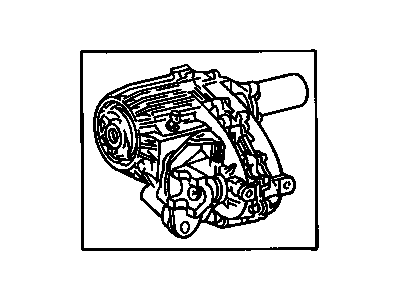
Buick Transfer Case Part Number: 24228412
Product Specifications- Other Name: Case, Transfer; Case, Transfer Case
- Replaces: 15046326, 15015512, 15972514, 15048303, 15011634, 24230628, 24233416
Buick Transfer Case Part Number: 24228421
Product Specifications- Other Name: Case, Transfer Case
- Replaces: 12572906, 15035132, 15048305, 12585260, 12581025, 24231582
Buick Transfer Case Part Number: 24228437
Product Specifications- Other Name: Case, Transfer Case
- Replaces: 12585315, 24238838, 24236608, 24242560, 24242115, 24249445
Buick Transfer Case
Choose OEM Transfer Case, you're making the optimal decision for superior quality and perfect performance. You can feel confident because each component goes through stringent quality checks. Every part is carefully built to comply with Buick's factory specifications. You'll enjoy a smooth, worry-free installation that fits just right. At ChevyPartsDeal.com, you'll find it easy to get top-quality OEM Buick Transfer Case. You can shop at highly competitive prices and protect your budget. All our genuine Buick parts include a dependable manufacturer's warranty. You'll also appreciate our straightforward return policy and swift delivery services for extra convenience.
The Buick Transfer Case shifts engine torque to front and rear axles, allowing the driver to switch between two and four wheel drive on the fly. Get into a new Buick and what comes to mind is hush. QuietTuning silences wind, highway, and road whines, and conversation can be held at a normal level even at highway speed. The suspension is biased towards a smooth, almost floating feel without the corners becoming mushy, meaning that the steering does talk back when you push those buttons. The infotainment stack is sensible, without any clutter, and the seats provide wide hips and long trip cushioning and pair with phones in seconds. The safety technology such as lane keep assist and adaptive cruise is not jumpy. Now add the all wheel capability available, and you have an assured cruiser that will fall all over snow or gravel without carrying on and all do it without consuming unnecessary fuel courtesy of well-developed powertrains that have been honed over years of Buick development. Pull the battery cable, chalk wheels, and mark driveshaft flanges before you remove the Transfer Case. Drain fluid, unbolt shafts, prop up the transmission with a jack, and then push the new Transfer Case onto the adaptor, inserting the splines into place by hand. Finger-start bolts and tighten them in a star pattern. Install breathers, reconnect shafts, shift cable, sensors, and breather tube, and fill with specified fluid. Change high, neutral, and low ranges with the car elevated, observe any leaks, drive a mile, listen to the car, and re-torque when the vehicle becomes cool.
Related Buick Parts
 Buick Automatic Transmission Input Shaft Seal
 Buick Automatic Transmission Output Shaft Seal
 Buick Automatic Transmission Shift Levers
 Buick Automatic Transmission Shifter
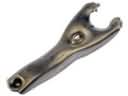 Buick Clutch Fork
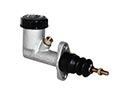 Buick Clutch Master Cylinder
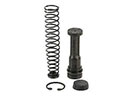 Buick Clutch Master Repair Kit
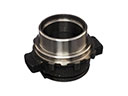 Buick Clutch Release Bearing
 Buick Pressure Plate
 Buick Transfer Case Seal
 Buick Transmission Assembly
 Buick Transmission Sensor