ChevyParts
My Garage
My Account
Cart
OEM Saturn Coolant Temperature Sensor
Coolant Water Temperature Sensor- Select Vehicle by Model
- Select Vehicle by VIN
Select Vehicle by Model
orMake
Model
Year
Select Vehicle by VIN
For the most accurate results, select vehicle by your VIN (Vehicle Identification Number).
9 Coolant Temperature Sensors found
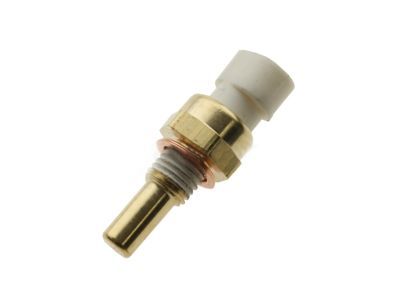
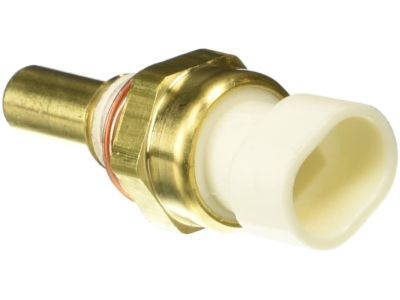
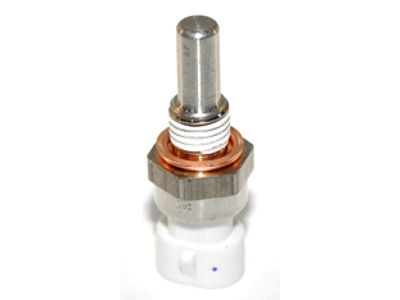

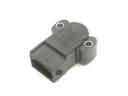
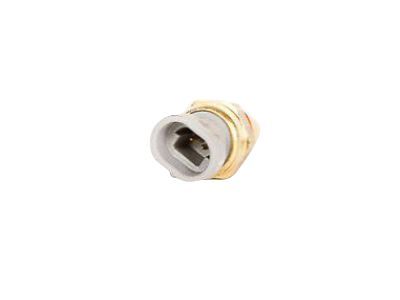
Saturn Coolant Temperature Sensor, Black Part Number: 12608814
$32.31 MSRP: $60.68You Save: $28.37 (47%)Ships in 1-3 Business DaysProduct Specifications- Other Name: Sensor Assembly-Engine Coolant Temperature *Ite Or Black; Engine Coolant Temperature Sensor; Temperature Sensor
- Replaces: 12191170, 15369305, 15326388, 25037062
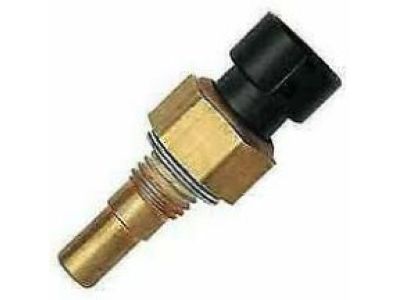

Saturn Coolant Temperature Sensor Part Number: 12611420
$18.86 MSRP: $35.42You Save: $16.56 (47%)Ships in 1-2 Business DaysProduct Specifications- Other Name: Sensor, Computer Control Sensors; Engine Coolant Temperature Sensor; Temperature Sensor; Sensor, Coolant Temperature (Engine Unit)
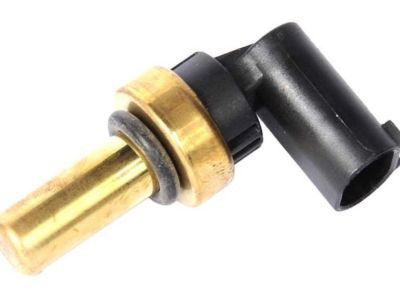

Saturn Coolant Temperature Sensor, Gold Part Number: 55591401
$21.16 MSRP: $39.74You Save: $18.58 (47%)Ships in 1-3 Business DaysProduct Specifications- Other Name: Sensor, Computer Control Sensors; Engine Coolant Temperature Sensor
- Replaces: 55353807
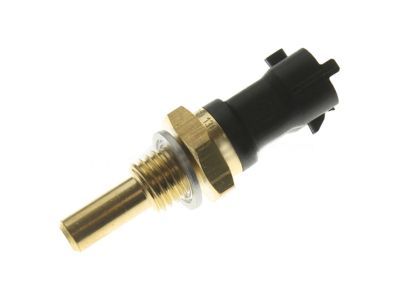
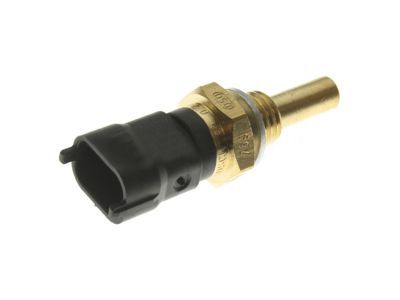
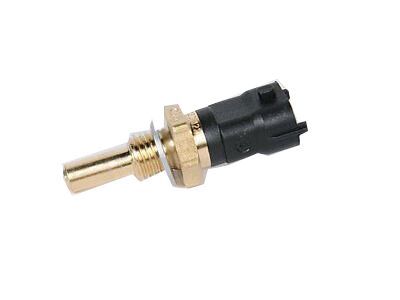

Saturn Coolant Temperature Sensor Part Number: 12639899
$29.97 MSRP: $56.28You Save: $26.31 (47%)Ships in 1-2 Business DaysProduct Specifications- Other Name: Sensor, Computer Control Sensors; Engine Coolant Temperature Sensor; Temperature Sensor; Sensor, Coolant Temperature (Engine Unit)
- Replaces: 12566778
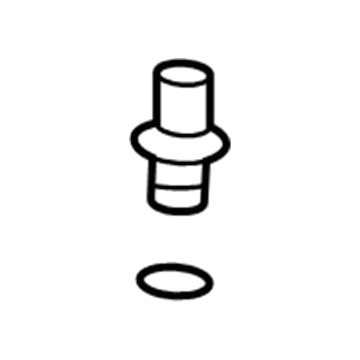
Saturn Coolant Temperature Sensor Part Number: 12581527
$69.64Ships in 1-2 Business DaysProduct Specifications- Other Name: Sensor, Computer Control Sensors; Engine Coolant Temperature Sensor
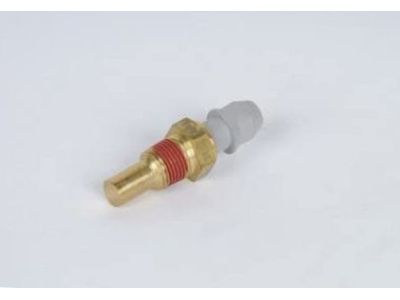
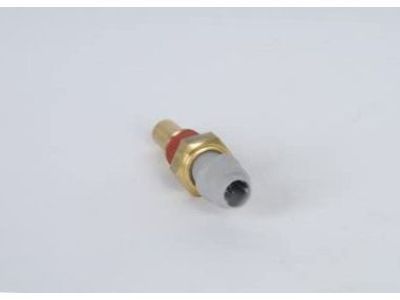
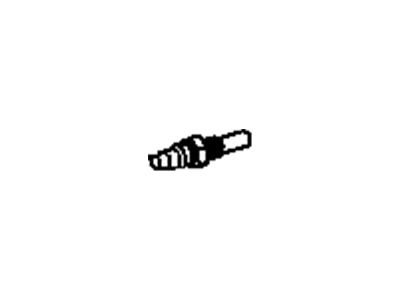
Saturn Temperature Sensor Part Number: 21020124
Product Specifications- Other Name: Sensor, Coolant Temperature (Engine Unit); Sensor

Saturn Coolant Temperature Sensor Part Number: 15393755
Product Specifications- Other Name: Sensor Assembly, Engine Coolant Temperature
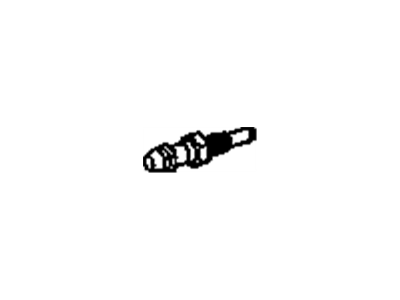
Saturn M.A.P. Sensor Part Number: 21025106
Product Specifications- Other Name: Sensor, Computer Control; Air Charge, Intake Air, Coolant, and MAP Temperature Sensors.
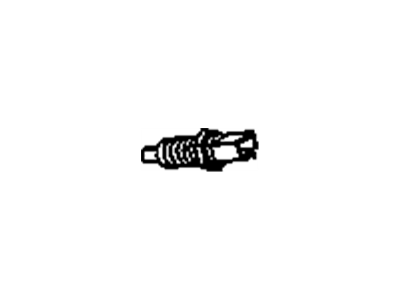
Saturn Coolant Temperature Sensor Part Number: 90541937
Product Specifications- Other Name: Sensor, Engine Coolant Temperature; Engine Coolant Temperature Sensor; Temperature Sensor; Sensor, Coolant Temperature (Engine Unit)
Saturn Coolant Temperature Sensor
Choose OEM Coolant Temperature Sensor, you're making the optimal decision for superior quality and perfect performance. You can feel confident because each component goes through stringent quality checks. Every part is carefully built to comply with Saturn's factory specifications. You'll enjoy a smooth, worry-free installation that fits just right. At ChevyPartsDeal.com, you'll find it easy to get top-quality OEM Saturn Coolant Temperature Sensor. You can shop at highly competitive prices and protect your budget. All our genuine Saturn parts include a dependable manufacturer's warranty. You'll also appreciate our straightforward return policy and swift delivery services for extra convenience.
The Saturn Coolant Temperature Sensor is a threaded thermistor in the engine block that informs the computer of the level of coolant temperature to ensure that fuel, spark, and fans are appropriately activated. Saturn cars developed a cult following due to the polymer body panels which shrug off parking lot dings; they remain rust-free and appear fresh after tough winters. The lightweight panel is matched with the cast aluminum lost foam that reduces weight on the engine mass; hence, drivers enjoy fast throttle response with enhanced fuel efficiency. And then add the slick multi-layer paint that laughs at chips of gravel and you have the compact that will be sharp even decades, a win-win situation in practical terms, especially in times when you are tightening your budget. In contrast to trend-chasing competitors, Saturn was concerned with real-life durability with simple layouts that allow space to access components, such as the Coolant Temperature Sensor when troubleshooting on the road. Replacement of the Coolant Temperature Sensor will involve parking on a flat surface, allowing the motor to cool down, and removing the negative battery cable. When on a well-designed Saturn, it can be accomplished with a deep socket and patience. Turn the radiator cap off gradually to relieve pressure and then spot the sensor next to the thermostat housing, unplug the harness, and wipe off any dribble of fluid with a clean rag. Rotate the old unit, mate the threads of the new one, dab thread sealer or install the fresh O-ring, finger-tighten, snug it until it won't turn on screws, reconnect the plug, fill up the coolant, wait until the fan shuts off, and confirm the dashboard display to steady heat, making sure the final Coolant Temperature Sensor reading is true.