ChevyParts
My Garage
My Account
Cart
OEM Oldsmobile Trailing Arm
Trailing Control Arm- Select Vehicle by Model
- Select Vehicle by VIN
Select Vehicle by Model
orMake
Model
Year
Select Vehicle by VIN
For the most accurate results, select vehicle by your VIN (Vehicle Identification Number).
26 Trailing Arms found
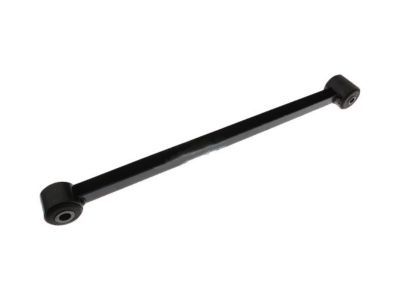
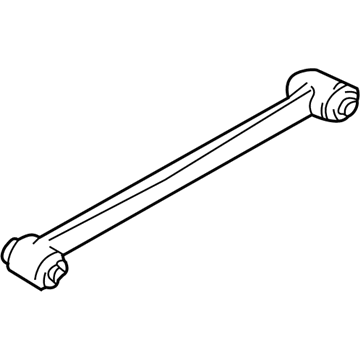
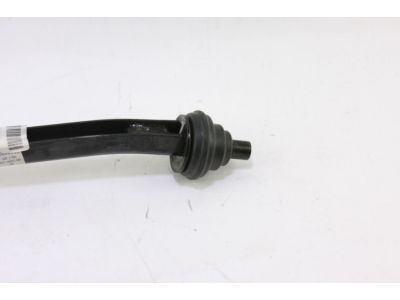
Oldsmobile Trailing Arm, Rear Part Number: 15820927
$63.38 MSRP: $107.89You Save: $44.51 (42%)Ships in 1-2 Business DaysProduct Specifications- Other Name: Arm Assembly-Rear Suspension Trailing; Suspension Trailing Arm; Lateral Link; Lateral Arm; Arm, Rear Axle Control Arm
- Position: Rear
- Replaces: 10244461
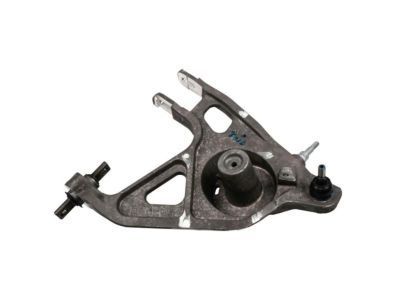
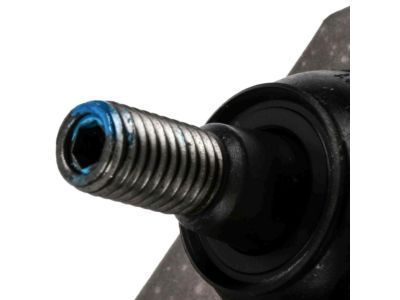
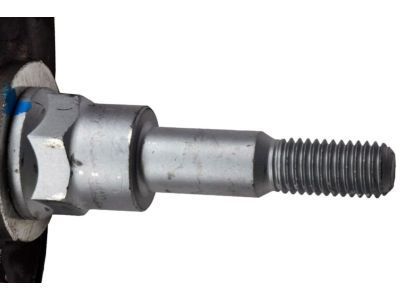
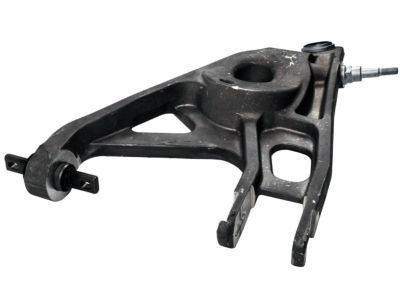
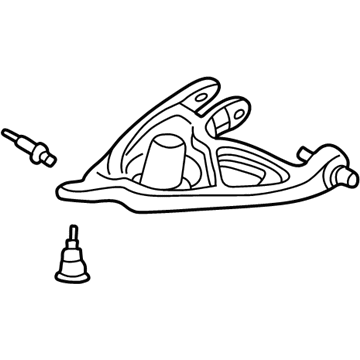
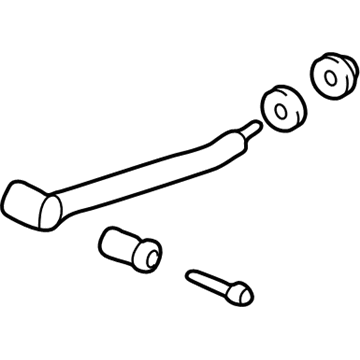
Oldsmobile Lower Control Arm, Rear Passenger Side Part Number: 25795979
$230.11 MSRP: $379.07You Save: $148.96 (40%)Ships in 1-2 Business DaysProduct Specifications- Other Name: Arm, Rear Axle Control Arm; Suspension Control Arm and Ball Joint Assembly; Control Arm Assembly; Control Arm
- Position: Passenger Side
- Replaces: 10412907, 15232853
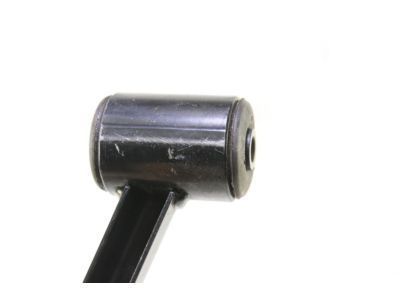
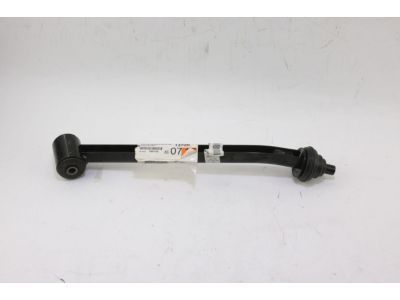
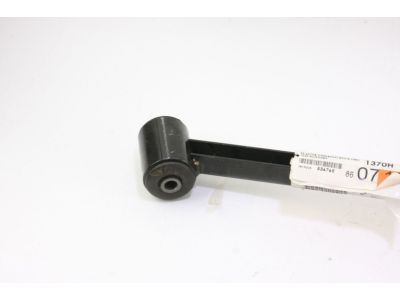
Oldsmobile Trailing Arm, Rear Passenger Side Part Number: 22639909
$71.58 MSRP: $81.58You Save: $10.00 (13%)Ships in 1-2 Business DaysProduct Specifications- Other Name: Arm Assembly-Rear Suspension Trailing; Suspension Trailing Arm; Arm, Rear Axle Control Arm
- Position: Passenger Side
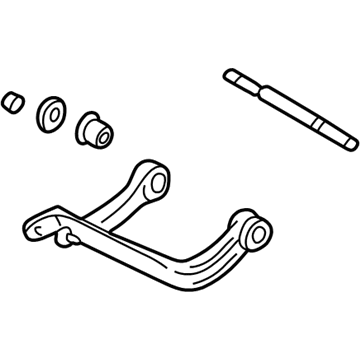
Oldsmobile Upper Control Arm, Rear Passenger Side Part Number: 15232837
$58.40 MSRP: $215.77You Save: $157.37 (73%)Ships in 1-2 Business DaysProduct Specifications- Other Name: Arm, Rear Axle Control Arm; Suspension Control Arm; Control Arm
- Position: Passenger Side
- Replaces: 10412908
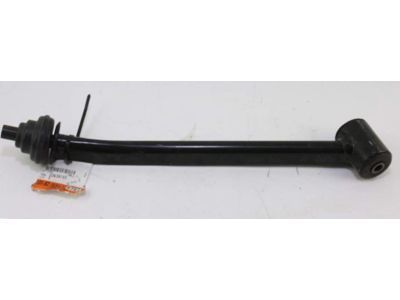
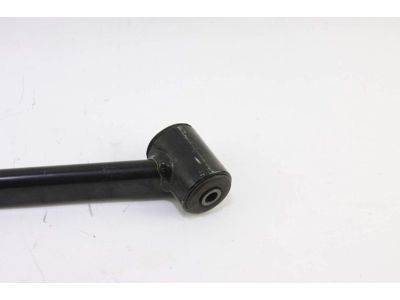
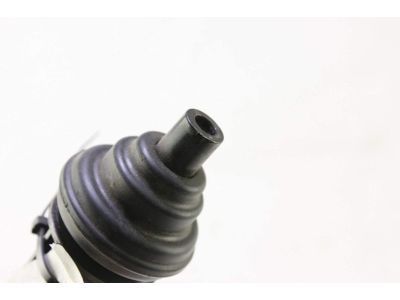
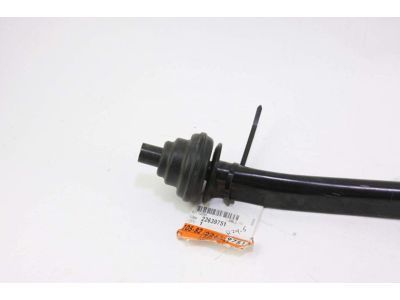
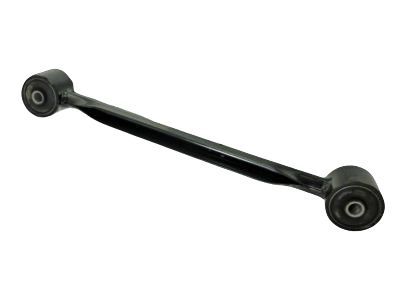
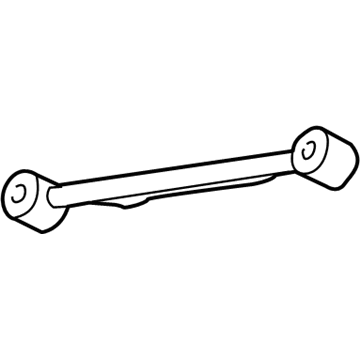
Oldsmobile Trailing Arm, Rear Driver Side Part Number: 22639751
Product Specifications- Other Name: Arm Assembly-Rear Suspension Trailing; Suspension Trailing Arm; Arm, Rear Axle Control Arm
- Position: Driver Side
Oldsmobile Upper Control Arm, Rear Part Number: 15069837
Product Specifications- Other Name: Arm, Rear Axle Upper Control; Control Arm; Arm, Rear Axle Control Arm
- Position: Rear Upper
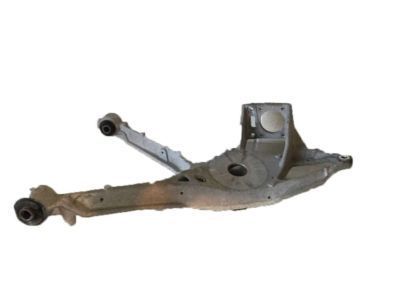
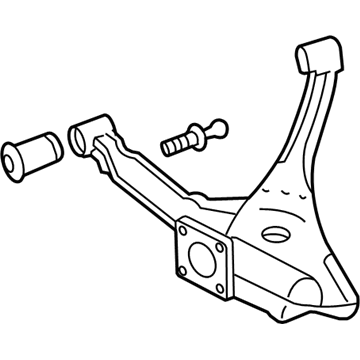
Oldsmobile Control Arm, Rear Passenger Side Part Number: 25820033
Product Specifications- Other Name: Arm Assembly-Rear Suspension Control; Lower Control Arm; Arm, Rear Axle Control Arm
- Position: Passenger Side
- Replaces: 15897790, 25771881
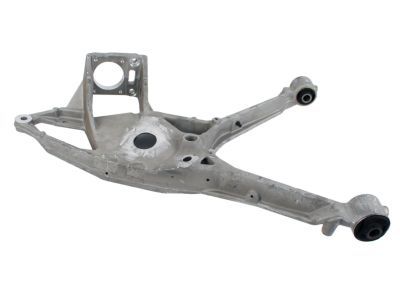
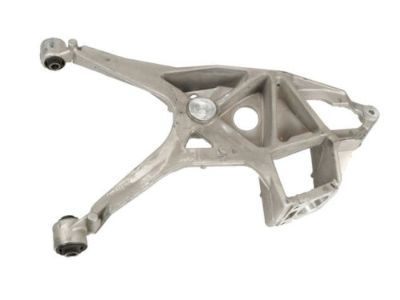
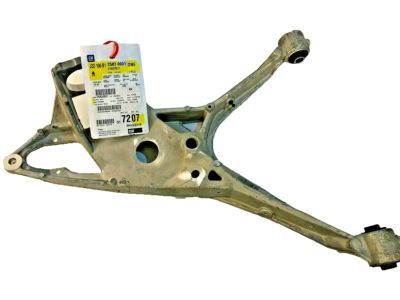
Oldsmobile Control Arm, Rear Driver Side Part Number: 25820031
Product Specifications- Other Name: Arm Assembly-Rear Suspension Control; Lower Control Arm; Arm, Rear Axle Control Arm
- Position: Driver Side
- Replaces: 15897788, 25690655, 25765590, 25743300, 25628897, 25626733, 25675172, 25699091
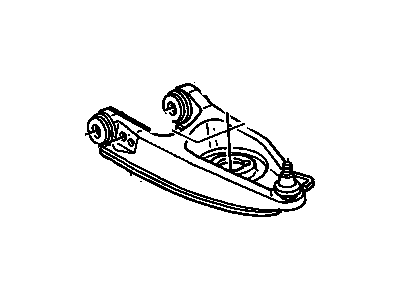
Oldsmobile Control Arm, Driver Side Part Number: 25530737
Product Specifications- Other Name: F-Arm; Lower Control Arm; Arm, Rear Axle Control Arm
- Position: Driver Side
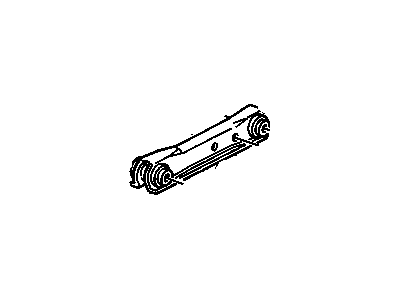
Oldsmobile Control Arm, Rear Part Number: 10000887
Product Specifications- Other Name: Arm, Rear Axle Control Arm; Upper Control Arm
- Position: Rear
Oldsmobile Control Arm, Rear Part Number: 12522685
Product Specifications- Other Name: Arm, Rear Axle Control Arm; Upper Control Arm
- Position: Rear
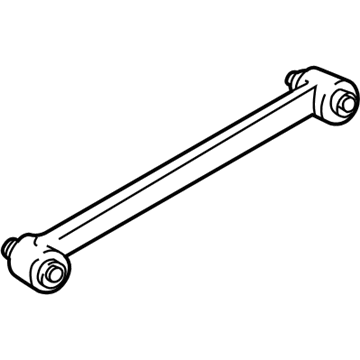
Oldsmobile Trailing Arm, Rear Part Number: 10282766
Product Specifications- Other Name: Arm Assembly-Rear Suspension Trailing; Arm, Rear Axle Control Arm
- Position: Rear
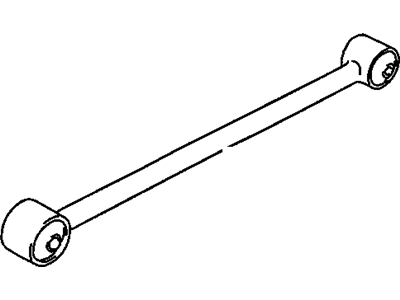
Oldsmobile Control Arm, Rear Part Number: 10081635
Product Specifications- Other Name: Arm, Rear Axle Control Arm; Lower Control Arm
- Position: Rear
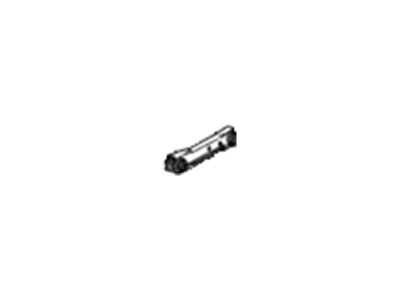
Oldsmobile Control Arm, Rear Part Number: 10000334
Product Specifications- Other Name: Arm, Rear Axle Control Arm; Lower Control Arm
- Position: Rear
- Replaces: 10000317
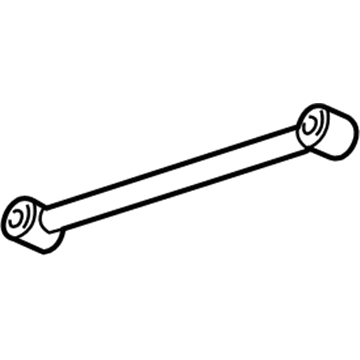
Oldsmobile Lower Control Arm, Rear Part Number: 15069840
Product Specifications- Other Name: Arm, Rear Axle Control Arm; Control Arm
- Position: Rear Lower
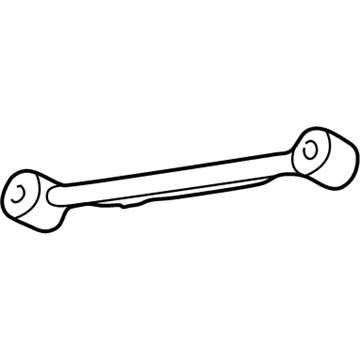
Oldsmobile Upper Control Arm, Rear Part Number: 15116112
Product Specifications- Other Name: Arm, Rear Axle Control Arm; Control Arm
- Position: Rear Upper
Oldsmobile Upper Control Arm, Rear Part Number: 15098152
Product Specifications- Other Name: Arm, Rear Axle Control Arm; Suspension Control Arm; Control Arm
- Position: Rear Upper
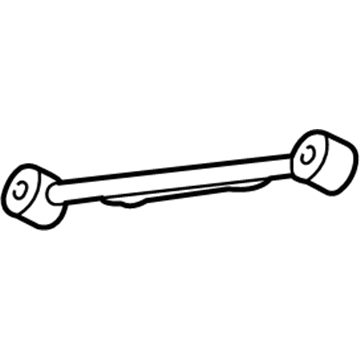
Oldsmobile Upper Control Arm, Rear Part Number: 15069838
Product Specifications- Other Name: Arm, Rear Axle Upper Control; Control Arm; Arm, Rear Axle Control Arm
- Position: Rear Upper
Oldsmobile Lower Control Arm, Rear Part Number: 15098154
Product Specifications- Other Name: Arm, Rear Axle Control Arm; Upper Control Arm
- Position: Rear Lower
Oldsmobile Upper Control Arm, Rear Part Number: 15098153
Product Specifications- Other Name: Arm, Rear Axle Control Arm; Suspension Control Arm; Control Arm
- Position: Rear Upper
| Page 1 of 2 |Next >
1-20 of 26 Results
Oldsmobile Trailing Arm
Choose OEM Trailing Arm, you're making the optimal decision for superior quality and perfect performance. You can feel confident because each component goes through stringent quality checks. Every part is carefully built to comply with Oldsmobile's factory specifications. You'll enjoy a smooth, worry-free installation that fits just right. At ChevyPartsDeal.com, you'll find it easy to get top-quality OEM Oldsmobile Trailing Arm. You can shop at highly competitive prices and protect your budget. All our genuine Oldsmobile parts include a dependable manufacturer's warranty. You'll also appreciate our straightforward return policy and swift delivery services for extra convenience.
Oldsmobile Trailing Arm ensures that the rear wheels are pointed in the right direction and absorbs road shocks to provide the drivers with a stable and comfortable ride. In the year 1897, Oldsmobile began manufacturing vehicles that were reliable and it did not take long before it adopted the moving assembly line to produce quality vehicles at a cheaper cost. The brand then shocked the consumers with the Hydra-Matic automatic transmission that enabled anyone to cruise in the traffic without fumbling with a clutch. Over decades, Oldsmobile was emphasized on silent cabins, power delivery, and parts of the chassis that fostered a safe and confident commuting. It is that legacy of reliability that allows the modern day fan to have trust in an Oldsmobile suspension upgrade with the understanding that the company has long been seeking comfort in all their efforts. A Trailing Arm consists of a thick steel connection that screws onto a chassis in the front and connects the rear hub back of it, guiding the movement of the wheels and maintaining the alignment in addition to absorbing bumps. Installing a new Trailing Arm, begin by parking on level ground, chocking the wheels and getting the car elevated on jack stands that are solid. Disassemble the old Trailing Arm and any bracket, removing the wheel, use a jack to hold the rear hub and remove all the old bolts. Find the new part in relation to the old, then interchange bushings or bolts and slide the part in and use your fingertips to tighten the fasteners. Reassemble brackets, clip brake line or sensor, fit the wheel, lower the car until the suspension is in ride height, and tighten all bolts to specification. Finalize by aligning the car and making a short test run to check.
Related Oldsmobile Parts
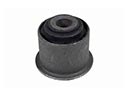 Oldsmobile Axle Pivot Bushing
 Oldsmobile Drive Shaft
 Oldsmobile Lateral Link
 Oldsmobile Spindle
 Oldsmobile Strut Bearing
 Oldsmobile Suspension Strut Rod
 Oldsmobile Sway Bar Bracket
 Oldsmobile Sway Bar Bushing
 Oldsmobile Track Bar
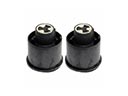 Oldsmobile Trailing Arm Bushing
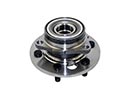 Oldsmobile Wheel Hub
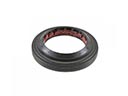 Oldsmobile Wheel Seal