ChevyParts
My Garage
My Account
Cart
OEM Chevrolet Suburban 1500 Brake Master Cylinder
- Select Vehicle by Model
- Select Vehicle by VIN
Select Vehicle by Model
orMake
Model
Year
Select Vehicle by VIN
For the most accurate results, select vehicle by your VIN (Vehicle Identification Number).
15 Brake Master Cylinders found
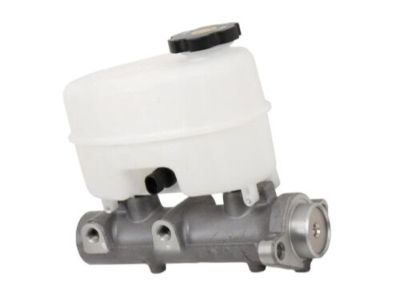
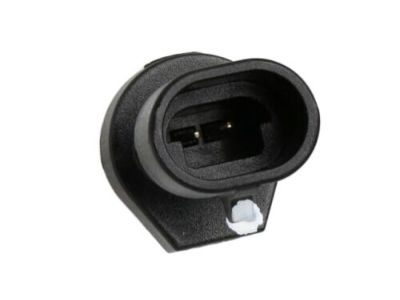
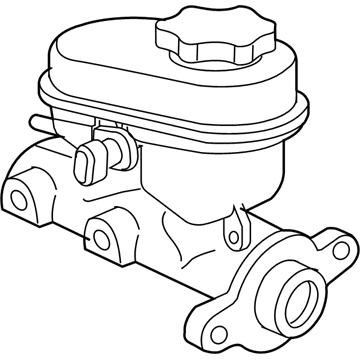
Chevrolet Suburban 1500 Master Cylinder Part Number: 19420962
$182.60 MSRP: $357.49You Save: $174.89 (49%)Ships in 1-2 Business Days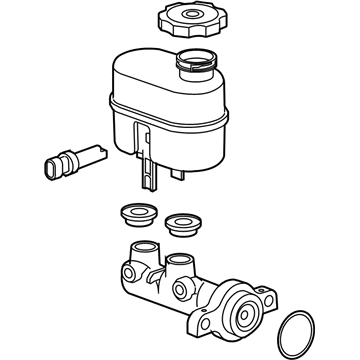
Chevrolet Suburban 1500 Master Cylinder Part Number: 19420798
$161.67 MSRP: $313.78You Save: $152.11 (49%)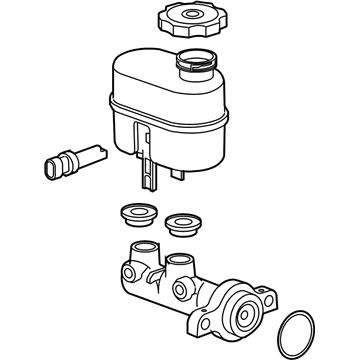
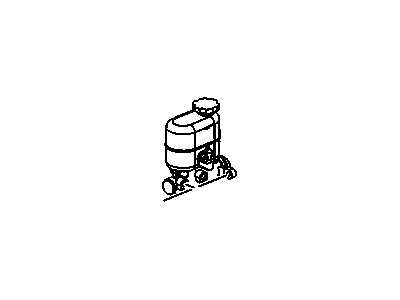
Chevrolet Suburban 1500 Master Cylinder Part Number: 19432944
$156.87 MSRP: $281.38You Save: $124.51 (45%)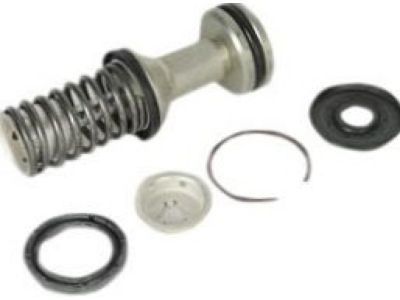
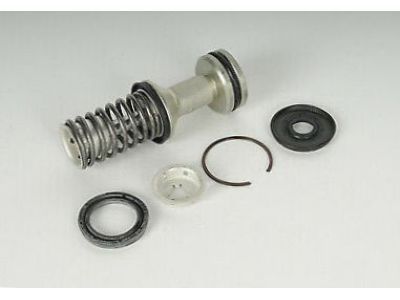
Chevrolet Suburban 1500 Overhaul Kit Part Number: 19209252
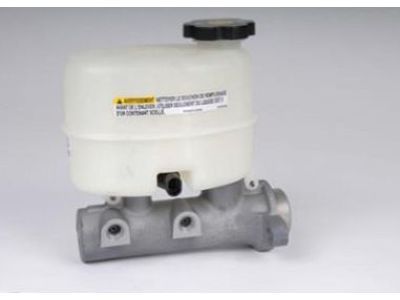
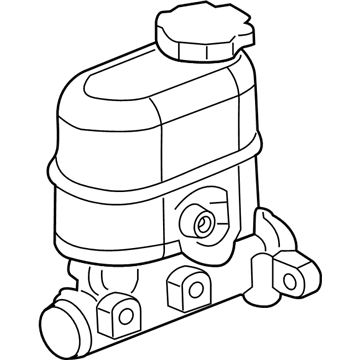
Chevrolet Suburban 1500 Master Cylinder Part Number: 19209250
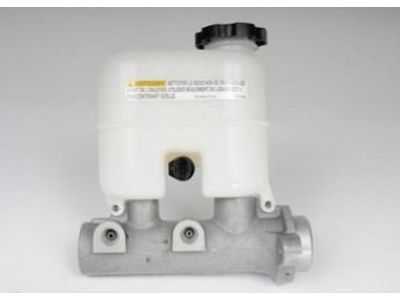
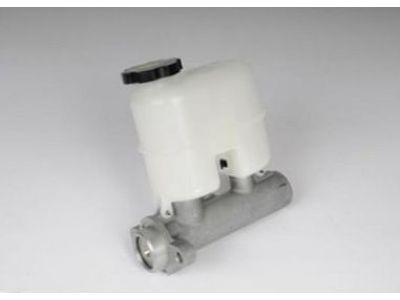
Chevrolet Suburban 1500 Master Cylinder Part Number: 19209249
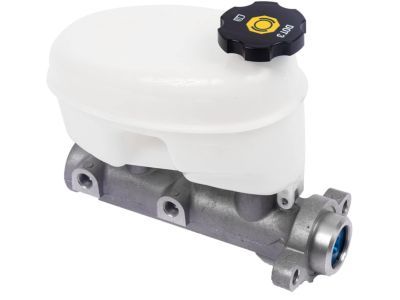
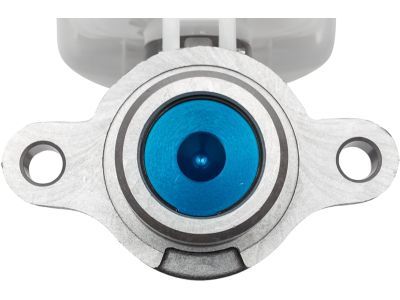
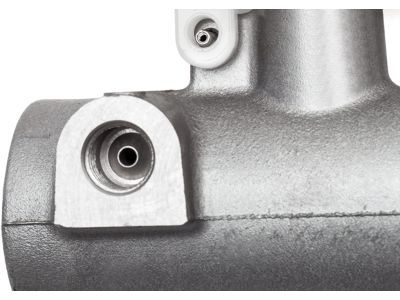
Chevrolet Suburban 1500 Master Cylinder Part Number: 19209239
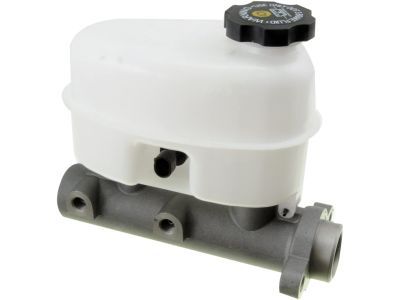
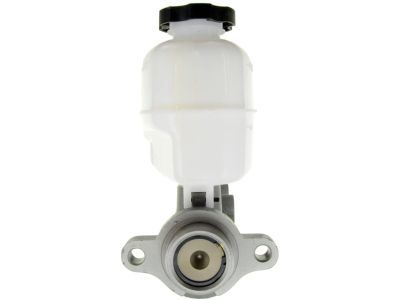
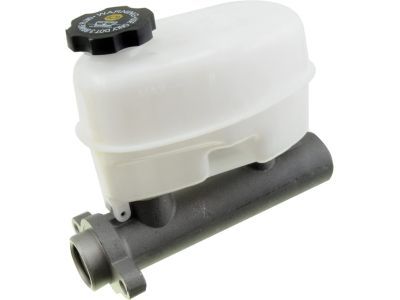
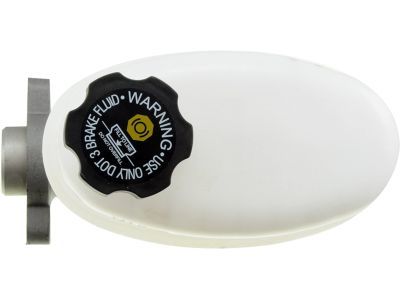
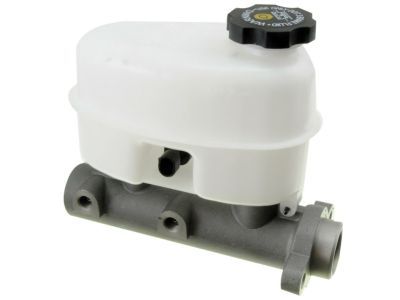
Chevrolet Suburban 1500 Master Cylinder Part Number: 19209236
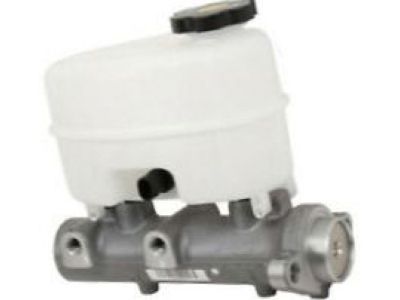
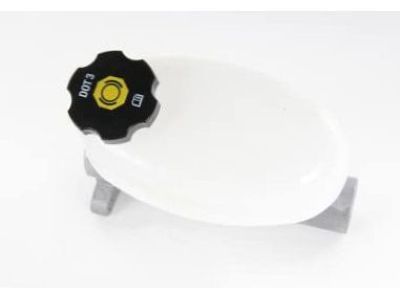
Chevrolet Suburban 1500 Master Cylinder Part Number: 19209189
Chevrolet Suburban 1500 Overhaul Kit Part Number: 19209251
Chevrolet Suburban 1500 Master Cylinder Part Number: 25865166
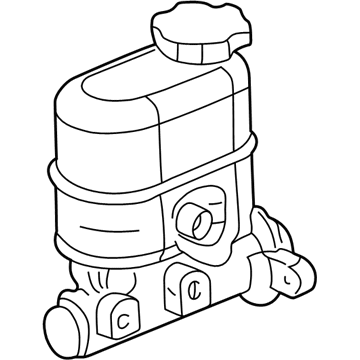
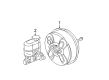
Chevrolet Suburban 1500 Master Cylinder Part Number: 18047524
Chevrolet Suburban 1500 Master Cylinder Part Number: 19209234
Chevrolet Suburban 1500 Master Cylinder Part Number: 19209199
Chevrolet Suburban 1500 Master Cylinder Part Number: 19209191
Chevrolet Suburban 1500 Brake Master Cylinder
Want to cut long-term maintenance and repair costs? Choose OEM Brake Master Cylinder. Those parts deliver top durability you can trust. On our site, you'll find a huge catalog of genuine Chevrolet Suburban 1500 parts. Prices are unbeatable, so you can keep more in your pocket. Every OEM Chevrolet Suburban 1500 Brake Master Cylinder includes a manufacturer's warranty. You can also get an easy return policy that keeps buying risk free. Fast delivery, get your car on the road quickly. It's simple to search, compare, and order. Stop guessing about quality or fit. Order today and save with parts that last.
Chevrolet Suburban 1500 Brake Master Cylinder Parts and Q&A
- Q:How to replace the Brake Master Cylinder (Hydraulic Boost) on Chevrolet Suburban 1500?A:Before replacing the hydraulic boost part you must first engage the parking brake while disconnecting both electrical and Brake Fluid Level Sensor connections. Next unscrew both brake pipes and cap them to avoid brake fluid loss or contamination during work. Unbolt both master cylinder mounting pieces so you can take out the master cylinder device with its reservoir. Begin with reservoir installation then bench bleed master cylinder before placing it into position. Secure the master cylinder mounting nuts at 36 nm (27 ft. Lbs.) before attaching the brake pipes using fittings that you tighten to 25 nm (18 ft. Lbs.). Connect the electrical connection at the brake fluid sensor while bleeding the brake system then removing the parking brake.
- Q:How to overhaul the brake master cylinder on Chevrolet Suburban 1500?A:During the process of overhauling the Brake Master Cylinder, it is very vital to replace the cylinder body rather than honing the bore, because honing will damage the hard and polished surface and it causes rapid wear of the rubber cups. You must start by removing the master cylinder brake fluid reservoir, followed by removing the snap-ring, and lastly, removing the primary Piston assembly from the master cylinder body. In the case of using air pressure to evacuate the secondary Piston, make sure the open end of the cylinder bore is roughly 25mm (1 inch) from a padded surface so the Piston can be caught and depressurize it slowly with caution, while never pointing the bore at anyone. After removing the secondary Piston, plug the rear port and apply small air pressure on the front one and this makes it easier to remove the seals and the spring retainer with the spring from the master cylinder body. Clean the parts with no-time alcohol for metal parts, and clean-brake solvent for rubber parts, using only the approved solvents that will not damage the rubber components. Examine the diaphragm to see whether it has cuts or cracks and swelling; examine the cylinder bore for scoring or corrosion with the possibility of replacing the master cylinder in case there is corrosion. Lubricate the grommets, seals, and the cylinder bore with clean brake fluid, with new seals during assembly. Position the spring and spring retainer, then position primary seal and secondary seal on the secondary Piston and insert the secondary Piston and primary Piston assembly into the master cylinder body. Finally, install the snap ring by compressing the primary Piston, and reattach the master cylinder brake fluid reservoir.
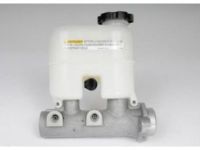
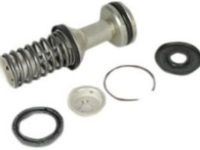
Related Chevrolet Suburban 1500 Parts
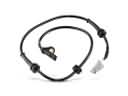 Chevrolet Suburban 1500 ABS Sensor
 Chevrolet Suburban 1500 Backing Plate
 Chevrolet Suburban 1500 Brake Booster
 Chevrolet Suburban 1500 Brake Caliper
 Chevrolet Suburban 1500 Brake Caliper Bracket
 Chevrolet Suburban 1500 Brake Dust Shields
 Chevrolet Suburban 1500 Brake Fluid Level Sensor
 Chevrolet Suburban 1500 Brake Master Cylinder Repair Kit
 Chevrolet Suburban 1500 Brake Rotor
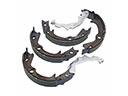 Chevrolet Suburban 1500 Parking Brake Shoes
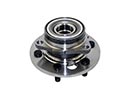 Chevrolet Suburban 1500 Wheel Hub
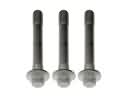 Chevrolet Suburban 1500 Wheel Hub Bolt