ChevyParts
My Garage
My Account
Cart
OEM Chevrolet Monte Carlo Brake Calipers
Caliper- Select Vehicle by Model
- Select Vehicle by VIN
Select Vehicle by Model
orMake
Model
Year
Select Vehicle by VIN
For the most accurate results, select vehicle by your VIN (Vehicle Identification Number).
18 Brake Calipers found
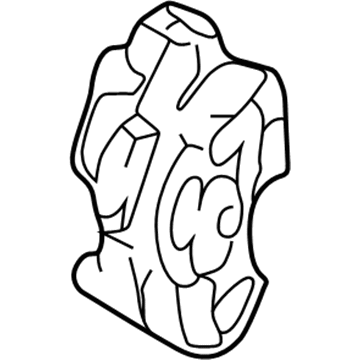
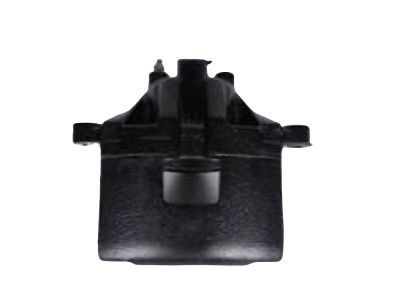
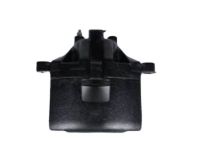
Chevrolet Monte Carlo Caliper, Front Driver Side Part Number: 18046196
$145.18 MSRP: $284.26You Save: $139.08 (49%)Ships in 1-2 Business Days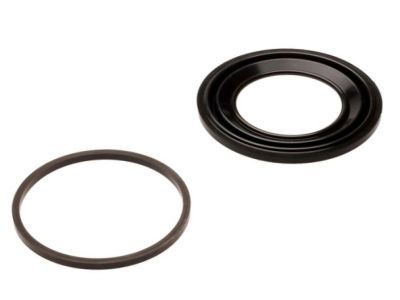
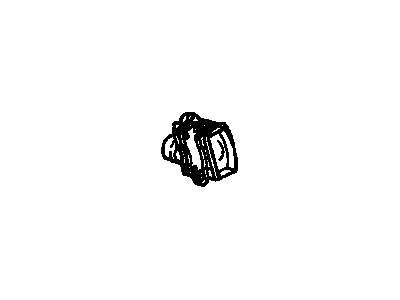
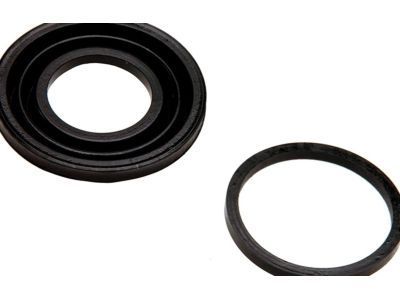
Chevrolet Monte Carlo Overhaul Kit, Front Part Number: 18003724
Chevrolet Monte Carlo Caliper Overhaul Kit, Rear Part Number: 18023387

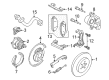
Chevrolet Monte Carlo Caliper Piston Part Number: 88967227
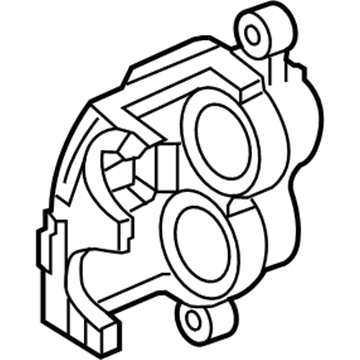
Chevrolet Monte Carlo Caliper, Front Driver Side Part Number: 25983764
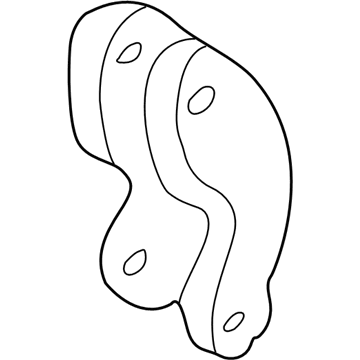
Chevrolet Monte Carlo Caliper Assembly Part Number: 18060135
Chevrolet Monte Carlo Caliper Assembly Part Number: 18060134
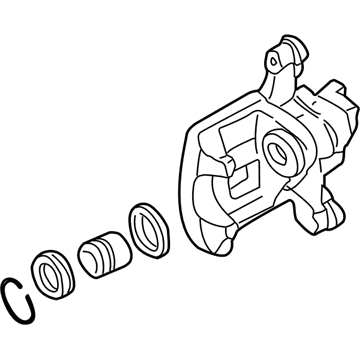
Chevrolet Monte Carlo Caliper Part Number: 88965667
Chevrolet Monte Carlo Caliper Part Number: 88965666

Chevrolet Monte Carlo Caliper Part Number: 88962832
Chevrolet Monte Carlo Caliper Part Number: 88962831
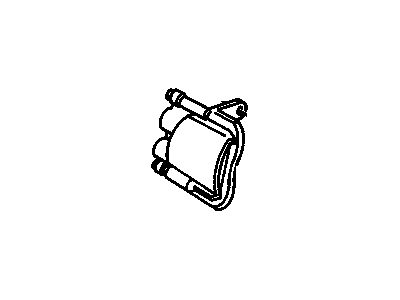
Chevrolet Monte Carlo Caliper, Passenger Side Part Number: 18060107
Chevrolet Monte Carlo Caliper, Driver Side Part Number: 18060106
Chevrolet Monte Carlo Overhaul Kit Part Number: 18029823
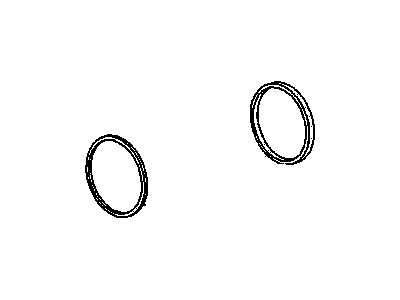
Chevrolet Monte Carlo Overhaul Kit, Front Part Number: 18017156
Chevrolet Monte Carlo Overhaul Kit, Front Part Number: 18015169
Chevrolet Monte Carlo Brake Calipers
Want to cut long-term maintenance and repair costs? Choose OEM Brake Calipers. Those parts deliver top durability you can trust. On our site, you'll find a huge catalog of genuine Chevrolet Monte Carlo parts. Prices are unbeatable, so you can keep more in your pocket. Every OEM Chevrolet Monte Carlo Brake Calipers includes a manufacturer's warranty. You can also get an easy return policy that keeps buying risk free. Fast delivery, get your car on the road quickly. It's simple to search, compare, and order. Stop guessing about quality or fit. Order today and save with parts that last.
Chevrolet Monte Carlo Brake Caliperss is extremely vital braking part, which actuates hydraulic pressure from the master cylinder and convert them into mechanical force. This force is used to push the brake pads against the rotors so as to slow down or even stop the vehicle. Monte Carlo models utilize two primary types of Brake Calipers: there are two types of shelf fitting known as, fixed and floating. They are even modern calipers used in the maturing Monte Carlo in various designs over the years, such as the performance-oriented ones that boost both the car's stopping force as well as its looks. Standard calipers are usually of cast iron construction while the pistons are made from steel or phenolic types. Performance calipers can also come in lightweight aluminum and have better additional features for better durability and enhanced performance. Continual examinations and services should be done on the Brake Caliper so as to avoid problems such as leakage, uneven wearing off, as well as brake drag.
Chevrolet Monte Carlo Brake Calipers Parts and Q&A
- Q: How to service and repair the front brake calipers on Chevrolet Monte Carlo?A:To service and repair the front brake caliper, the following tools will be needed: caliper piston seal installer (J 35777). Take the front brake caliper off the vehicle with care, as not to insert fingers in front of the caliper piston(s) when using a compressed air to activate them, since they could be violently pressed out, creating the potential for injury. Pad the interior of the caliper housing with clean cloths, and use only enough air to gently extract the pistons from the bores. Displace the Brake Caliper Piston from the caliper bore by applying low-pressure compressed air to the caliper bore through the hole of the fluid inlet. Use a small wooden or plastic tool to remove and throw out the caliper dust boot seal and the piston seal from their positions. Then, take out the bleeder valve and cap of the caliper. Clean the brake caliper, piston bore, seal counterbore and caliper piston using denatured alcohol or the equal of it, and dry these using non lubricated, filtered air. Check out the caliper bore for chips, scoring, pitting, and excessive rust or corrosion; if there is light rust or corrosion, try to remove it using fine emery paper, but replace the caliper assembly if there are persisting imperfections. Similarly, check the caliper piston for its wear and tear and replace it when necessary. For installation, lubricate the new piston seal with delco supreme ii (R), gm p/n 12377967 (Canadian P/N 992667) or equivalent, using a clean, sealed container of dot-3 brake fluid. For example, install the lubricated piston seal, then put the caliper piston in the caliper bore pushing it to the bottom of the bore. Put on the new piston dust boot seal onto the piston and clip the caliper piston seal installer (J 35777) to press the caliper piston seal all the way into the counterbore. At last fit the bleeder valve and cap onto the caliper and tighten the valve properly before refitting back the front brake caliper onto the vehicle.
- Q: How to replace the front brake calipers on Chevrolet Monte Carlo?A:To change from the front brake caliper, one should first check the fluid level in the brake master cylinder reservoir; if it is above the midpoint between maximum-full to minimum allowable levels, remove fluids to that point. Lift and hold the vehicle, and unmount the front tire and wheel assembly. Hand tighten two wheel lug nuts to keep the rotor to the hub and install a large c-clamp over the top of the brake caliper against the back of the outboard Brake Pad, all the way to the caliper piston is pushed into caliper bore to slide off the rotor. Take out the c-clamp, then remove the brake hose-to-caliper bolt then discard the two copper brake hose gaskets. Seal the opening at the front brake hose to minimize the loss of fluid without pinching the hose. Take of the caliper bolts and remove the caliper from the rotor and caliper bracket . Check the walls of the caliper bolt boots in the caliper bracket for cuts, tears, and wear, refit them if busted, and inspect the caliper bolts for corrosion or harms, clout these if they are essential. For installation, clean the brake caliper pin bolts and retainers with denatured alcohol, allow them to dry with non-lubricated, filtered air, and apply high temperature silicone brake lubricant to the pin bolts and retainers, but not on the Brake Pad hardware. Mount the caliper over the rotor and the caliper bracket, with the bushings properly installed, after that lubricate the caliper bolts with the silicone grease do not lubricate the thread area as well as apply it to the two bolt boots for the bracket of the caliper. Install the caliper bolts so that the bolt boots can fit well in the groove of the pin bolts without pinching and tearing them and tighten them up to 95 nm (70 ft. Lbs.). Today we a going to assemble the brake hose bolt using a new copper brake hose gaskets and the brake hose , then we are going to install the brake hose-to-caliper bolt and tighten it very tight to 54 nm (40 ft. Lbs.). Screw off two wheel lug nuts securing rotor to the hub, place the front tire and wheel to assemble, lower the vehicle, top off the master cylinder to the correct level with clean brake fluid, bleed the brake system, and check hydraulic brake system for leaks.
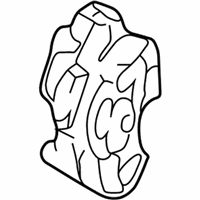
Related Chevrolet Monte Carlo Parts
 Chevrolet Monte Carlo ABS Control Module
 Chevrolet Monte Carlo ABS Sensor
 Chevrolet Monte Carlo ABS Wheel Speed Sensor Connector
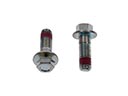 Chevrolet Monte Carlo Brake Caliper Bolt
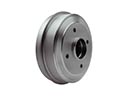 Chevrolet Monte Carlo Brake Drum
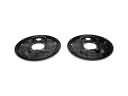 Chevrolet Monte Carlo Brake Dust Shields
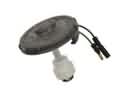 Chevrolet Monte Carlo Brake Fluid Level Sensor
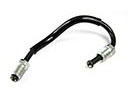 Chevrolet Monte Carlo Brake Line
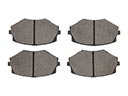 Chevrolet Monte Carlo Brake Pad
 Chevrolet Monte Carlo Parking Brake Cable
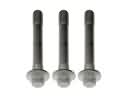 Chevrolet Monte Carlo Wheel Hub Bolt
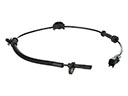 Chevrolet Monte Carlo Wheel Speed Sensor