ChevyParts
My Garage
My Account
Cart
OEM Chevrolet Cylinder Head
Head- Select Vehicle by Model
- Select Vehicle by VIN
Select Vehicle by Model
orMake
Model
Year
Select Vehicle by VIN
For the most accurate results, select vehicle by your VIN (Vehicle Identification Number).
204 Cylinder Heads found
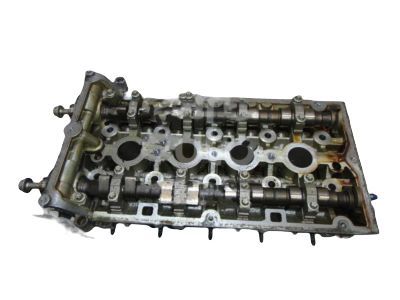
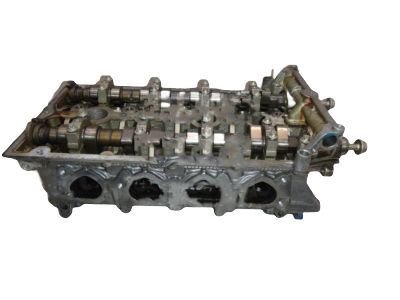
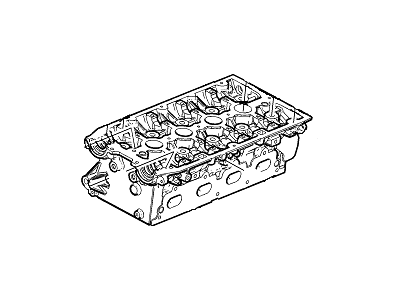
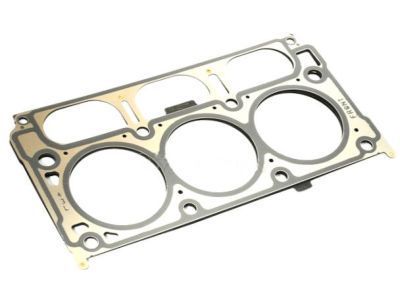
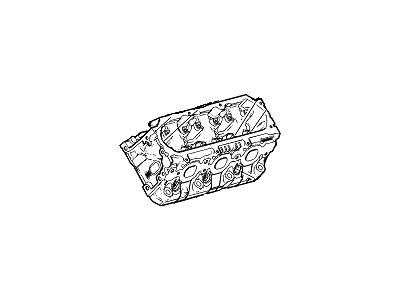
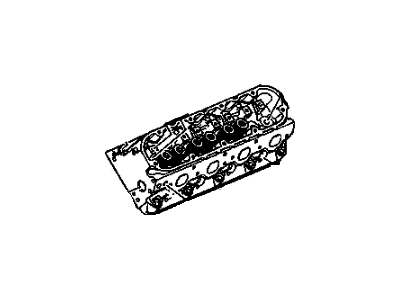
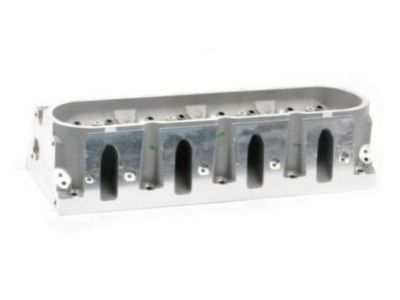
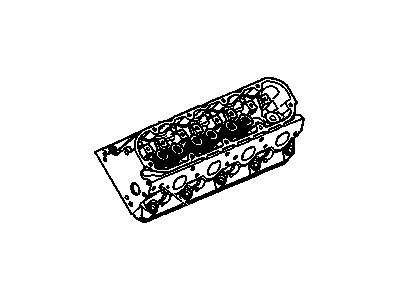
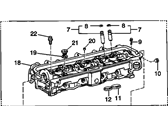
Chevrolet Cylinder Head Part Number: 55576728
$1047.88 MSRP: $1723.59You Save: $675.71 (40%)Product Specifications- Other Name: Head Assembly-Cylinder (W/Valve); Head, Engine Cylinder
- Replaces: 55581887, 55582696, 25194526
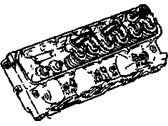
Chevrolet Cylinder Head Part Number: 12629342
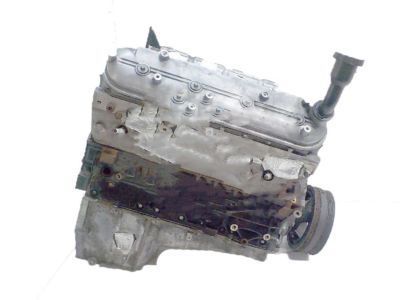
$531.46 MSRP: $843.79You Save: $312.33 (38%)Ships in 1-3 Business DaysProduct Specifications- Other Name: Head Assembly-Cylinder; Head, Engine Cylinder
- Replaced by: 12677840
Chevrolet Cylinder Head Part Number: 12629058
$1290.42 MSRP: $2048.32You Save: $757.90 (37%)Ships in 1-2 Business DaysProduct Specifications- Other Name: Head, Engine Cylinder
- Replaced by: 12746921
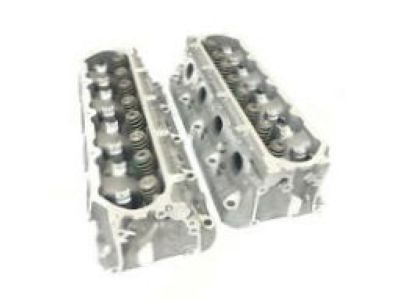
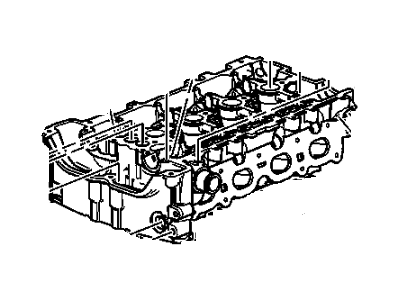
Chevrolet Cylinder Head Part Number: 12624549
$433.64 MSRP: $679.82You Save: $246.18 (37%)Ships in 1-3 Business DaysProduct Specifications- Other Name: Head Assembly-Cylinder (Service Partial); Head, Engine Cylinder
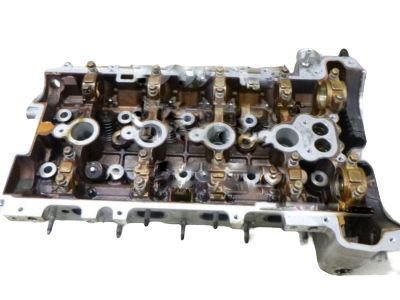
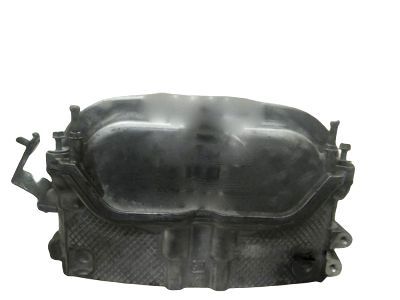
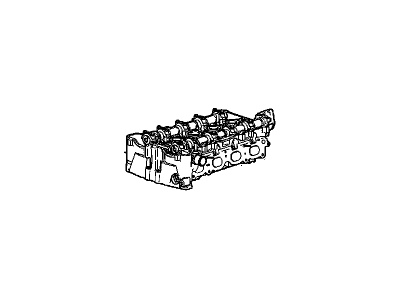
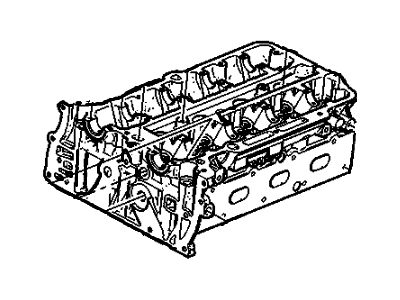
Chevrolet Cylinder Head, Green Line Part Number: 12624550
$620.86 MSRP: $1020.17You Save: $399.31 (40%)Ships in 1-2 Business DaysProduct Specifications- Other Name: Head, Engine Cylinder
- Replaces: 12605265
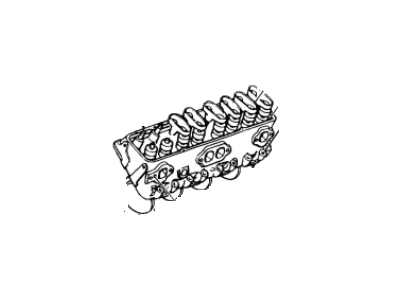
Chevrolet Cylinder Head Part Number: 55568829
$492.28 MSRP: $976.88You Save: $484.60 (50%)Ships in 1-3 Business DaysProduct Specifications- Other Name: Head, Engine Cylinder
Chevrolet Cylinder Head Part Number: 10065202
$395.07 MSRP: $734.23You Save: $339.16 (47%)Ships in 1-2 Business DaysProduct Specifications- Other Name: Head, Cylinder; Head, Engine Cylinder
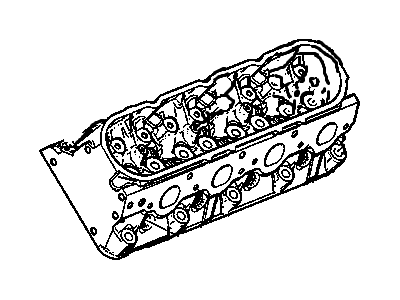
Chevrolet Cylinder Head Part Number: 12621773
$470.41 MSRP: $772.32You Save: $301.91 (40%)Ships in 1-3 Business DaysProduct Specifications- Other Name: Head Assembly-Cylinder; Head, Engine Cylinder
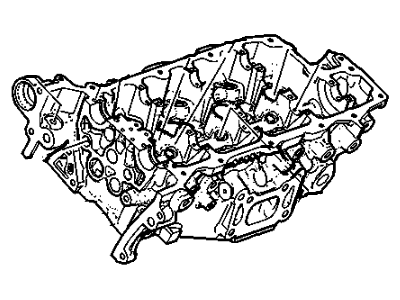
Chevrolet Cylinder Head Part Number: 12679101
$601.79 MSRP: $988.74You Save: $386.95 (40%)Ships in 1-3 Business DaysProduct Specifications- Other Name: Head, Engine Cylinder
- Replaces: 12635547
Chevrolet Cylinder Head Part Number: 12641093
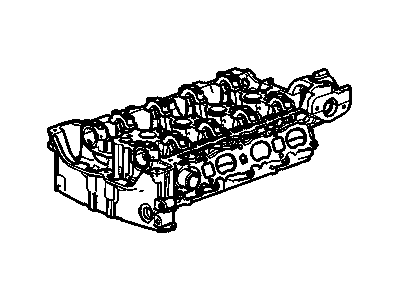
$623.51 MSRP: $1024.53You Save: $401.02 (40%)Ships in 1-3 Business DaysProduct Specifications- Other Name: Head, Cylinder (W/Vlvs); Head, Engine Cylinder
- Replaces: 12635559
Chevrolet Cylinder Head Part Number: 12616487
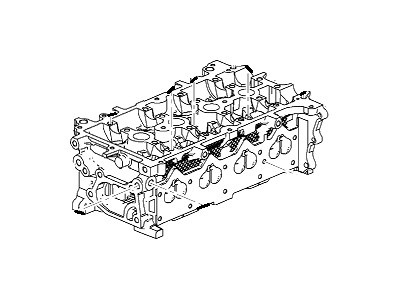
$668.99 MSRP: $1099.42You Save: $430.43 (40%)Ships in 1-3 Business DaysProduct Specifications- Other Name: Head, Engine Cylinder
- Replaces: 12622906
Chevrolet Cylinder Head Part Number: 25195269
$802.14 MSRP: $1318.76You Save: $516.62 (40%)Ships in 1-3 Business DaysProduct Specifications- Other Name: Head Assembly-Cylinder (Machining); Head, Engine Cylinder
- Replaces: 25192617, 96990181
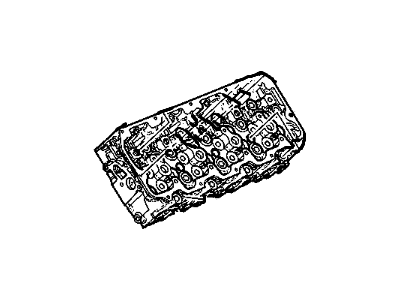
Chevrolet Cylinder Head Part Number: 12690607
$1584.33 MSRP: $2609.87You Save: $1025.54 (40%)Ships in 1-3 Business DaysProduct Specifications- Other Name: Head Assembly-Cylinder (Machining); Head, Engine Cylinder
- Replaces: 12670434, 12623949, 12646217
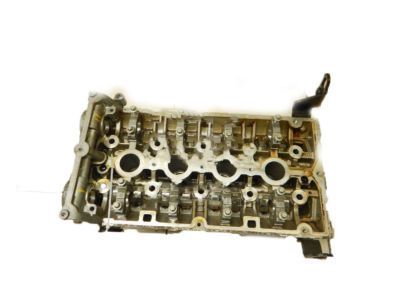
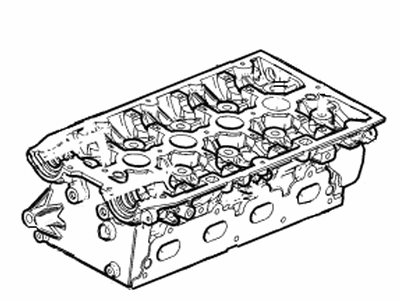
Chevrolet Cylinder Head Part Number: 55582695
$510.17 MSRP: $806.33You Save: $296.16 (37%)Product Specifications- Other Name: Head, Engine Cylinder
- Replaces: 55572014, 25194529
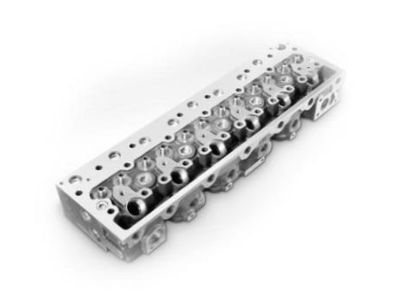
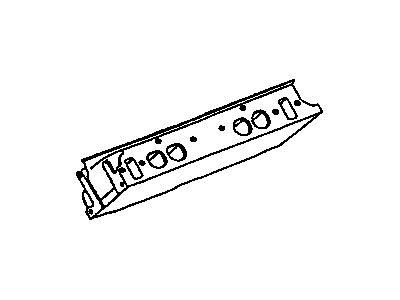
Chevrolet Cylinder Head Part Number: 12641701
$446.88 MSRP: $703.82You Save: $256.94 (37%)Product Specifications- Other Name: Head Kit, Engine Cylinder; Head, Engine Cylinder
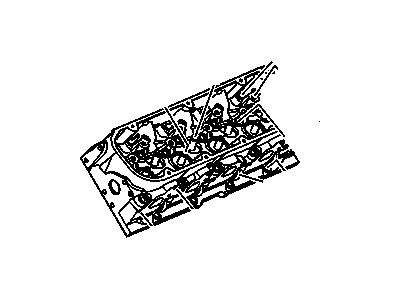
Chevrolet Cylinder Head Part Number: 12578925
$540.94 MSRP: $854.96You Save: $314.02 (37%)Product Specifications- Other Name: Head, Engine Cylinder
- Replaces: 12563680, 12559864
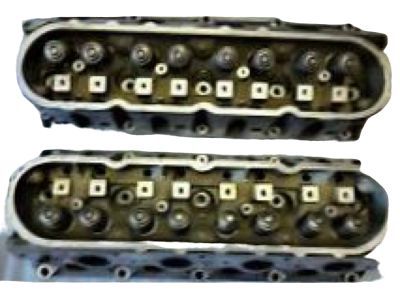
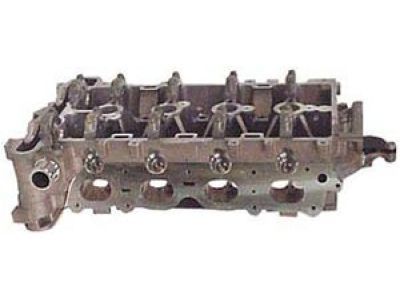
Chevrolet Cylinder Head Part Number: 12629049
$547.62 MSRP: $865.53You Save: $317.91 (37%)Product Specifications- Other Name: Head Assembly-Cylinder
- Replaces: 12564825, 12615363
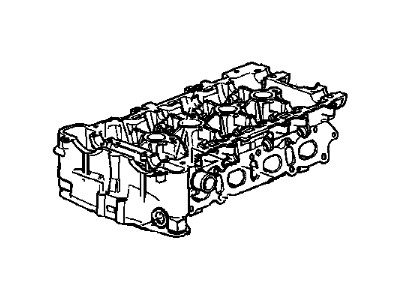
Chevrolet Cylinder Head Part Number: 12593736
Product Specifications- Other Name: Head, Engine Cylinder
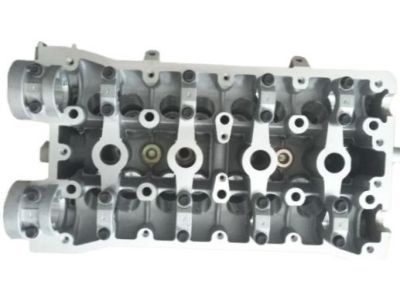
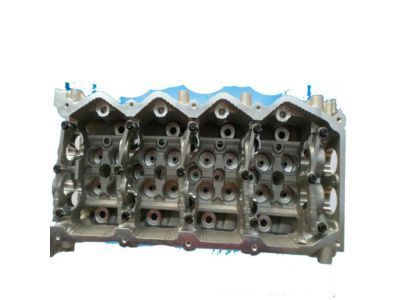
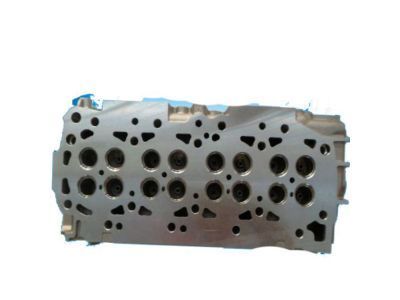
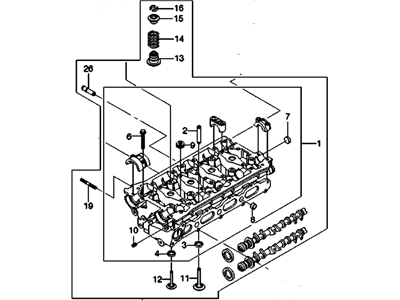
Chevrolet Cylinder Head Part Number: 96389035
Product Specifications- Other Name: Head, Engine Cylinder
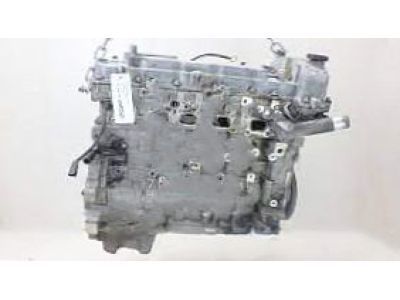
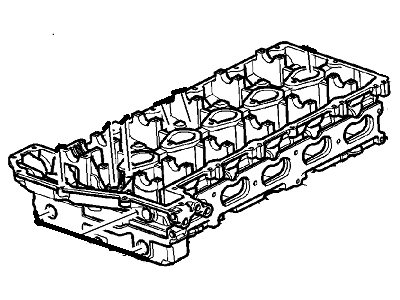
Chevrolet Cylinder Head Part Number: 19206641
Product Specifications- Other Name: Head, Cylinder (W/Vlvs); Head, Engine Cylinder
| Page 1 of 11 |Next >
1-20 of 204 Results
Chevrolet Cylinder Head
Choose OEM Cylinder Head, you're making the optimal decision for superior quality and perfect performance. You can feel confident because each component goes through stringent quality checks. Every part is carefully built to comply with Chevrolet's factory specifications. You'll enjoy a smooth, worry-free installation that fits just right. At ChevyPartsDeal.com, you'll find it easy to get top-quality OEM Chevrolet Cylinder Head. You can shop at highly competitive prices and protect your budget. All our genuine Chevrolet parts include a dependable manufacturer's warranty. You'll also appreciate our straightforward return policy and swift delivery services for extra convenience.
Chevrolet Cylinder Head directs the mixture at a rapid speed in the process and maintains the combustion cool to produce more power, which is stronger and lasting. Chevrolet was started in 1911 and it soon developed a reputation of assuring cars that were gutsy and affordable to ordinary people. The drivers had faith in the logo when they were transporting goods across the country, when they were traveling at night, and when they were working in the backyard. Chevy also remained abreast with the shifting roads by stuffing its line with powerful engines and easy controls. In half-ton pickups all the way to agile compacts, the cabins remain spacious, the styling identifiably bold. Chevy also introduced such modern features as Super Cruise to make long journeys less exhausting. Versatility is still valued by the company as a single badge can be applied to cover weekend fun, daily errands, and heavy work. The very recent Cylinder Head has a lightweight aluminum casting that removes heat quickly, sheds weight, and provides the valves with a less turbulent route as the exhaust gases leave the engine unceremoniously. Chevrolet closes this system with Torque-to-Yield bolts, which prevent leakage before it occurs and reduce the chances of warping due to heavy load. Properly designed Cylinder Head also works out to fit with built-in intake passages, extracting more torque with each drop of fuel. The fact that it is durable translates to fewer tune-ups as well as spending more time with throttle.
Chevrolet Cylinder Head Parts and Q&A
- Q:How Should the Cylinder Head and Pistons Be Decarbonized and Inspected on Chevrolet Nova?A:Decarbonizing can be performed with the engine either in or out of the car. With the cylinder head removed, carefully eliminate all carbon deposits from the combustion spaces and ports using a blunt scraper or wire brush, ensuring the valve head stems and guides are also cleared. Clean the combustion areas and ports with solvent, and scrape the cylinder head surface free of any foreign matter. If the pistons remain in the block, take care to prevent carbon from entering the cylinder bores to avoid scratching the walls or damaging the piston and rings; turn the crankshaft to position two pistons at the top, stuff rags into the other bores, and cover the waterways with masking tape. Apply a little grease between the cylinder walls and the two pistons being worked on, then carefully scrape the carbon from the piston crown and surrounding cylinder wall lip, ensuring not to scratch the aluminum. After removing all carbon, clean away the contaminated grease without pushing any into the bores, then rotate the crankshaft to position the next two pistons at the top and repeat the process until all cylinders are decarbonized. Inspect the cylinder head for cracks in the exhaust ports and combustion chambers, as well as external cracks into the water chambers. Check the head gasket mating surface for warpage using a straightedge and feeler gauge; if warpage exceeds the specified limit, resurfacing is necessary. Examine the rocker arm studs for wear and damage, and for big-block VB cylinder heads, inspect the pushrod guides as well. For big-block VB and some high-performance small-block VB heads, the pushrod guides are secured by nuts on the rocker arm studs, which can be unscrewed for guide replacement; coat the replacement stud with gasket sealant and torque tighten. In small-block VB engines, the studs are pressed in, and replacement requires specialist operations involving reaming the stud holes slightly oversize, lubricating the new studs with hypoid axle oil, and pressing them in to their original depth.
- Q:What are the steps and considerations involved in overhauling cylinder heads in V8 engine on Chevrolet Caprice?A:Original cylinder heads as well as new and re-manufactured ones are easily found in the market with dealerships and auto parts stores offering them. Because of the heuristic nature of the technique required to disassemble and inspect the heads, and because spare parts may not be easily available, it might be most cost effective for the home mechanic to buy new heads and swap them. In the case that one does not have workshop facilities, the cylinder heads may be transported to a professional automotive machine or to a GM dealer for the overhaul process. It is however advisable to take much care in the event that the complete engine is being overhauled at the same instance. Therefore if the decision is made to redo the cylinder heads it is good to know some of the procedures that are involved together with the tools used and replacement materials required. First of all, you need to employ a valve spring compressor to compress the spring and remove the valve locking keys; and do it individually for each valve. When the keys are produced, let go of the spring and pull out the spring cap, spring shield (if any), spring, and spring damper; these go into number box or holder used in the course of cylinder head removal as they are all valve mechanism composites. Then, take off the oil seals from the stem of each valve and be sure to use new ones when reinstalling; or if present, any spring shims at the bottom of the valve spring should also be withdrawn. Last of all there is valve mechanism removal, and each valve should be pulled out individually and placed in the numbered box or rack to avoid making confusion between the number one and the number two valve, and all the valve components.
Related Chevrolet Parts
 Chevrolet Balance Shaft Bearing
 Chevrolet Cam Gear
 Chevrolet Camshaft Seal
 Chevrolet Crankshaft Gear
 Chevrolet Exhaust Valve
 Chevrolet Lash Adjuster
 Chevrolet Rocker Arm
 Chevrolet Timing Belt Tensioner
 Chevrolet Timing Chain Tensioner
 Chevrolet Timing Idler Gear
 Chevrolet Valve Cover Gasket
 Chevrolet Valve Cover Grommet
Browse Chevrolet Cylinder Head by Models
Nova S10 Colorado C10 Tahoe Cruze Malibu Camaro Equinox Impala SS SSR Avalanche Silverado 1500 Silverado 2500 HD Caprice Cobalt Suburban Traverse Blazer HHR Sonic Tracker Volt K10 Spark Trax Trailblazer Astro Cavalier Corvette C20 Aveo Beretta C1500 C2500 C30 C3500 Celebrity City Express Corsica Express 1500 Express 2500 Express 3500 G10 G20 G30 K1500 K20 K2500 K30 K3500 K5 Blazer Lumina Metro Monte Carlo Prizm S10 Blazer Silverado 2500 Uplander Venture Lumina APV Silverado 3500 Suburban 1500 Trailblazer EXT Avalanche 1500 Avalanche 2500 Aveo5 C10 Suburban C1500 Suburban C20 Suburban C2500 Suburban Captiva Sport Cruze Limited Impala Limited K10 Suburban K1500 Suburban K20 Suburban K2500 Suburban R10 R10 Suburban R1500 Suburban R20 R20 Suburban R2500 R2500 Suburban R30 R3500 Silverado 1500 Classic Silverado 1500 HD Silverado 1500 LTD Silverado 2500 HD Classic Silverado 3500 Classic Silverado 3500 HD Spectrum Suburban 2500 Suburban 3500 HD Traverse Limited V10 V10 Suburban V1500 Suburban V20 V20 Suburban V2500 Suburban V30 V3500