ChevyParts
My Garage
My Account
Cart
OEM Chevrolet Avalanche 2500 Brake Pad
Disc Brake Pad Set- Select Vehicle by Model
- Select Vehicle by VIN
Select Vehicle by Model
orMake
Model
Year
Select Vehicle by VIN
For the most accurate results, select vehicle by your VIN (Vehicle Identification Number).
4 Brake Pads found
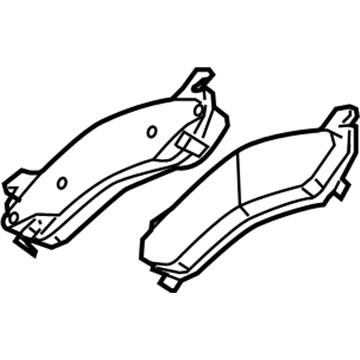
Chevrolet Avalanche 2500 Brake Pads, Front Part Number: 19432941
$118.76 MSRP: $250.06You Save: $131.30 (53%)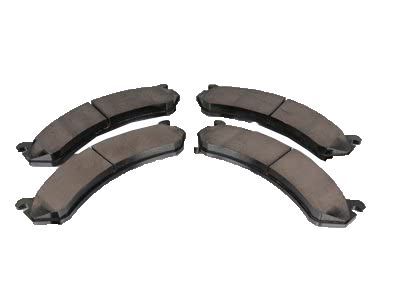
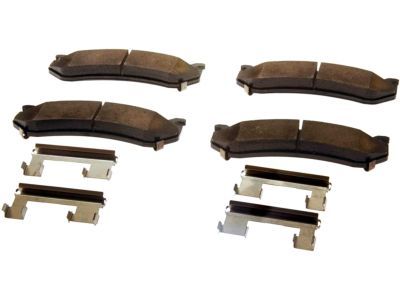
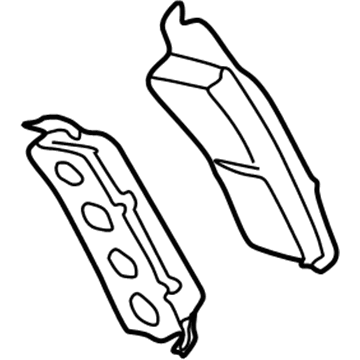
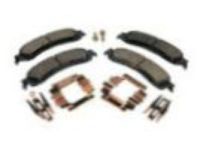
Chevrolet Avalanche 2500 Brake Pads Part Number: 19210705
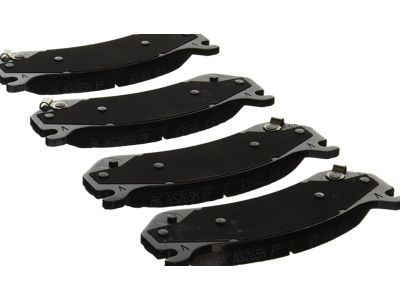
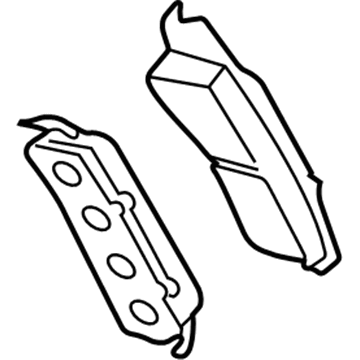
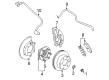
Chevrolet Avalanche 2500 Brake Pads, Front Part Number: 18048101
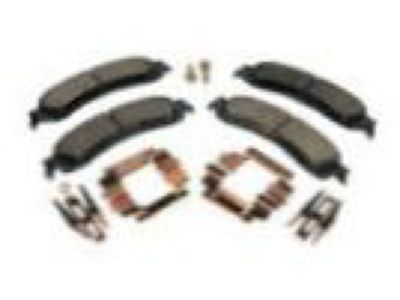
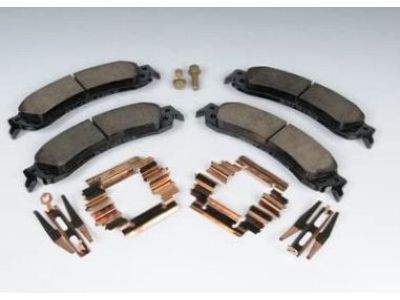
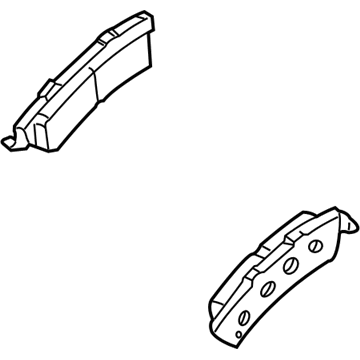
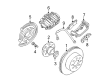
Chevrolet Avalanche 2500 Brake Pads Part Number: 18045936
Chevrolet Avalanche 2500 Brake Pad
Want to cut long-term maintenance and repair costs? Choose OEM Brake Pad. Those parts deliver top durability you can trust. On our site, you'll find a huge catalog of genuine Chevrolet Avalanche 2500 parts. Prices are unbeatable, so you can keep more in your pocket. Every OEM Chevrolet Avalanche 2500 Brake Pad includes a manufacturer's warranty. You can also get an easy return policy that keeps buying risk free. Fast delivery, get your car on the road quickly. It's simple to search, compare, and order. Stop guessing about quality or fit. Order today and save with parts that last.
Chevrolet Avalanche 2500 Brake Pad Parts and Q&A
- Q: How to replace the rear brake pads on Chevrolet Avalanche 2500?A:Check the fluid level in the brake master cylinder reservoir before work. If brake fluid is at midpoint between maximum mark and minimum line, do not drain excess fluid but if the level is above midpoint drain to reach that level. Lift up the vehicle to create position and take off the tire and wheel set. Test the caliper function and press a c-clamp against it so the pistons will move down, readjust the c-clamp until all moving is complete. Secure the brake caliper with heavy mechanic's wire when removing it from its mount to protect the hydraulic flexible brake hose. Check the caliper assembly components without detaching the hydraulic brake hose from its mount. Take out brake pads and dispose of anti-rattle clips from the brake caliper mounting bracket. Place new anti-rattle clips on Brake Caliper Bracket to install, then put brake pads in place by arranging wear indicator for the inner pad-1 and outer pad-2 directly. Put back the brake caliper to its bracket first then add the wheel and tire below and park the car. Press the brake pedal only half-way down with the engine turned off before releasing it slowly. Press the brake pedal every 15 seconds to set the brake caliper pistons until you feel a solid brake pedal response. Complete the brake fluid reservoir with new fluid after placing the brake pads and rotors through the burnishing process.
- Q: How to replace the front brake pads on Chevrolet Avalanche 2500?A:Begin by checking the brake master cylinder reservoir for fluid level before starting front Brake Pad replacement. The fluid level should be situated midway between markings on the brake master cylinder reservoir tank to avoid removal yet relocate it towards the midway if the level becomes excessive. Lift your vehicle while supporting its frame and remove the tire and wheel assembly from beneath the vehicle. When the hydraulic flexible brake hose stays connected to the caliper mount during service the technician needs to support the brake caliper with heavy mechanic's wire or equivalent until it separates from its mount to avoid damaging or leaking components. Separate the caliper from the mounting bracket keeping the hydraulic brake flexible hose intact before removing the brake pads from the caliper mounting bracket and eliminating the anti-rattle clips. The installation of anti-rattle clips must begin inside the caliper mounting bracket as well as inside the new brake pads while placing the inner pad-1 wear indicator and outer pad-2 wear indicators. After installing the brake caliper place the tire and wheel assembly back on then remove the safety stands before lowering the vehicle. Use the brake pedal gradually until you reach two-thirds of its extent and slowly let go of the pedal before repeating this procedure to achieve proper Brake Caliper Piston and Brake Pad seat. The last step involves adding pristine brake fluid at its specified measurements followed by rotor and Brake Pad surface smoothening.
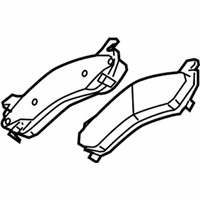
Related Chevrolet Avalanche 2500 Parts
 Chevrolet Avalanche 2500 ABS Control Module
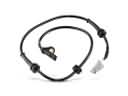 Chevrolet Avalanche 2500 ABS Sensor
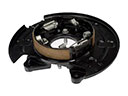 Chevrolet Avalanche 2500 Brake Backing Plate
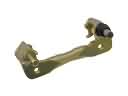 Chevrolet Avalanche 2500 Brake Caliper Bracket
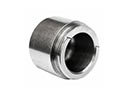 Chevrolet Avalanche 2500 Brake Caliper Piston
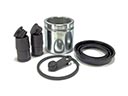 Chevrolet Avalanche 2500 Brake Caliper Repair Kit
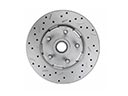 Chevrolet Avalanche 2500 Brake Disc
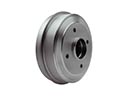 Chevrolet Avalanche 2500 Brake Drum
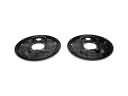 Chevrolet Avalanche 2500 Brake Dust Shields
 Chevrolet Avalanche 2500 Hydraulic Hose
 Chevrolet Avalanche 2500 Wheel Hub
 Chevrolet Avalanche 2500 Wheel Speed Sensor