ChevyParts
My Garage
My Account
Cart
OEM Saturn SC2 Oxygen Sensor
Oxygen O2 Sensor- Select Vehicle by Model
- Select Vehicle by VIN
Select Vehicle by Model
orMake
Model
Year
Select Vehicle by VIN
For the most accurate results, select vehicle by your VIN (Vehicle Identification Number).
6 Oxygen Sensors found
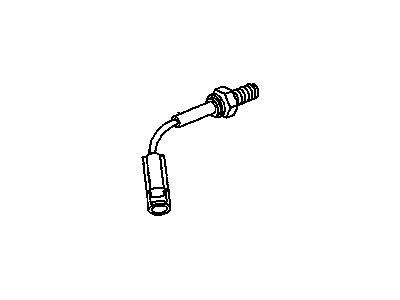
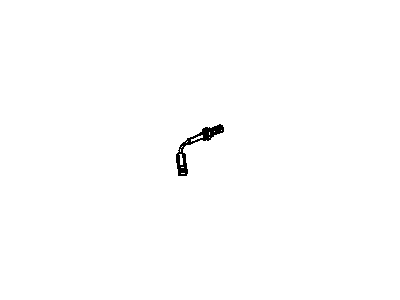
Saturn SC2 Oxygen Sensor Part Number: 21022987
$48.41 MSRP: $87.60You Save: $39.19 (45%)Ships in 1-2 Business Days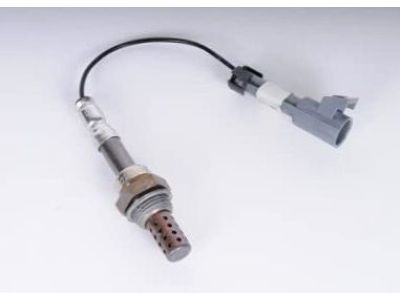
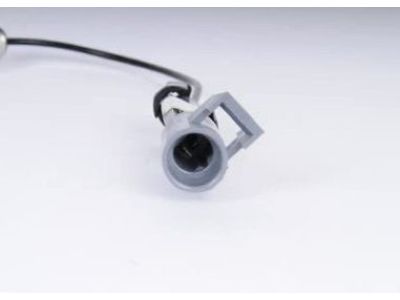
Saturn SC2 Oxygen Sensor Part Number: 21025117
$21.25 MSRP: $37.93You Save: $16.68 (44%)
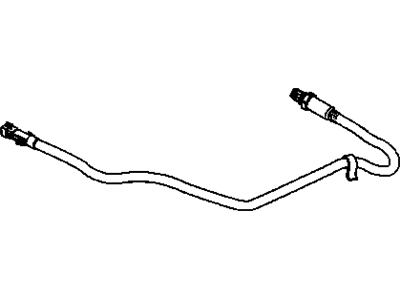
Saturn SC2 Oxygen Sensor Part Number: 21022009
Saturn SC2 Oxygen Sensor Part Number: 21024460
Saturn SC2 Oxygen Sensor Part Number: 21020136
Saturn SC2 Oxygen Sensor Part Number: 25312198
Saturn SC2 Oxygen Sensor
Want to cut long-term maintenance and repair costs? Choose OEM Oxygen Sensor. Those parts deliver top durability you can trust. On our site, you'll find a huge catalog of genuine Saturn SC2 parts. Prices are unbeatable, so you can keep more in your pocket. Every OEM Saturn SC2 Oxygen Sensor includes a manufacturer's warranty. You can also get an easy return policy that keeps buying risk free. Fast delivery, get your car on the road quickly. It's simple to search, compare, and order. Stop guessing about quality or fit. Order today and save with parts that last.
Saturn SC2 Oxygen Sensor optimizes combustion by constantly sending the engine computer data which keeps the air fuel mix efficient for lively performance and low emissions. The sporty Saturn debuted with a 1.9 liter DOHC engine producing 123 horsepower, a number which combined with the slick MP3 five speed manual or optional MP7 automatic to provide rapid acceleration and respectable mileage, along with later revisions to the SC2 that added roomier interiors, sleeker styling and integrated control modules that sharpened diagnostics and boosted reliability. Because Saturn SC2 is built on the unique Z-body platform, engineers calibrated its suspension and steering to give it a nimble cornering feel, and owners love the fact that true parts keep the factory balance intact, with good fuel efficiency and long-term value for the Saturn SC2 compact coupe. Regular maintenance is the key to keeping sensors, gaskets and electronic modules working in harmony to maintain that car's spirited feel even after many years on the road. The SC2 Oxygen Sensor is in the exhaust stream and detects the leftover oxygen, creating a voltage signal that allows the control module to adjust the injector pulses, stabilize idle, protect the catalytic converter and reduce pollutants, making it crucial to peak efficiency. This Oxygen Sensor unit utilizes long service life, durable zirconia elements and accurate feedback upstream and downstream of the catalyst. To install new Saturn Oxygen Sensor cool the exhaust, disconnect battery, unplug harness, remove old unit using O2 socket, apply anti-seize to threads, hand thread new replacement, tighten wiring and battery, clear codes, and road test.
Related Saturn SC2 Parts
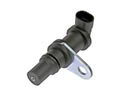 Saturn SC2 Crankshaft Position Sensor
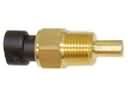 Saturn SC2 Coolant Temperature Sensor
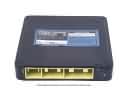 Saturn SC2 Engine Control Module
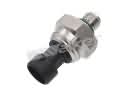 Saturn SC2 Fuel Pressure Sensor
 Saturn SC2 Fuel Pump Gasket
 Saturn SC2 Fuel Tank
 Saturn SC2 Igniter
 Saturn SC2 Intake Manifold Temperature Sensor
 Saturn SC2 Knock Sensor
 Saturn SC2 MAP Sensor
 Saturn SC2 Speed Sensor
 Saturn SC2 Throttle Position Sensor