ChevyParts
My Garage
My Account
Cart
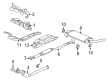
OEM Saturn Ion Exhaust Manifold
Engine Exhaust Manifold- Select Vehicle by Model
- Select Vehicle by VIN
Select Vehicle by Model
orMake
Model
Year
Select Vehicle by VIN
For the most accurate results, select vehicle by your VIN (Vehicle Identification Number).
5 Exhaust Manifolds found
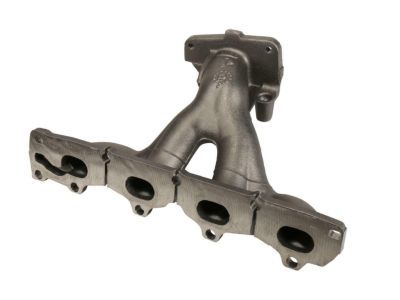
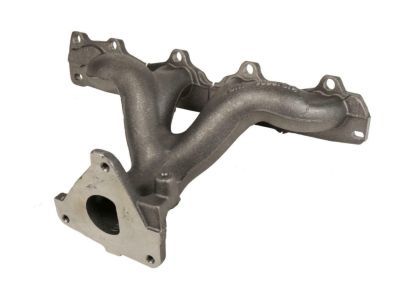
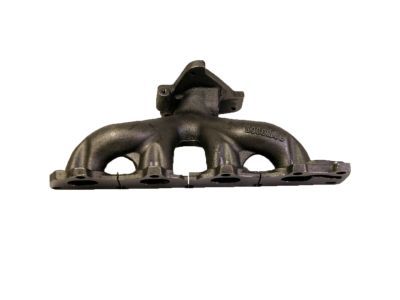
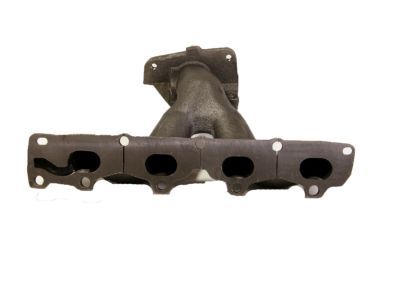
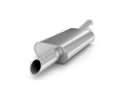
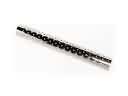
Saturn Ion Exhaust Manifold Part Number: 90537679
$164.90 MSRP: $333.96You Save: $169.06 (51%)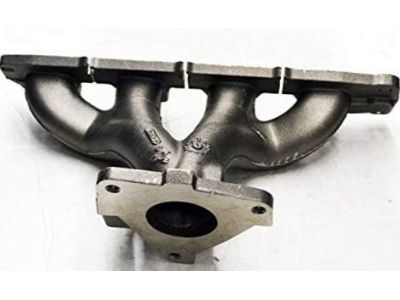
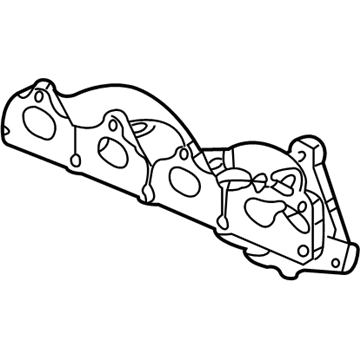
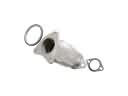
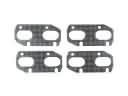
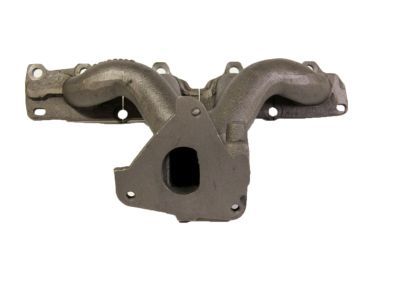
Saturn Ion Exhaust Manifold Part Number: 12581284
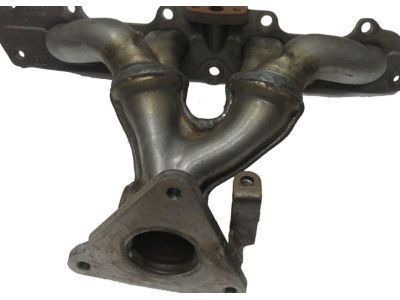
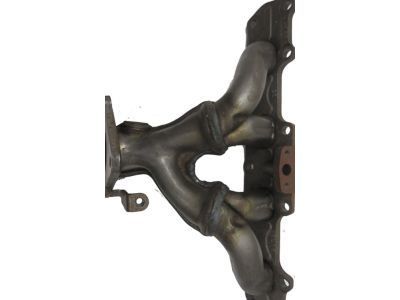
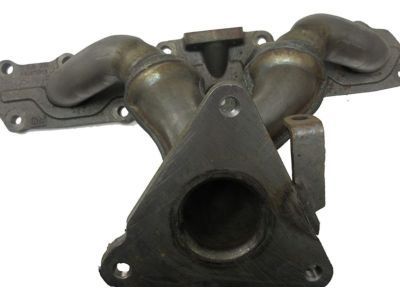
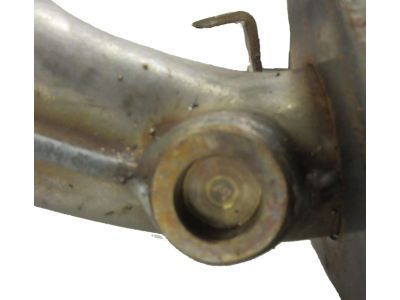
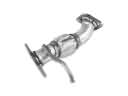
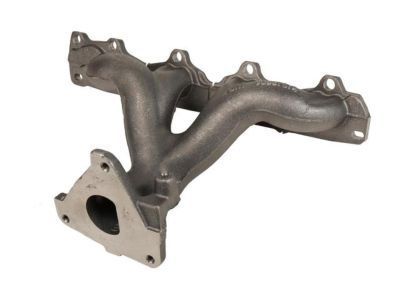
Saturn Ion Exhaust Manifold Part Number: 12606805
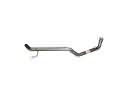
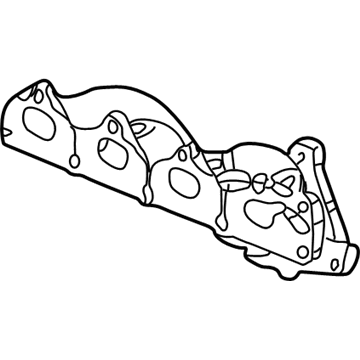
Saturn Ion Exhaust Manifold Part Number: 12606689

Saturn Ion Exhaust Manifold Part Number: 90537861
Saturn Ion Exhaust Manifold
Want to cut long-term maintenance and repair costs? Choose OEM Exhaust Manifold. Those parts deliver top durability you can trust. On our site, you'll find a huge catalog of genuine Saturn Ion parts. Prices are unbeatable, so you can keep more in your pocket. Every OEM Saturn Ion Exhaust Manifold includes a manufacturer's warranty. You can also get an easy return policy that keeps buying risk free. Fast delivery, get your car on the road quickly. It's simple to search, compare, and order. Stop guessing about quality or fit. Order today and save with parts that last.
Saturn Ion Exhaust Manifold efficiently diverts hot combustion gases from the engine, which supports power and cabin noise is low. Saturn introduced the Ion as a new compact in 2003 and offered its drivers a spirited 2.2L Ecotec I4 with a balance of 145 horsepower and decent fuel economy, or the spirited Red Line version that produced an impressive 205 horsepower from its supercharger and reached 60 mph from a standstill in just 6.7 seconds. Saturn combined style and practicality, with the option of a smooth five-speed manual or optional four-speed automatic (later changing to the sturdier 4T45-E) and the brand cushioned each ride with Quiet Steel panels with an acoustic barrier for a hushed interior. Saturn owners are fond of the Ion for reliable OEM parts, simple maintenance and a design that has aged well, which makes these cars popular on the applied market. The Exhaust Manifold on the Ion is made of cast iron or stainless steel and functions as a collector that bolts to each cylinder, combines the individual pulses into a single stream, reduces back pressure, controls heat, and aids in emission control, and performance headers or ceramic coatings can further refine flow. The Exhaust Manifold is crucial for optimal engine performance. Replacing an Exhaust Manifold is a simple task if done in methodical order, by first cooling down the engine and disconnecting the battery, removing shields and sensors, loosening hardware, replacing gaskets, fitting the new unit, hand-starting bolts, torquing in sequence, reattaching the downpipe, reconnecting sensors, reattaching shields, and testing for leaks.