ChevyParts
My Garage
My Account
Cart
OEM Saturn Engine Torque Strut Mount
Engine Mount Torque Strut- Select Vehicle by Model
- Select Vehicle by VIN
Select Vehicle by Model
orMake
Model
Year
Select Vehicle by VIN
For the most accurate results, select vehicle by your VIN (Vehicle Identification Number).
6 Engine Torque Strut Mounts found
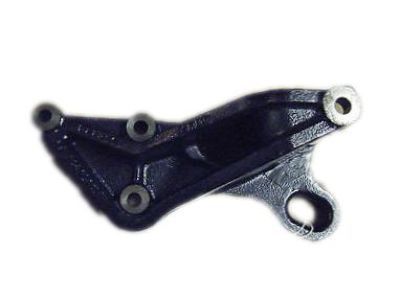
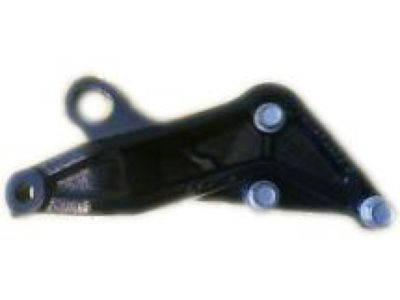
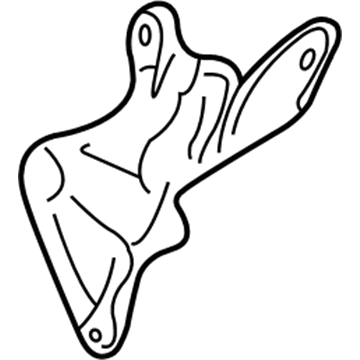
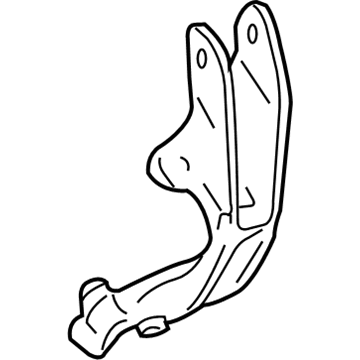
Saturn Mount Bracket Part Number: 12594433
$30.60 MSRP: $61.44You Save: $30.84 (51%)Product Specifications- Other Name: Bracket-Engine Mount Strut & Engine Lift; Engine Mount Bracket; Transmission Mount; Motor Mount
- Replaces: 10154776, 12570320
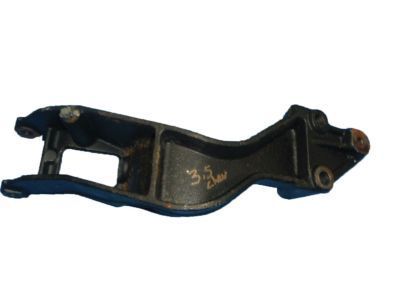
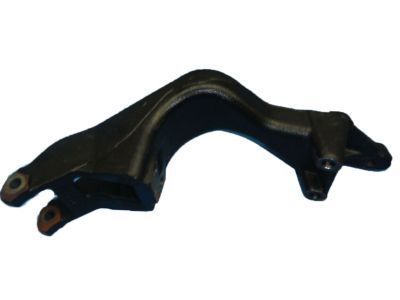
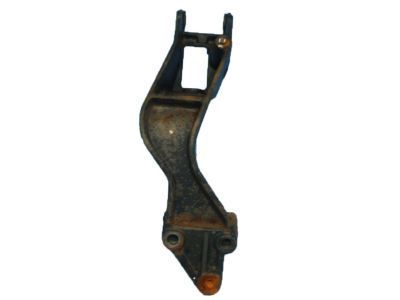
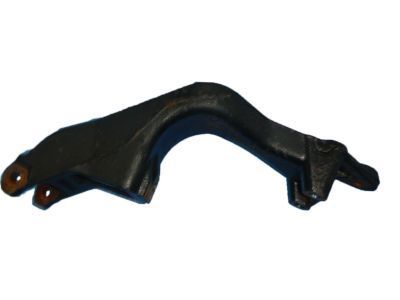
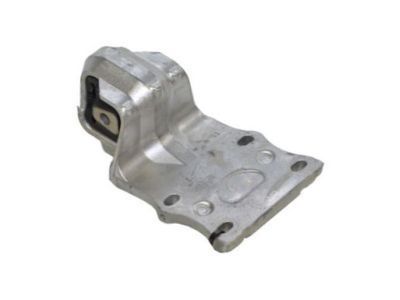
Saturn Strut Bracket, Passenger Side Part Number: 12577766
$28.54 MSRP: $40.55You Save: $12.01 (30%)Ships in 1-2 Business DaysProduct Specifications- Other Name: Bracket, Engine Mounting; Engine Mount Bracket; Motor Mount
- Position: Passenger Side
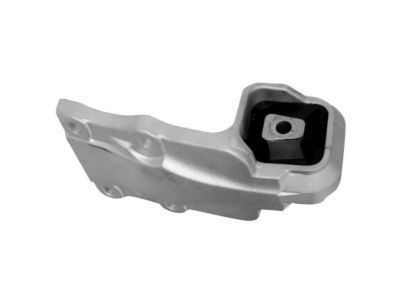
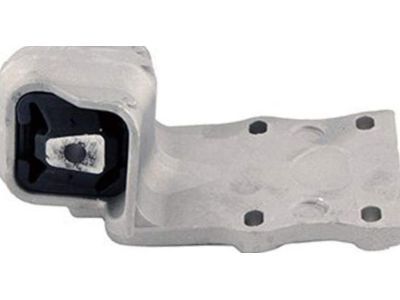
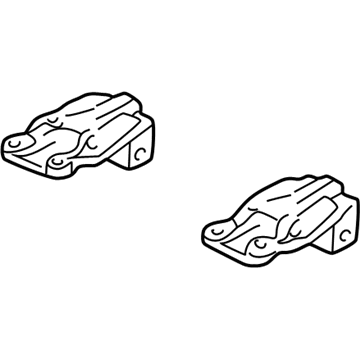
Saturn Strut Bracket Part Number: 10274661
$177.35 MSRP: $301.93You Save: $124.58 (42%)Ships in 1-3 Business DaysProduct Specifications- Other Name: Bracket, Engine Mounting; Engine Torque Strut Mount; Engine Mount Bracket; Motor Mount; Strut Front Bracket; Engine Mount
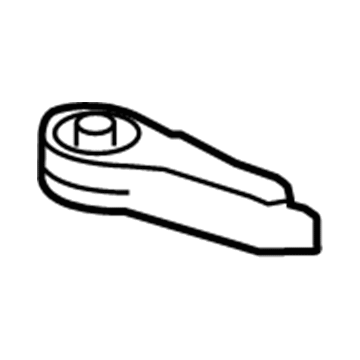
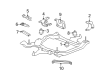
Saturn Strut Bracket Part Number: 23197326
$127.37 MSRP: $222.21You Save: $94.84 (43%)Ships in 1-2 Business DaysProduct Specifications- Other Name: Bracket, Engine Lift; Engine Mount Torque Strut; Engine Mount Bracket; Motor Mount; Side Bracket; Strut; Bracket, Engine Mounting
- Replaces: 25840457

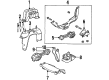
Saturn Mount Bracket Part Number: 21013034
Product Specifications- Other Name: Bracket, Engine Mounting; Engine Mount Bracket; Motor Mount; Strut Bracket
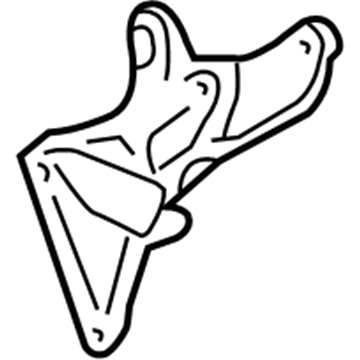
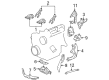
Saturn Mount Bracket, Passenger Side Part Number: 12570317
Product Specifications- Other Name: Bracket, Engine Mounting; Engine Mount Bracket; Motor Mount
- Position: Passenger Side
Saturn Engine Torque Strut Mount
Choose OEM Engine Torque Strut Mount, you're making the optimal decision for superior quality and perfect performance. You can feel confident because each component goes through stringent quality checks. Every part is carefully built to comply with Saturn's factory specifications. You'll enjoy a smooth, worry-free installation that fits just right. At ChevyPartsDeal.com, you'll find it easy to get top-quality OEM Saturn Engine Torque Strut Mount. You can shop at highly competitive prices and protect your budget. All our genuine Saturn parts include a dependable manufacturer's warranty. You'll also appreciate our straightforward return policy and swift delivery services for extra convenience.
The Saturn Engine Torque Strut Mount keeps the motor in check, giving drivers a smoother ride. Saturn cars earned a loyal following for good reason. Owners loved dent resistant plastic body panels that shrugged off parking lot dings, while lost-foam casting trimmed engine weight for spry acceleration. A durable paint process kept the glossy finish bright year after year, and these ideas showed that the brand prized long service life as much as style. Because of that solid build, many drivers still enjoy their Saturn today. Its roomy cabins, supportive seats, and gauges made daily travel relaxed, and marketing helped owners feel part of a community. Owners also loved the no haggle pricing philosophy, and the brand's approach deepened loyalty across all age groups. An Engine Torque Strut Mount, bolted between engine and frame, controls fore-aft movement during starts and shifts, cuts vibration, and shields axles from shock. When replacing an Engine Torque Strut Mount, park the Saturn on level ground, set the brake, and support the engine with a jack. Remove covers, note orientation, then back out the bolts and lift the worn mount away. Compare the new Engine Torque Strut Mount to the old one, slide it into place, start bolts by hand, tighten to spec, reinstall shields, lower the jack, and confirm everything feels solid. Recheck bolt torque after the first few miles. Finally inspect hoses and wiring so nothing is pinched, then take a test drive at city and highway speeds and listen for unusual vibration.
Related Saturn Parts
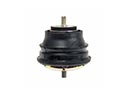 Saturn Engine Mount
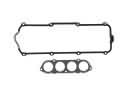 Saturn Valve Cover Gasket
 Saturn Camshaft
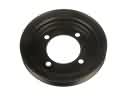 Saturn Crankshaft Pulley
 Saturn Crankshaft Thrust Washer Set
 Saturn Engine Mount Bracket
 Saturn Engine Mount Torque Strut
 Saturn Motor And Transmission Mount
 Saturn Oil Pump Rotor Set
 Saturn Rocker Shaft Spring Kit
 Saturn Timing Chain Guide
 Saturn Timing Cover Gasket