ChevyParts
My Garage
My Account
Cart
OEM Saturn Cylinder Head
Head- Select Vehicle by Model
- Select Vehicle by VIN
Select Vehicle by Model
orMake
Model
Year
Select Vehicle by VIN
For the most accurate results, select vehicle by your VIN (Vehicle Identification Number).
24 Cylinder Heads found
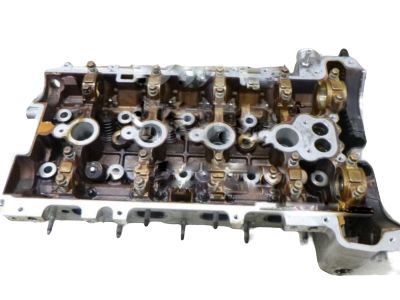
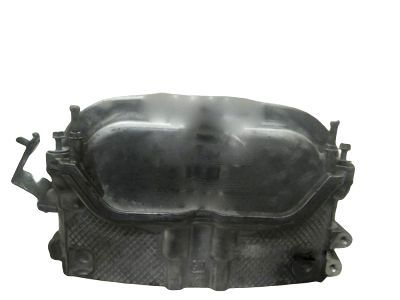
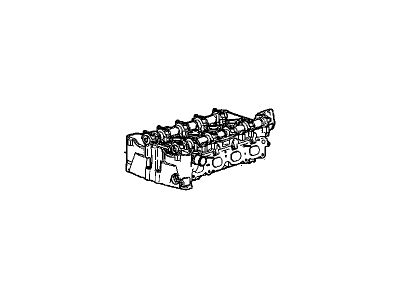
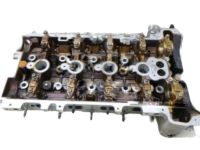
Saturn Cylinder Head, Green Line Part Number: 12624550
$620.86 MSRP: $1020.17You Save: $399.31 (40%)Ships in 1-2 Business DaysProduct Specifications- Other Name: Head, Engine Cylinder
- Replaces: 12605265
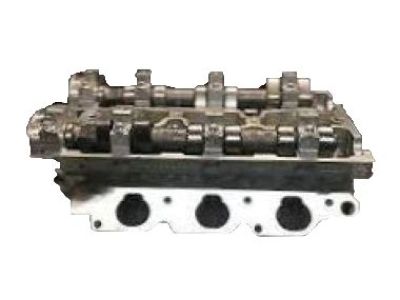
Saturn Cylinder Head Part Number: 10400185
$524.88 MSRP: $892.06You Save: $367.18 (42%)Ships in 1-2 Business DaysProduct Specifications- Other Name: Head, Engine Cylinder
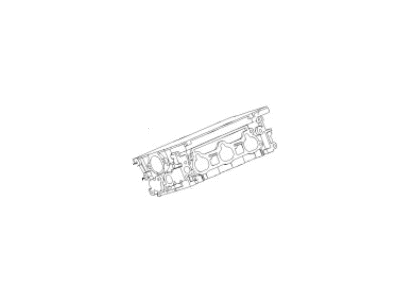
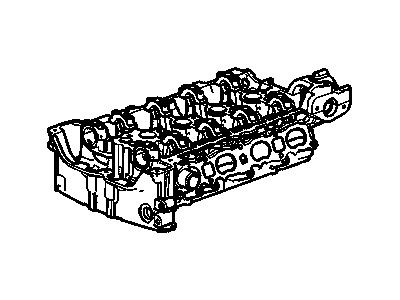
Saturn Cylinder Head Part Number: 12607018
$220.42 MSRP: $1332.15You Save: $1111.73 (84%)Ships in 1-2 Business DaysProduct Specifications- Other Name: Head Assembly, Cylinder; Head, Engine Cylinder
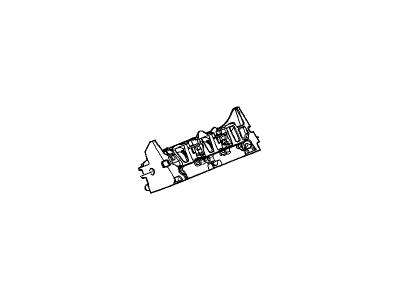
Saturn Cylinder Head Part Number: 12616487
$694.06 MSRP: $1099.42You Save: $405.36 (37%)Ships in 1-3 Business DaysProduct Specifications- Other Name: Head, Engine Cylinder
- Replaces: 12622906
Saturn Cylinder Head Part Number: 12624612
$207.63 MSRP: $339.44You Save: $131.81 (39%)Ships in 1-3 Business DaysProduct Specifications- Other Name: Head Assembly-Cylinder (Machining); Head, Engine Cylinder
- Replaces: 12594246
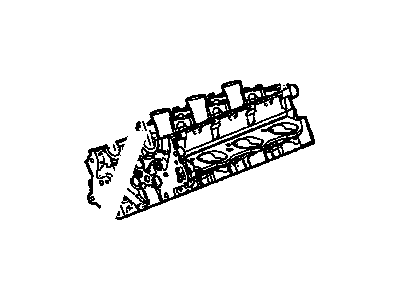
Saturn Cylinder Head Part Number: 12634223
$541.64 MSRP: $852.75You Save: $311.11 (37%)Ships in 1-3 Business DaysProduct Specifications- Other Name: Head Kit, Engine Cylinder
- Replaced by: 19301152
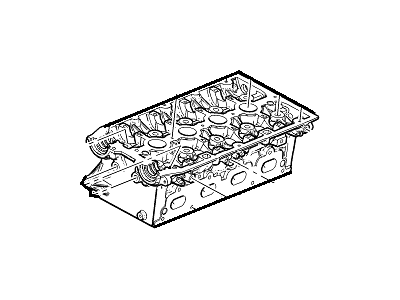
Saturn Cylinder Head Part Number: 55560773
$1228.18 MSRP: $2023.21You Save: $795.03 (40%)Ships in 1-3 Business DaysProduct Specifications- Other Name: Head, Cylinder (Machining); Head, Engine Cylinder
- Replaced by: 55581285

Saturn Cylinder Head Part Number: 12678019
$476.71 MSRP: $770.23You Save: $293.52 (39%)Ships in 1-2 Business DaysProduct Specifications- Other Name: Head Kit, Engine Cylinder
- Replaces: 12634226, 12645525, 12645527
Saturn Cylinder Head Part Number: 12634222
$288.68 MSRP: $451.74You Save: $163.06 (37%)Ships in 1-3 Business DaysProduct Specifications- Other Name: Head Kit, Cylinder
- Replaces: 12591208
Saturn Cylinder Head Part Number: 12634221
$288.68 MSRP: $451.74You Save: $163.06 (37%)Ships in 1-3 Business DaysProduct Specifications- Other Name: Head Kit, Cylinder
- Replaces: 12591209
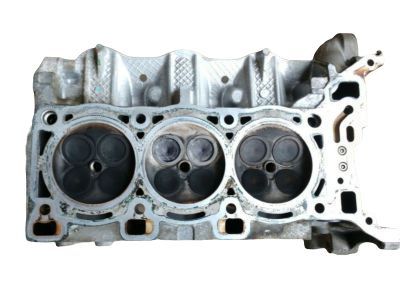
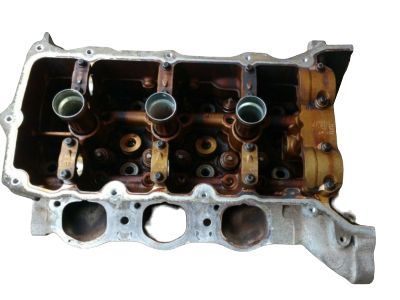
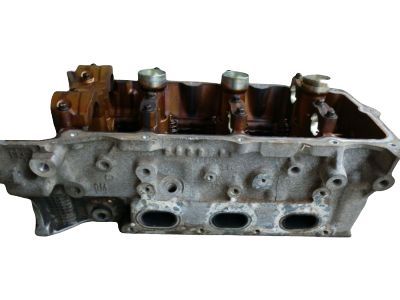
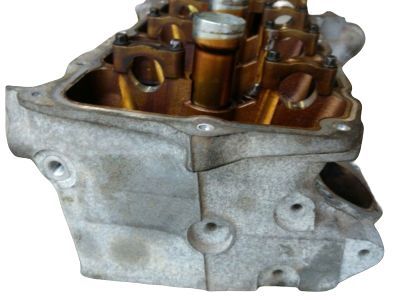
Saturn Cylinder Head Part Number: 19301151
$334.50 MSRP: $526.32You Save: $191.82 (37%)Product Specifications- Other Name: Head, Engine Cylinder
- Replaces: 12634224
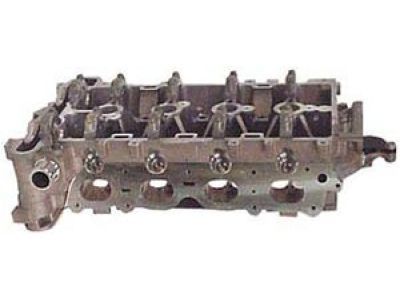
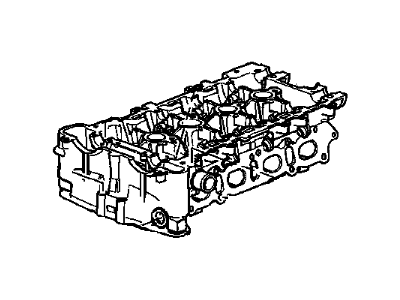
Saturn Cylinder Head Part Number: 12593736
Product Specifications- Other Name: Head, Engine Cylinder
Saturn Cylinder Head Part Number: 12645526
$864.07 MSRP: $1110.03You Save: $245.96 (23%)Product Specifications- Other Name: Head Kit, Cylinder
- Replaces: 12634225, 12645528
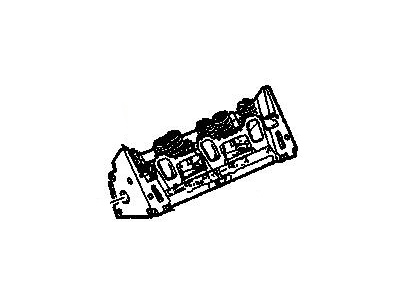
Saturn Cylinder Head Part Number: 12576694
Product Specifications- Other Name: Head Assembly-Cylinder; Head, Engine Cylinder
Saturn Cylinder Head Part Number: 21009406
Product Specifications- Other Name: Head Assembly, Cylinder (Remanufacture); Head, Engine Cylinder
Saturn Cylinder Head Part Number: 21009405
Product Specifications- Other Name: Head Assembly, Cylinder (Machining)
Saturn Cylinder Head Part Number: 21009404
Product Specifications- Other Name: Head Assembly, Cylinder (Machining); Head, Engine Cylinder
Saturn Cylinder Head Part Number: 21009319
Product Specifications- Other Name: Head Assembly, Cylinder (Machining); Head, Engine Cylinder
Saturn Cylinder Head Part Number: 12591860
Product Specifications- Other Name: Head, Engine Cylinder
- Replaces: 12584080, 24446518
Saturn Cylinder Head Part Number: 10400184
Product Specifications- Other Name: Head, Engine Cylinder
| Page 1 of 2 |Next >
1-20 of 24 Results
Saturn Cylinder Head
Choose OEM Cylinder Head, you're making the optimal decision for superior quality and perfect performance. You can feel confident because each component goes through stringent quality checks. Every part is carefully built to comply with Saturn's factory specifications. You'll enjoy a smooth, worry-free installation that fits just right. At ChevyPartsDeal.com, you'll find it easy to get top-quality OEM Saturn Cylinder Head. You can shop at highly competitive prices and protect your budget. All our genuine Saturn parts include a dependable manufacturer's warranty. You'll also appreciate our straightforward return policy and swift delivery services for extra convenience.
Saturn Cylinder Head enhances power and efficiency in combustion by rigidly sealing and intelligent design of airflow. Upon release, Saturn disrupted the car culture by stamping the bodies with dent resistant polymer, laughing at the scars in parking lots, reducing the weight of the cars to lost-foam cast engine blocks, and baking on hardy paint that remained glossy in the winters of road salt. Buyers appreciated the frank pricing, the pleasant sales experience, and the feeling of the driver having the same no-nonsense car over ten years without it becoming scratched and shabby. Saturn also had over the years developed a reputation for practical innovation, that solid engineering and user-friendly design can coexist together without requiring luxury-car-level money and choking buyers with buzzwords. Cylinder Head is created in lightweight diverted aluminum cast utilizing mislaid-foam techniques to reduce weight and release heat speedily without crippling under strain to ensure that valves and plugs rest precisely where they are wanted by ignition lightning and constant pull. Torque-to-Yield bolts ensure the Cylinder Head is clamped tightly enough that the gasket remains flat when redlining surges of compression clamp the compression in place and coolant and oil stay in their intended course. Within, exceptionally smooth-shut ports direct air and fuel with minimal turbulence, and that fineness work ensures that a single Cylinder Head can increase highway mileage, as well as extend the overall engine life in the entire Saturn line.
Saturn Cylinder Head Parts and Q&A
- Q:How to remove and install Cylinder Head in 3.5L V6 engine on Saturn Vue?A:Before the removal of the components, loose fuel system pressure should be released, the cable connecting the negative terminal of the battery should be detached and the cooling system drained. Second, take off the upper intake manifold and spacer, the catalytic converter assemblies, timing belt and camshaft sprockets. Remove the coolant passage from the cylinder heads: undo the mounting bolts and using a soft-faced hammer strike the passage gently. Before an advanced technique has to be employed, physically get rid off the valve cover and the rocker arms/shafts assembly, fuel rails and injectors and the lower intake manifold(s). Taper the cylinder head bolts by turning them in the reverse order that they were tightened and if they can't be removed, then use hand strength to take out the cylinder head which should be lifted off the engine block, though some groundwork may be needed as it is usually rather stuck. For installation, it is advisable that the mating surfaces of the cylinder heads and block should be clean, using the gasket scraper and cleaning agents, while on the same note it should not mar the aluminum. Check the surface for tiny pits or forker marks, repair them with a file as for deep ones use machining. Using a tap chase the threads into the head bolt holes and clean the holes with compressed air. Carry out some cleaning processes to the bolts and change those that do not meet the minimum prescribed diameter, preferably go for new head bolts. The oil-control orifices need to be washed clean and be reassembled with new O-rings; proper positioning of gaskets. Place the head back on the block so as not to harm the gasket, coat the bolt threads and under the head bolts with clean engine oil and then put them back in the right sequence and tighten. The rest of the steps are in the reverse order going by the process of elimination. Lastly, the battery should be connected, the cooling system topped up, oil and filter replaced, engine crank for 10 minutes and check for leakage, crank at low speed for five minutes to free air in lost motion assemblies and some tapping noise may be heard from tappets which, if continues then that itself is a sign of a problem.
- Q:How to remove and reinstall a cylinder head in four cylinder engine on Saturn LS?A:Make sure the engine is completely cool before removing the cylinder head as this can cause warping. If you are planning to remove the cylinder head, start by disconnecting the negative battery cable and allow your car's engine to cool down. Remove the coolant system first and then take off drive belts and tensioners, exhaust manifolds as well as intake manifold. The electrical connectors should be labeled or disconnected before attempting to lift them off. Back off and discard in reverse order of tightening all of the cylinder head bolts. A prybar has to be used on those corners which join the block with the gasket in order not to break it apart by trying to force it out of place. The cylinder head should then be lifted off the top of that engine using a wooden block and a hammer if necessary. Keep it on wooden blocks so that none of these sealing surfaces get damaged while removing old gasket and noting its orientation for reassembly accurately later on. Prior to installation ensure that both cylinder head surfaces are clean from carbon deposits and old gasket material. Wipe with lacquer thinner or acetone. When working inside an engine during overhaul, cover open areas with shop rags and use a vacuum cleaner in cylinders for debris removal purposes. Its bolt holes must also be checked if they have been chased for damage but do not confuse this very important step with other routine checks like fuel injectors cleaning: chase threads in cylinder head bolt holes with tap suitable size tap. Position new gasket correctly onto block dowels, and gently lower cylinder head avoiding jarring or dropping it., whilst installing a set of new ones for cylinder heads; follow recommended sequence when torquing bolts down by marking bolts with stripe when tightening them one at a time starting from left rear corner bolt towards front right corner until finally torque remaining bolts per specifications replacing timing chain, exhaust manifold, intake manifold & completing reassembly procedures including reconnecting battery, changing engine oil and filter and checking thoroughly for leaks of oil and coolant after starting the engine again.