ChevyParts
My Garage
My Account
Cart
OEM Pontiac Exhaust Hanger
Exhaust Tail Pipe Hanger- Select Vehicle by Model
- Select Vehicle by VIN
Select Vehicle by Model
orMake
Model
Year
Select Vehicle by VIN
For the most accurate results, select vehicle by your VIN (Vehicle Identification Number).
56 Exhaust Hangers found
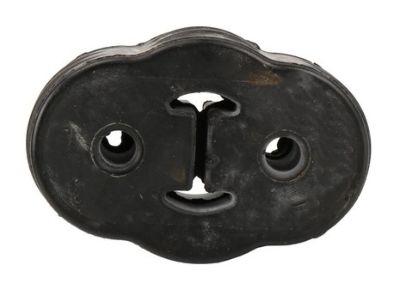

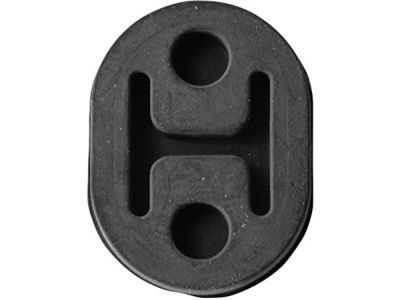
Pontiac Muffler Insulator Part Number: 10304424
$16.39 MSRP: $26.01You Save: $9.62 (37%)Ships in 1-3 Business DaysProduct Specifications- Other Name: Insulator-Exhaust Pipe Hanger Bracket; Exhaust Insulator; Exhaust Hanger
- Replaces: 21013430
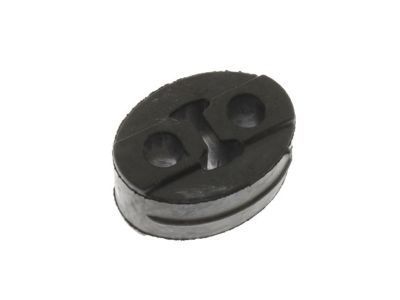
Pontiac Muffler Insulator Part Number: 22674119
$10.12 MSRP: $15.48You Save: $5.36 (35%)Ships in 1-3 Business DaysProduct Specifications- Other Name: Insulator, Exhaust Pipe; Exhaust Insulator; Exhaust Hanger

Pontiac Converter & Pipe Hanger Part Number: 21991184
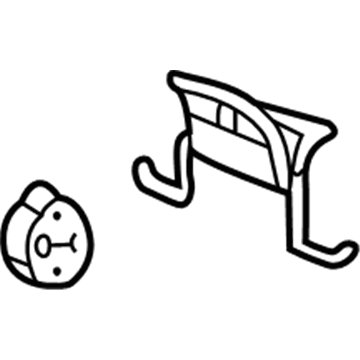
$6.75Ships in 1-2 Business DaysProduct Specifications- Other Name: Plate, Exhaust Pipe; Exhaust Hanger; Reinforcement, Exhaust Muffler/Resonator
Pontiac Hanger Part Number: 10244211
$6.75 MSRP: $15.11You Save: $8.36 (56%)Ships in 1-2 Business DaysProduct Specifications- Other Name: Hanger Assembly-Catalytic Converter; Exhaust Hanger; Hanger, Catalytic Converter
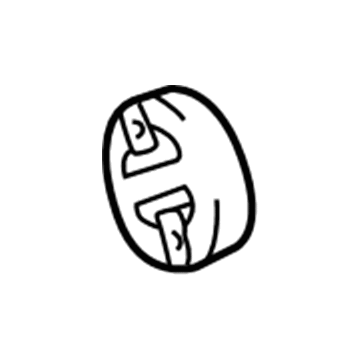
Pontiac Muffler & Pipe Insulator Part Number: 88969145
$19.26 MSRP: $38.25You Save: $18.99 (50%)Ships in 1-2 Business DaysProduct Specifications- Other Name: Insulator, Catalytic Converter; Exhaust Insulator; Exhaust Hanger; Insulator, Exhaust Muffler/Resonator
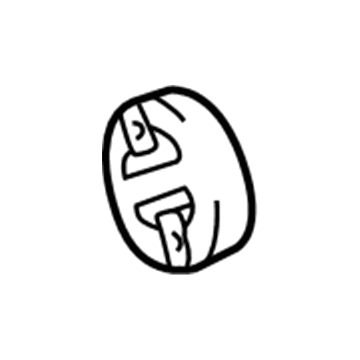
Pontiac Converter & Pipe Insulator Part Number: 88969144
$13.11 MSRP: $23.20You Save: $10.09 (44%)Product Specifications- Other Name: Insulator, Exhaust Pipe Hanger; Exhaust Hanger; Insulator, Exhaust Pipe

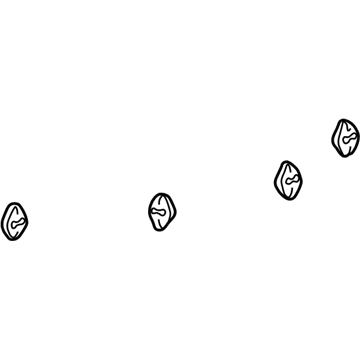
Pontiac Muffler Hanger Part Number: 96536940
$1.00 MSRP: $1.49You Save: $0.49 (33%)Ships in 1-3 Business DaysProduct Specifications- Other Name: Hanger, Exhaust Muffler; Exhaust Hanger; Hanger, Exhaust Muffler/Resonator
Pontiac Muffler Insulator Part Number: 10231659
$14.55 MSRP: $21.95You Save: $7.40 (34%)Ships in 1-2 Business DaysProduct Specifications- Other Name: Insulator, Exhaust Pipe; Exhaust Insulator; Exhaust Hanger
- Replaces: 10415755
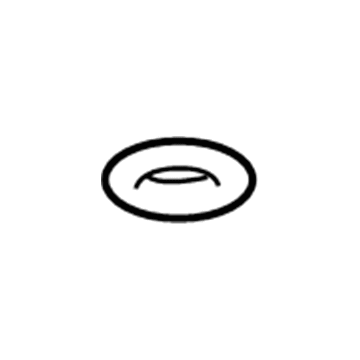
Pontiac Converter & Pipe Insulator Part Number: 10056770
$21.26 MSRP: $32.08You Save: $10.82 (34%)Ships in 1-3 Business DaysProduct Specifications- Other Name: Hanger Assembly-Exhaust Muffler Intermediate; Exhaust Hanger
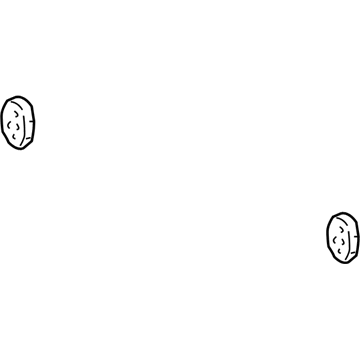
Pontiac Muffler Insulator Part Number: 96181437
$6.75Ships in 1-2 Business DaysProduct Specifications- Other Name: Hanger, Exhaust Muffler; Hanger, Exhaust Muffler/Resonator

Pontiac Bracket Insulator Part Number: 25687438
$10.08 MSRP: $10.10You Save: $0.02 (1%)Ships in 1-2 Business DaysProduct Specifications- Other Name: Insulator, Catalytic Converter; Exhaust Insulator; Exhaust Hanger
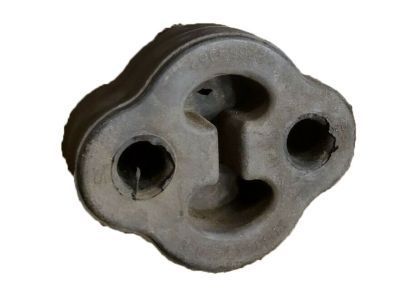
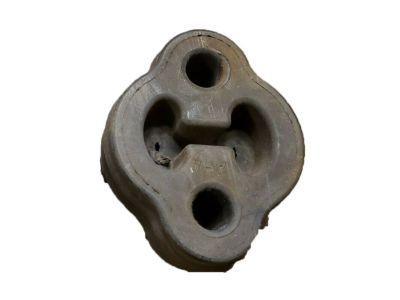
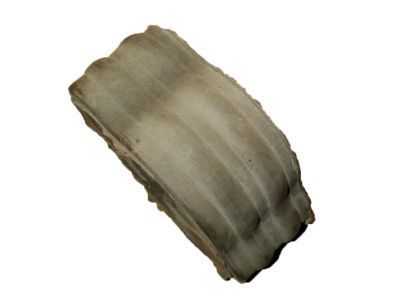
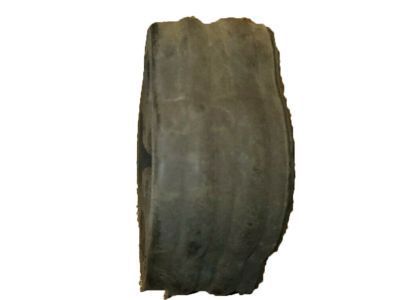

Pontiac Muffler Hanger Part Number: 22659362
$19.24 MSRP: $28.64You Save: $9.40 (33%)Product Specifications- Other Name: Bushing, Exhaust Muffler/Resonator; Exhaust Insulator; Exhaust Bracket; Exhaust Hanger
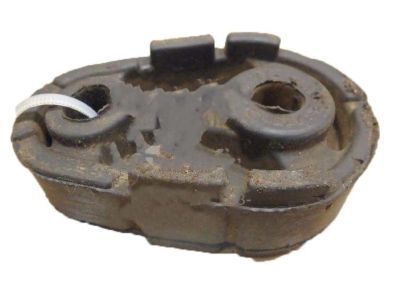

Pontiac Catalytic Converter Insulator Part Number: 25773925
Product Specifications- Other Name: Insulator, Catalytic Converter; Exhaust Insulator; Exhaust Hanger
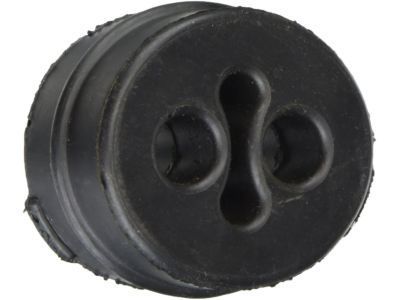
Pontiac Exhaust Pipe Hanger Part Number: 15286279
Product Specifications- Other Name: Insulator-Exhaust Pipe Hanger; Exhaust Insulator; Exhaust Hanger
- Replaces: 22688186
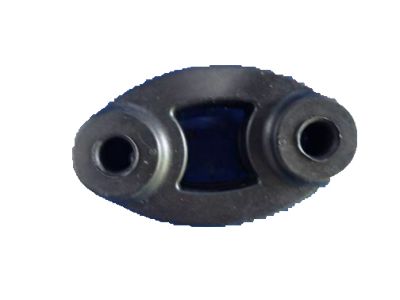
Pontiac Resonator & Pipe Insulator Part Number: 25609451
Product Specifications- Other Name: Insulator-Exhaust Pipe Hanger; Exhaust Insulator; Exhaust Hanger
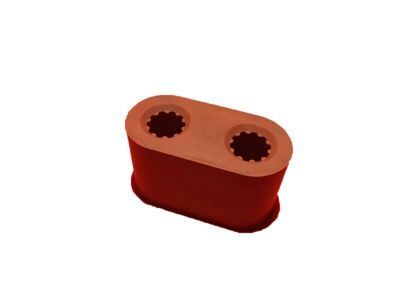

Pontiac Tailpipe Extension Insulator Part Number: 92201402
Product Specifications- Other Name: Hanger-Exhaust Pipe; Exhaust Insulator; Exhaust Hanger
- Replaces: 92040679, 92186996
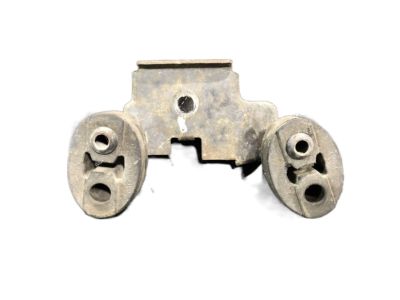

Pontiac Rear Hanger Part Number: 92066857
Product Specifications- Other Name: Bracket, Exhaust Muffler/Resonator; Exhaust Hanger; Center Muffler Hanger
- Position: Rear
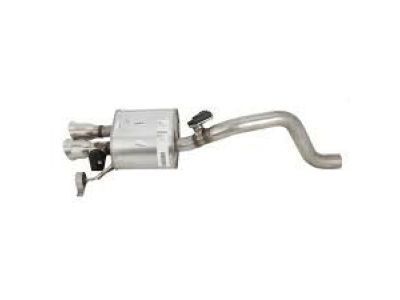
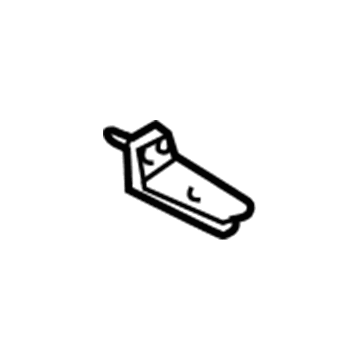
Pontiac Catalytic Converter Bracket Part Number: 25711980
Product Specifications- Other Name: Hanger; Exhaust Bracket; Exhaust Hanger
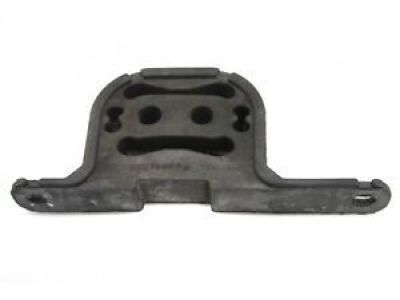
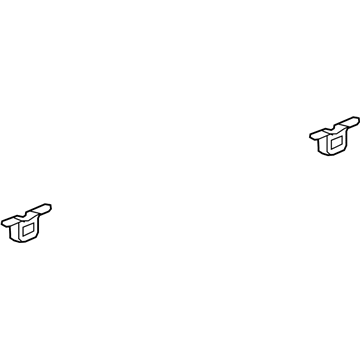
Pontiac Rear Muffler Hanger Part Number: 92066860
Product Specifications- Other Name: Hanger, Exhaust Muffler/Resonator; Exhaust Hanger; Hanger
- Position: Rear
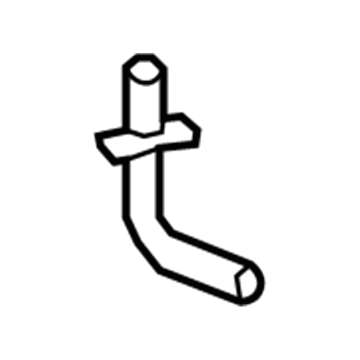
Pontiac Front Hanger Part Number: 92270145
$5.70 MSRP: $8.49You Save: $2.79 (33%)Product Specifications- Other Name: Hanger, Exhaust Pipe; Exhaust Hanger; Center Muffler Hanger
- Position: Front
- Replaces: 92182510
| Page 1 of 3 |Next >
1-20 of 56 Results
Pontiac Exhaust Hanger
Choose OEM Exhaust Hanger, you're making the optimal decision for superior quality and perfect performance. You can feel confident because each component goes through stringent quality checks. Every part is carefully built to comply with Pontiac's factory specifications. You'll enjoy a smooth, worry-free installation that fits just right. At ChevyPartsDeal.com, you'll find it easy to get top-quality OEM Pontiac Exhaust Hanger. You can shop at highly competitive prices and protect your budget. All our genuine Pontiac parts include a dependable manufacturer's warranty. You'll also appreciate our straightforward return policy and swift delivery services for extra convenience.
Pontiac Exhaust Hanger makes sure the roar of your ride is tamed by hanging the pipes safely and eliminating vibration to make every ride feel tight and in control. Pontiac was established in 1926, and it gained a reputation of being practical and passionate about road racing, with wide track chassis which made the wheels touch the ground in sharpening the corner and giving a daring posture. There were legends such as the Firebird and the Grand Am which incorporated muscular bodywork, driver oriented dashboards, high-energy engines and technologies that allowed owners to remain well in control. Pontiac drivers love watching it bolt out of turn, ride firm but frolicsome, and how the aerodynamic line and peculiar grilles tell you it is a Pontiac long before the sound of its engine is audible. An Exhaust Hanger is a mounting that is made up of rubber and metal connecting the muffler and pipes to the chassis, rattles, sag, and other such problems. The optimal way to install a new Exhaust Hanger is to park on flat ground, engage the brake and raise the car on heavy stands. Apply penetrating oil on the old hanger studs and slide the worn part off. Measure lengths, and slide any metal sleeves, and force the new Exhaust Hanger over the exhaust pegs and body hooks with the muffler in the center and clearance of one finger width between the shields. Tighten bolts, lower the vehicle, start engine, and listen to any knocks or leaks and observe the system move with the swaying movement without touching the frame.
Related Pontiac Parts
 Pontiac Exhaust Manifold
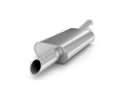 Pontiac Muffler
 Pontiac Catalytic Converter Gasket
 Pontiac Exhaust Flange Gasket
 Pontiac Exhaust Heat Shield
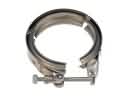 Pontiac Exhaust Manifold Clamp
 Pontiac Exhaust Manifold Gasket
 Pontiac Exhaust Pipe
 Pontiac Exhaust Resonator
 Pontiac Exhaust Tip
 Pontiac Muffler Strap
 Pontiac Tail Pipe