ChevyParts
My Garage
My Account
Cart
OEM Pontiac Brake Bleeder Screw
Bleeder Screw- Select Vehicle by Model
- Select Vehicle by VIN
Select Vehicle by Model
orMake
Model
Year
Select Vehicle by VIN
For the most accurate results, select vehicle by your VIN (Vehicle Identification Number).
1 Brake Bleeder Screw found
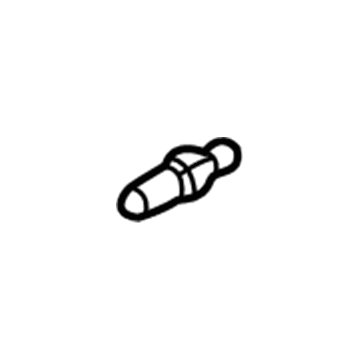
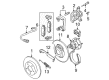
Pontiac Bleeder Valve Part Number: 18046601
Product Specifications- Other Name: Valve Kit, Wheel Brake Cylinder/Caliper Bleed; Valve, Wheel Brake Cylinder/Caliper Bleed
- Replaces: 18029799
Pontiac Brake Bleeder Screw
Choose OEM Brake Bleeder Screw, you're making the optimal decision for superior quality and perfect performance. You can feel confident because each component goes through stringent quality checks. Every part is carefully built to comply with Pontiac's factory specifications. You'll enjoy a smooth, worry-free installation that fits just right. At ChevyPartsDeal.com, you'll find it easy to get top-quality OEM Pontiac Brake Bleeder Screw. You can shop at highly competitive prices and protect your budget. All our genuine Pontiac parts include a dependable manufacturer's warranty. You'll also appreciate our straightforward return policy and swift delivery services for extra convenience.
The Pontiac Brake Bleeder Screw lets your Pontiac pedal feel solid by allowing you to clear the air of the brake lines and provides an immediate stopping confidence, a low cost and easy to install component that supports the driving spirit of the brand. Pontiac has been in pursuit of real road excitement since 1926 and its broad-track stance positions the car in such a way that the corners seem flat and controllable. The Firebird and Grand Am models combine aggressive designs with driver focused dashboards hence, each ride is sporty. Agile handling, accelerated engines, and the changing technology such as a head up gauges keep the driver in control, and the exterior styling is in line with the trends and adds sharp edges without losing the traditional attitude. The owners also appreciate how the brand is fun and could be applied for everyday use with plenty of cabin space but precise handling, which necessitates quality brakes, and here is where the Brake Bleeder Screw will prove its value. The Brake Bleeder Screw is a threaded screw on each caliper that is just open enough to release trapped air and exhausted fluid. To install fast, park the car on flat surface, place your Pontiac firmly on its stands, place your parking brake, and fill the master cylinder. Take off the dust cap, wipe out the port, finger start the new Brake Bleeder Screw to avoid stripping, tighten it with a wrench, install a clear hose into fresh fluid, and pump the pedal, waiting until bubbles are eliminated, and then screw the valve tightly back into place, oil up the area, replace the cap, and test the pedal firmly with a short drive.
Related Pontiac Parts
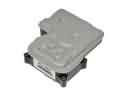 Pontiac ABS Control Module
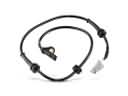 Pontiac ABS Sensor
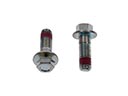 Pontiac Brake Caliper Bolt
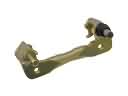 Pontiac Brake Caliper Bracket
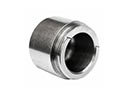 Pontiac Brake Caliper Piston
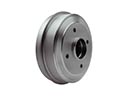 Pontiac Brake Drum
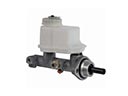 Pontiac Brake Master Cylinder
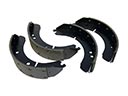 Pontiac Brake Shoe Set
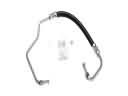 Pontiac Hydraulic Hose
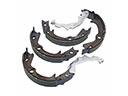 Pontiac Parking Brake Shoes
 Pontiac Wheel Cylinder Repair Kit
 Pontiac Wheel Hub Bolt