ChevyParts
My Garage
My Account
Cart
OEM Oldsmobile Thermostat
Engine Coolant Thermostat- Select Vehicle by Model
- Select Vehicle by VIN
Select Vehicle by Model
orMake
Model
Year
Select Vehicle by VIN
For the most accurate results, select vehicle by your VIN (Vehicle Identification Number).
32 Thermostats found
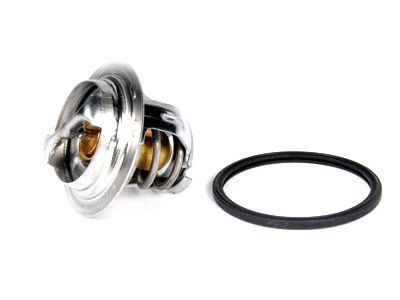
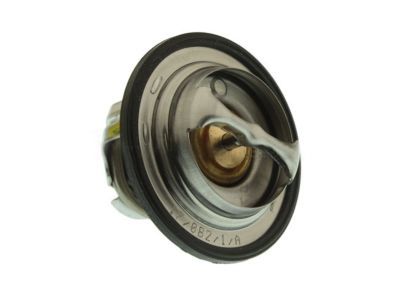
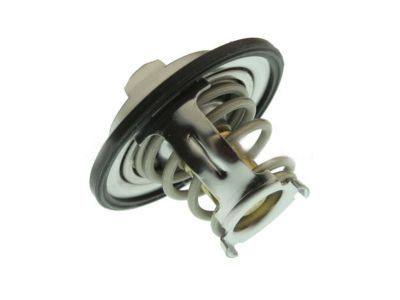
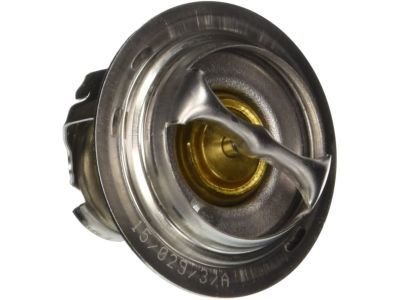
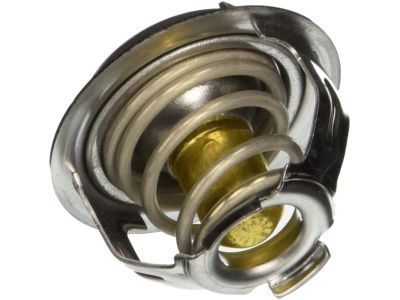
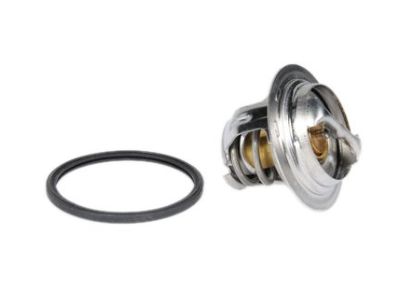

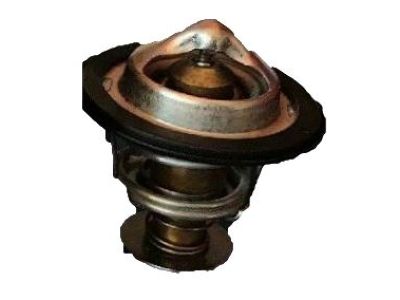
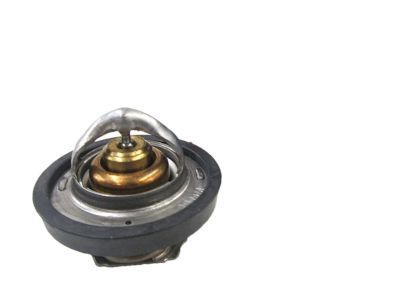
Oldsmobile Thermostat, Green Line Part Number: 12622410
$72.75 MSRP: $162.09You Save: $89.34 (56%)Ships in 1-2 Business DaysProduct Specifications- Other Name: Thermostat Assembly-Engine Coolant
- Replaces: 21018811, 90537453, 55350941, 12615097
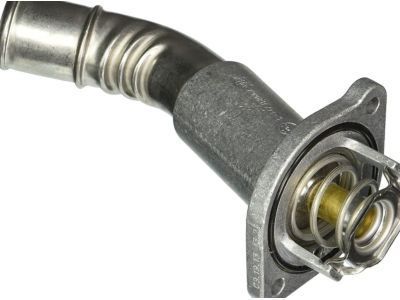
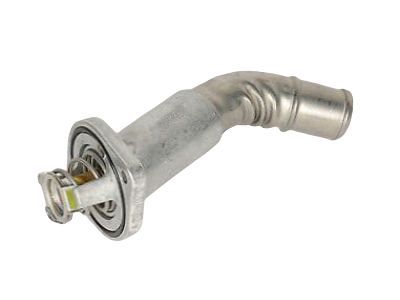
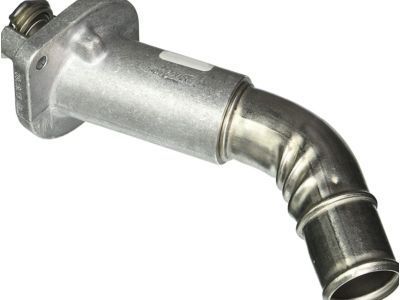
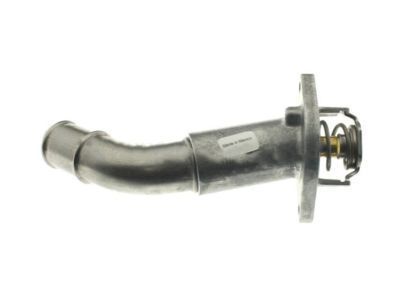
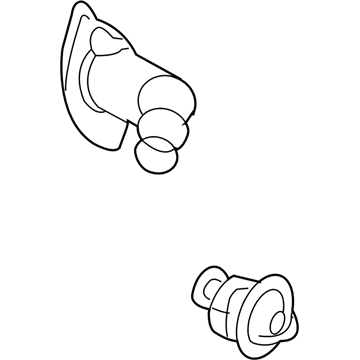
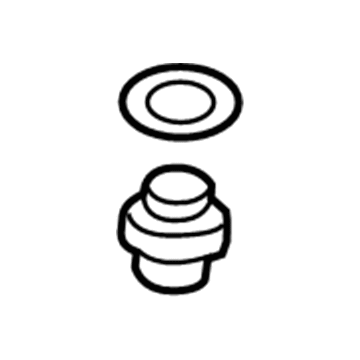
Oldsmobile Thermostat Housing Part Number: 12620112
$60.43 MSRP: $124.20You Save: $63.77 (52%)Ships in 1-2 Business DaysProduct Specifications- Other Name: Housing, Engine Coolant Temperature; Thermostat Housing Cover; Housing, Engine Coolant Thermostat
- Replaces: 12567750, 12572988, 12602913
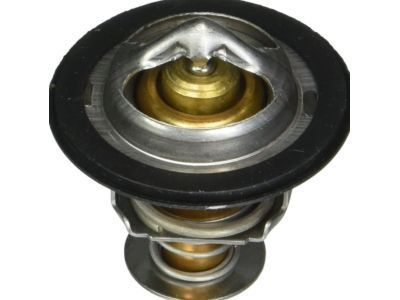
Oldsmobile Thermostat Part Number: 24507563
$21.62 MSRP: $42.92You Save: $21.30 (50%)Product Specifications- Other Name: Thermostat, Engine Coolant Temperature
- Replaced by: 19435095
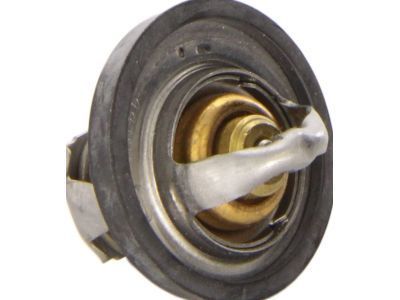
Oldsmobile Thermostat Unit Part Number: 24505924
$30.50 MSRP: $60.54You Save: $30.04 (50%)Product Specifications- Other Name: Thermostat Assembly-Engine Coolant (W/Gasket); Thermostat; Thermostat, Engine Coolant Temperature
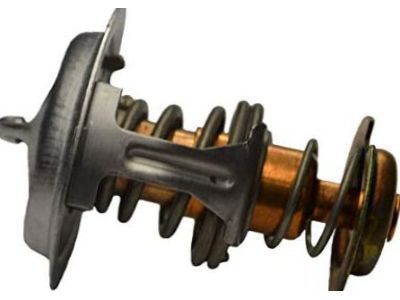
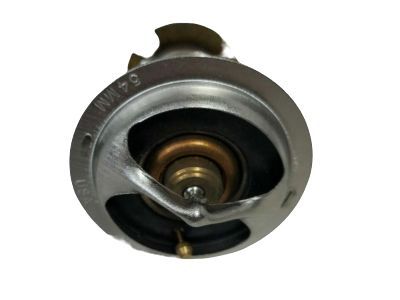
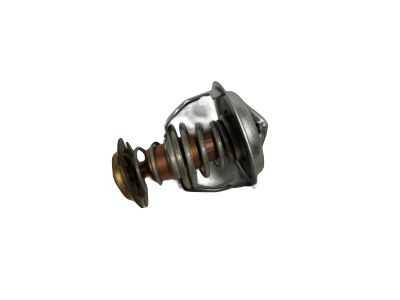
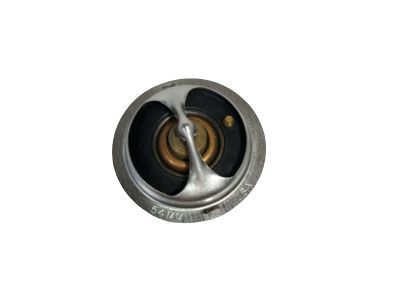

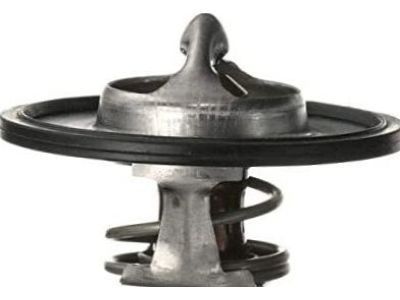
Oldsmobile Thermostat Part Number: 12559807
$49.97 MSRP: $99.18You Save: $49.21 (50%)Ships in 1-2 Business DaysProduct Specifications- Other Name: Thermostat, Engine Coolant Temperature
- Replaces: 12554784, 12555811, 3531407
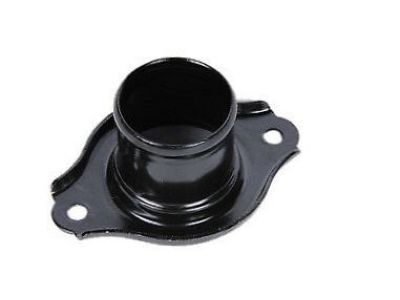
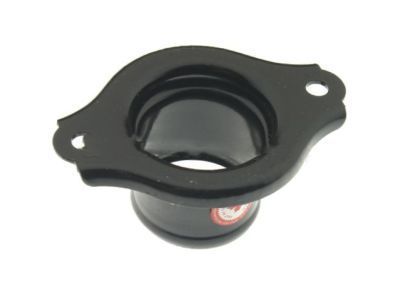
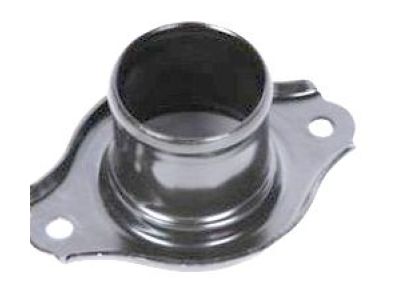
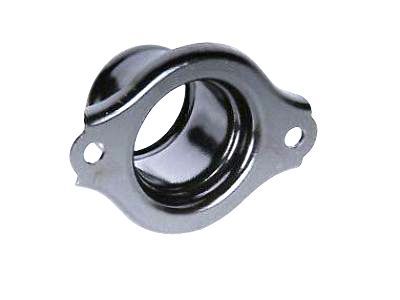

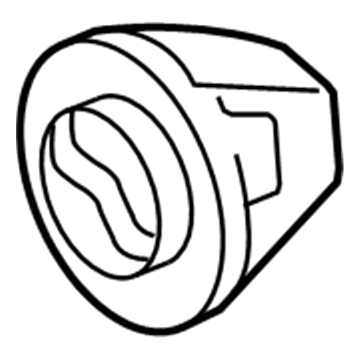
Oldsmobile Thermostat Housing Part Number: 1647540
$10.92 MSRP: $20.49You Save: $9.57 (47%)Ships in 1-2 Business DaysProduct Specifications- Other Name: Housing E; Thermostat Housing Cover; Water Outlet; Housing, Engine Coolant Thermostat
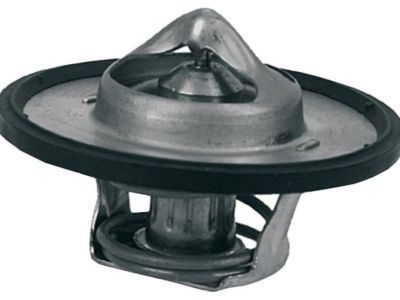
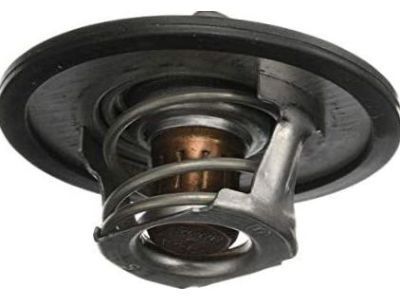
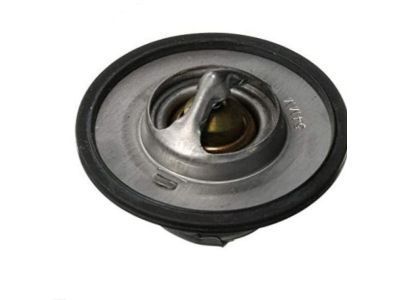
Oldsmobile Thermostat Part Number: 10190925
$15.38 MSRP: $28.88You Save: $13.50 (47%)Ships in 1-2 Business DaysProduct Specifications- Other Name: Thermostat, Engine Coolant Temperature
- Replaces: 10147886, 10190927
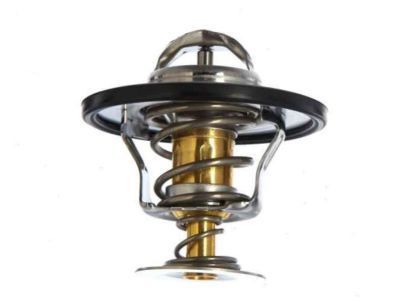
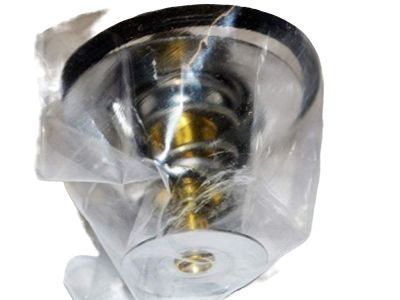
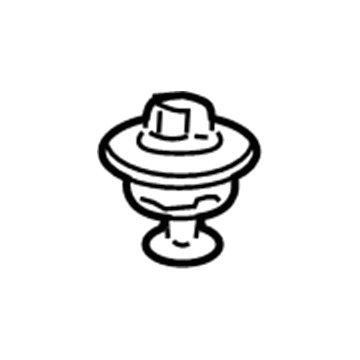
Oldsmobile Thermostat Part Number: 12632948
$31.43 MSRP: $59.02You Save: $27.59 (47%)Product Specifications- Other Name: Thermostat, Engine Coolant Temperature
- Replaces: 12257859, 12597583, 12551472, 12563335, 12557859
Oldsmobile Thermostat Part Number: 10101864
$6.75 MSRP: $18.11You Save: $11.36 (63%)Ships in 1-2 Business DaysProduct Specifications- Other Name: Thermostat Assembly-Engine Coolant; Thermostat, Engine Coolant Temperature
Oldsmobile Thermostat Part Number: 3037747
$18.57 MSRP: $34.88You Save: $16.31 (47%)Ships in 1 Business DayProduct Specifications- Other Name: Thermostat, Engine Coolant
- Replaced by: 24506986
Oldsmobile Thermostat Part Number: 24500253
$18.57 MSRP: $34.88You Save: $16.31 (47%)Ships in 1-2 Business DaysProduct Specifications- Other Name: Thermostat, Engine Coolant Temperature
- Replaced by: 24506986
Oldsmobile Thermostat Part Number: 10207373
$11.87 MSRP: $21.20You Save: $9.33 (45%)Ships in 1-3 Business DaysProduct Specifications- Other Name: Thermostat, Engine Coolant Temperature
Oldsmobile Thermostat Part Number: 3059793
$9.76 MSRP: $17.42You Save: $7.66 (44%)Product Specifications- Other Name: Thermostat Assembly-Engine Coolant
- Replaced by: 10192505
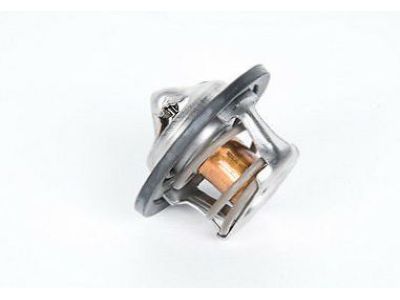
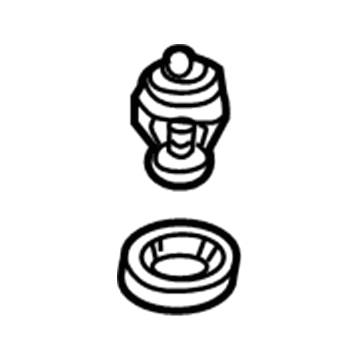
Oldsmobile Intake Manifold Part Number: 24577299
$16.76 MSRP: $29.91You Save: $13.15 (44%)Product Specifications- Other Name: Thermostat, Engine Coolant Temperature; Thermostat Unit; Thermostat
- Replaces: 10182377, 24577130, 24576634
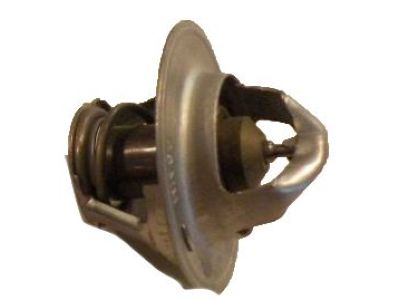
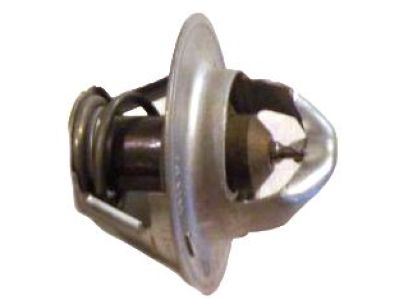
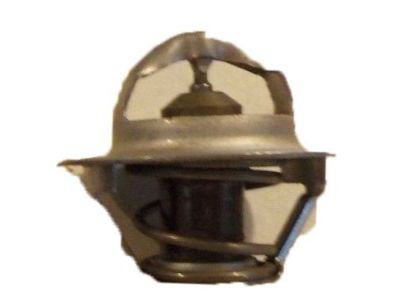
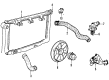
Oldsmobile Thermostat Part Number: 3043066
Product Specifications- Other Name: Thermostat, Engine Coolant Temperature
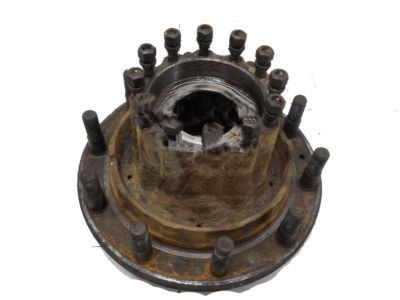
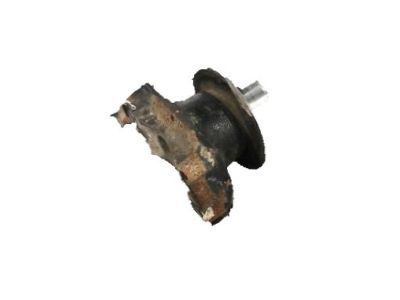
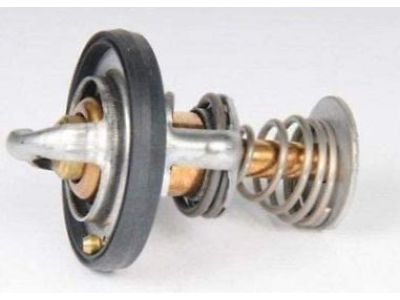
Oldsmobile Thermostat Part Number: 1623547
Product Specifications- Other Name: Thermostat Assembly-Engine Coolant; Thermostat, Engine Coolant Temperature
Oldsmobile Thermostat Part Number: 10045126
Product Specifications- Other Name: Thermostat, Engine Coolant Temperature
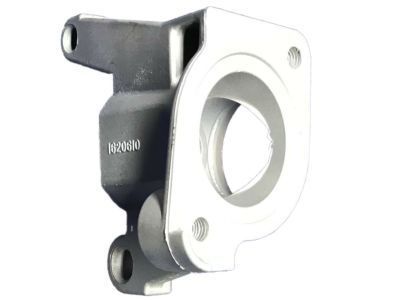
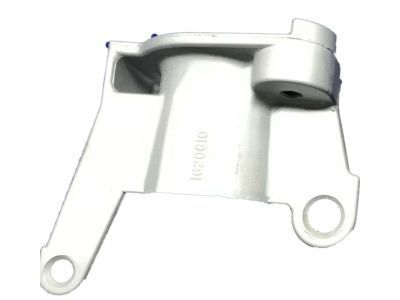
Oldsmobile Thermostat Housing, Lower Part Number: 1620610
Product Specifications- Other Name: Housing-Engine Coolant Thermostat Lower; Thermostat Housing Cover; Housing, Engine Coolant Thermostat
- Position: Lower
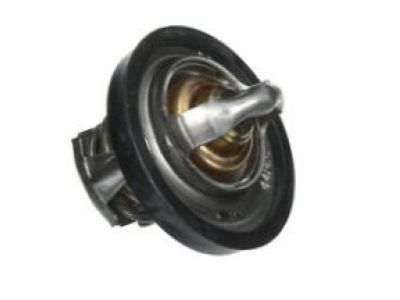
Oldsmobile Thermostat Housing Part Number: 12570247
Product Specifications- Other Name: Housing, Engine Coolant Thermostat; Thermostat Housing Cover; Thermostat; Water Outlet

Oldsmobile Thermostat Part Number: 24577288
$14.52 MSRP: $25.92You Save: $11.40 (44%)Product Specifications- Other Name: Thermostat, Engine Coolant Temperature
- Replaces: 24575984
| Page 1 of 2 |Next >
1-20 of 32 Results
Oldsmobile Thermostat
Choose OEM Thermostat, you're making the optimal decision for superior quality and perfect performance. You can feel confident because each component goes through stringent quality checks. Every part is carefully built to comply with Oldsmobile's factory specifications. You'll enjoy a smooth, worry-free installation that fits just right. At ChevyPartsDeal.com, you'll find it easy to get top-quality OEM Oldsmobile Thermostat. You can shop at highly competitive prices and protect your budget. All our genuine Oldsmobile parts include a dependable manufacturer's warranty. You'll also appreciate our straightforward return policy and swift delivery services for extra convenience.
The Oldsmobile Thermostat is a metal valve that is inserted in the cooling passage to control the flow of coolant to lock the engine into a sweet-spot temperature so it can run smoothly. Thirty years of long commutes are the reasons why an Oldsmobile will turn the key on frosty mornings, sew like a machine, and haul the family across states with nary a drama. The Oldsmobile V8s line of Rockets provides the stern punch at the bottom of the revs, but shrewd balance shafts and thick crank dampening ensure that the cabin does not pick up on the vibrations. Power steering is not heavy nor does it feel vague, and the hydraulic brakes bite earlier than the majority, giving the driver confidence when the traffic is jumpy. Hissing by the wind is silenced using insulation behind the firewall, and the tight double-stitched seats maintain their shape on the long route. The gauge cluster is also arranged in a way that you can look at the gauge and see the oil pressure and coolant temp without having to worry about the possibility of a sticky Thermostat slipping by without being noticed. In case of a stuck Thermostat, it is easy to replace. Allow the Oldsmobile to cool overnight, loosen the cap, and empty a quart of coolant until the house is dry. Unfasten the upper hose clamp, unbolt the neck, and observe the Thermostat position, then remove the old valve and gasket. Scrape both sides, install the new valve spring into place towards the block, put on the new seal, install the neck, screw on even, and reconnect the hose. Add more coolant, squeeze the hose to remove air, turn on the car, observe leakage, and ensure that the needle is up and down to normal cruising temperature.
Related Oldsmobile Parts
 Oldsmobile Water Pump
 Oldsmobile Coolant Reservoir
 Oldsmobile Coolant Reservoir Cap
 Oldsmobile Cooling Fan Module
 Oldsmobile Engine Oil Cooler
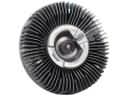 Oldsmobile Fan Clutch
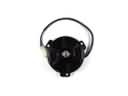 Oldsmobile Fan Motor
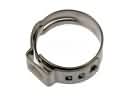 Oldsmobile Fuel Line Clamps
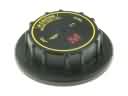 Oldsmobile Radiator Cap
 Oldsmobile Transmission Oil Cooler Hose
 Oldsmobile V-Belt
 Oldsmobile Water Pump Pulley