ChevyParts
My Garage
My Account
Cart
OEM GMC Fuel Pump Gasket
Fuel Pump Seal- Select Vehicle by Model
- Select Vehicle by VIN
Select Vehicle by Model
orMake
Model
Year
Select Vehicle by VIN
For the most accurate results, select vehicle by your VIN (Vehicle Identification Number).
4 Fuel Pump Gaskets found
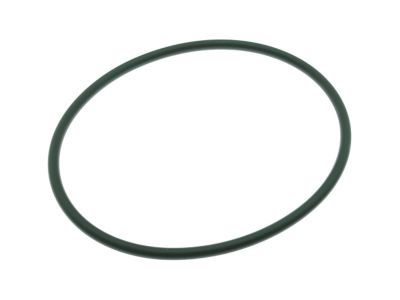
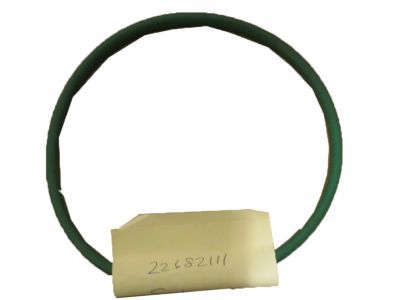


GMC Lock Ring Part Number: 22682111
$10.73 MSRP: $19.15You Save: $8.42 (44%)Ships in 1-3 Business DaysProduct Specifications- Other Name: Seal, Fuel Gage To Tank; Fuel Tank Lock Ring; Fuel Pump Gasket; Fuel Pump Seal
- Replaced by: 39002198

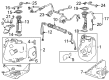
GMC Fuel Pump Seal, Driver Side Part Number: 15776433
$14.72 MSRP: $27.64You Save: $12.92 (47%)Ships in 1-2 Business DaysProduct Specifications- Other Name: Gasket, Fuel Pump Mounting; Fuel Pump Gasket
- Position: Driver Side
- Replaced by: 13562738

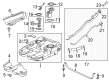
GMC Fuel Pump Seal Part Number: 84082487
$9.02 MSRP: $16.93You Save: $7.91 (47%)Ships in 1-2 Business DaysProduct Specifications- Other Name: Seal, Fuel Gage To Tank; Fuel Pump Gasket; Fuel Pump Assembly Seal; Seal, Fuel Pump Mounting

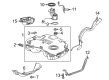
GMC Fuel Pump Seal Part Number: 94556450
$6.69 MSRP: $11.03You Save: $4.34 (40%)Ships in 1-3 Business DaysProduct Specifications- Other Name: Seal-Fuel Pump (O Ring); Fuel Pump Gasket
- Replaces: 95375693
GMC Fuel Pump Gasket
Choose OEM Fuel Pump Gasket, you're making the optimal decision for superior quality and perfect performance. You can feel confident because each component goes through stringent quality checks. Every part is carefully built to comply with GMC's factory specifications. You'll enjoy a smooth, worry-free installation that fits just right. At ChevyPartsDeal.com, you'll find it easy to get top-quality OEM GMC Fuel Pump Gasket. You can shop at highly competitive prices and protect your budget. All our genuine GMC parts include a dependable manufacturer's warranty. You'll also appreciate our straightforward return policy and swift delivery services for extra convenience.
The GMC Fuel Pump Gasket is the seal that holds the junction between the fuel pump and the mounting surface, which holds the pressure in and prevents leakage that may damage the performance. Since its inception in 1901, GMC has evolved into work trucks and into the entire range of pickups and SUVs that combine hearty frames, high torque engines and ingenious capabilities such as surround vision, hitch guidance, and the ingenious MultiPro tailgate, all of which have been put to the test so customers can expect durable service and silent cabins regardless of the road situation. The brand continues to hone technology but does not lose sight of pure prowess and this has won the confidence with heavy steel and professional grade suspension that transports heavy loads without fanfare. A Fuel Pump Gasket is a small rubber or fibre ring that retains fuel within the pump therefore keeping the air out and the liquid in. In order to change it safely, one must first remove the battery, and then discharge the pressure by unscrewing the fuel cap and with the help of the system valve. Take off any shields, disconnect the pump wiring and remove dirt on the area. Prepare the pump, unbolt the pump, pry up the old seal and clean the two mating faces. Install the new gasket in the groove and ensure that you are working with a square pump as you thread the bolts manually. Install them, in a crisscross, to the required torque, re-connect the hose and the wires, re-connect the power, prime the pump, and initial the engine, watching both drips and loss of pressure.
Related GMC Parts
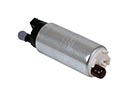 GMC Fuel Pump
 GMC Intake Manifold
 GMC Throttle Cable
 GMC Intake Manifold Gasket
 GMC Daytime Running Light Relay
 GMC Fuel Injection Pump
 GMC Fuel Pump Driver Module
 GMC Fuel Pump Seal
 GMC Fuel Pump Tank Seal
 GMC Fuel Pump Wiring Harness
 GMC Fuel Rail
 GMC Fuel Tank Lock Ring