ChevyParts
My Garage
My Account
Cart
OEM Chevrolet Tahoe Heater Control Valve
HVAC Heater Control Valve- Select Vehicle by Model
- Select Vehicle by VIN
Select Vehicle by Model
orMake
Model
Year
Select Vehicle by VIN
For the most accurate results, select vehicle by your VIN (Vehicle Identification Number).
3 Heater Control Valves found
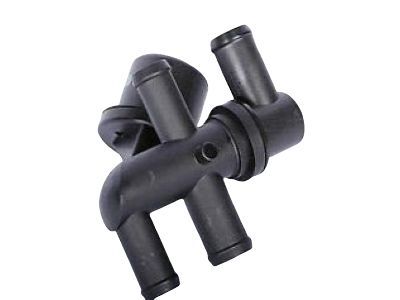
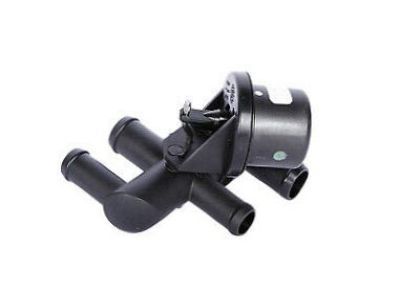
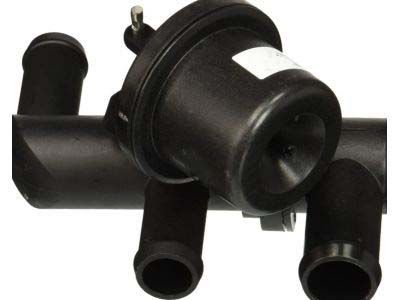
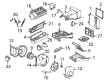
Chevrolet Tahoe Control Valve Part Number: 12380318
$30.27 MSRP: $61.14You Save: $30.87 (51%)
Chevrolet Tahoe Control Valve Part Number: 52456347
Chevrolet Tahoe Control Valve Part Number: 52467121
Chevrolet Tahoe Heater Control Valve
Want to cut long-term maintenance and repair costs? Choose OEM Heater Control Valve. Those parts deliver top durability you can trust. On our site, you'll find a huge catalog of genuine Chevrolet Tahoe parts. Prices are unbeatable, so you can keep more in your pocket. Every OEM Chevrolet Tahoe Heater Control Valve includes a manufacturer's warranty. You can also get an easy return policy that keeps buying risk free. Fast delivery, get your car on the road quickly. It's simple to search, compare, and order. Stop guessing about quality or fit. Order today and save with parts that last.
The Chevrolet Tahoe Heater Control Valve controls the flow of hot coolant through the heater and provides rapid cabin heating and less unnecessary engine heat loss. Chevrolet designed the Tahoe for families who want muscle, room, and modern technology, and so their benefits begin with powerful V8 or turbo diesel power that tows heavy trailers effortlessly, a rigid frame that evens out rough roads, and a large interior that accommodates up to nine while still leaving cargo space. The new Tahoe combines the muscular engines with a smart ten-speed automatic, which allows drivers to cruise highways at low revs to save fuel, and its adaptive suspension keeps the ride composed in sharp turns. Infotainment screens, numerous USB ports, and driver aids make long trips a relaxing affair, while law enforcement versions have proven the SUV's toughness under punishing duty cycles. Chevrolet owners also love the availability of genuine parts that maintain value and reliability for high mileages. A properly operating Heater Control Valve also assists the coolant system to get to the optimum temperature quicker, saving gas. Though small, the Heater Control Valve is located on the heater hose and opens or closes as directed by the HVAC controls, shielding passengers from chills in the winter and preventing heat intrusion in the summer. When replacing the Chevrolet Tahoe Heater Control Valve, park the SUV, allow the engine to cool down, clamp and remove two hoses, replace the valve ensuring to correspond with the flow arrow, reattach hoses, fill coolant, start the engine, and check for leaks to complete the job.
Related Chevrolet Tahoe Parts
 Chevrolet Tahoe Cabin Air Filter
 Chevrolet Tahoe Blend Door Actuator
 Chevrolet Tahoe Blower Motor
 Chevrolet Tahoe Blower Motor Resistor
 Chevrolet Tahoe Heater Core
 Chevrolet Tahoe A/C Hose
 Chevrolet Tahoe A/C Service Cap
 Chevrolet Tahoe A/C Switch
 Chevrolet Tahoe Ambient Temperature Sensor
 Chevrolet Tahoe Blower Control Switches
 Chevrolet Tahoe Evaporator
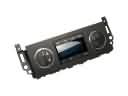 Chevrolet Tahoe HVAC Control Module