ChevyParts
My Garage
My Account
Cart
OEM Chevrolet Metro Brake Calipers
Caliper- Select Vehicle by Model
- Select Vehicle by VIN
Select Vehicle by Model
orMake
Model
Year
Select Vehicle by VIN
For the most accurate results, select vehicle by your VIN (Vehicle Identification Number).
2 Brake Calipers found
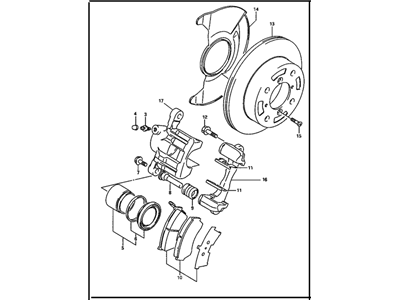
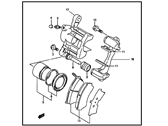
Chevrolet Metro Caliper, Front Driver Side Part Number: 30019361
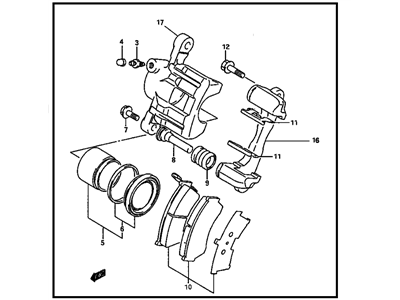
Chevrolet Metro Caliper, Front Passenger Side Part Number: 30019360
Chevrolet Metro Brake Calipers
Want to cut long-term maintenance and repair costs? Choose OEM Brake Calipers. Those parts deliver top durability you can trust. On our site, you'll find a huge catalog of genuine Chevrolet Metro parts. Prices are unbeatable, so you can keep more in your pocket. Every OEM Chevrolet Metro Brake Calipers includes a manufacturer's warranty. You can also get an easy return policy that keeps buying risk free. Fast delivery, get your car on the road quickly. It's simple to search, compare, and order. Stop guessing about quality or fit. Order today and save with parts that last.
Brake Caliperss in the Chevrolet Metro is very important for the braking mechanism because it converts hydraulic pressure from master cylinder to mechanical force. This force is imperative as it helps to apply pressure to the brake pads against the rotors and thus slowing or coming to a standstill of the vehicle. Chevrolet Metro models utilize two primary types of brake calipers: These are fixed and fixed course and floating or recognized course. In fixed calipers, there are several pistons on the each side of the rotor to apply pressure and in the floating calipers, there is only one piston on one side which slides to apply pressure, here we may find some problems are the wear of pads is not equal etc. In the past, many designs have been used in the Metro, especially performance-oriented calipers that increase stopping force and bling. Standard calipers are usually constructed from cast iron and the pistons used are usually from steel or phenolic materials. One reason for the use of performance calipers includes a better wear and heat characteristic as well as the ability to meet different driving requirements and desires of the driver.
Chevrolet Metro Brake Calipers Parts and Q&A
- Q: How to overhaul brake calipers on Chevrolet Metro?A:Workers must take safety glasses to protect their eyes during brake caliper removal from the vehicle. When using compressed air to push the Piston through the caliper brake hose connector hole you should never put your fingers in front of the Piston because this will cause serious harm. Apply compressed air to the bore only enough to slide the Piston forward without causing breakage. Keep watch for any harmful effects of Piston blowout. A hard wood block or shop cloth placed inside the caliper will catch the Piston as you push it out using compressed air. The Piston can then be easily removed by applying compressed air to the caliper brake hose connector hole. With a small bladed tool extract the Piston seal from the caliper then remove its bleeder valve and cap. Soak the caliper slide bushing and caliper set ring and Piston and caliper carrier and caliper housing in brake fluid followed by blowing the parts dry by using non-lubricated compressed air. Use clean air to remove all fluid from caliper housing passages followed by precise checks of the Piston for wear markers and surface deterioration and complete damage to chrome plating for replacement if needed. In addition to caliper bore examination for corrosion and scoring and pitting, use crocus cloth to polish off light corrosion. The caliper must be replaced when corrosion cannot be eliminated from the component. To build the caliper, apply lubrication to the Piston seal and boot with brake fluid and tighten the bleeder valve to 10 nm (89 inch lbs.) after installing the bleeder valve and cap. Place the new Piston seal into the caliper housing groove without twisting it then attach the new boot onto the Piston. Use your fingers to position the boot into the caliper groove and cylinder groove while you manually push the cylinder Piston through. Install the boot inside the Piston groove before retiring your fingers. Use your fingers to check the boot's proper fit before you push the Piston fully into the cylinder while reinstalling the caliper back onto the vehicle.
- Q: How to replace brake calipers on Chevrolet Metro?A:The first step to replace the brake caliper is to drain two-thirds of the master cylinder fluid. Before beginning work apply supports to lift the vehicle up and then take out the tire and wheel set. First disconnect the brake hose union bolt by placing a receptacle under it to collect fluid and discard the union fitting washers. Take out the two mounting bolts from the caliper and pull the device off its carrier. First release brake caliper pins and check the bolt condition plus all other brake parts including pads and boots for damage. Replace parts when required. Apply silicone grease to the caliper pins then put on the boots before inserting them into the caliper carrier location. Place the caliper on its carrier and connect it with two mounting bolts before tightening them to 30 nm (22 ft. Lbs.). Put on new washers with the brake hose union bolt before bolting it tight to 23 nm (17 ft. Lbs.). Place the tire and wheel assembly back on and then lift the vehicle. Refill the master cylinder with brake fluid, vent the brake system before restarting the car, and conclude by identifying any fluid loss.
Related Chevrolet Metro Parts
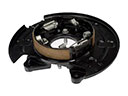 Chevrolet Metro Brake Backing Plate
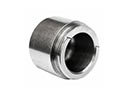 Chevrolet Metro Brake Caliper Piston
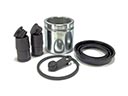 Chevrolet Metro Brake Caliper Repair Kit
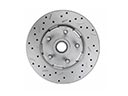 Chevrolet Metro Brake Disc
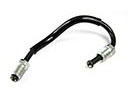 Chevrolet Metro Brake Line
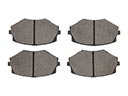 Chevrolet Metro Brake Pad
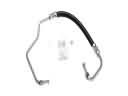 Chevrolet Metro Hydraulic Hose
 Chevrolet Metro Parking Brake Shoe
 Chevrolet Metro Spindle Nut
 Chevrolet Metro Wheel Bearing Dust Cap
 Chevrolet Metro Wheel Hub
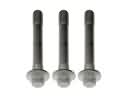 Chevrolet Metro Wheel Hub Bolt