ChevyParts
My Garage
My Account
Cart
OEM Chevrolet Malibu Turbocharger
Turbo- Select Vehicle by Model
- Select Vehicle by VIN
Select Vehicle by Model
orMake
Model
Year
Select Vehicle by VIN
For the most accurate results, select vehicle by your VIN (Vehicle Identification Number).
4 Turbochargers found
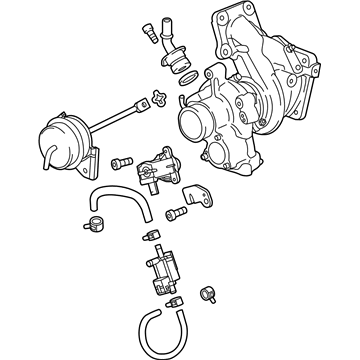
Chevrolet Malibu Turbocharger Part Number: 12682937
$935.99 MSRP: $1676.21You Save: $740.22 (45%)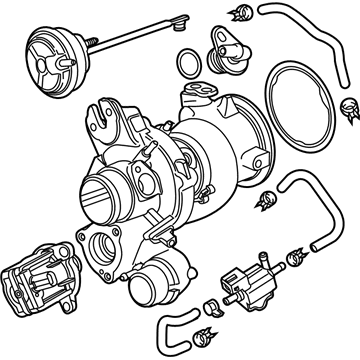
Chevrolet Malibu Turbocharger Part Number: 25205784
$471.59 MSRP: $785.29You Save: $313.70 (40%)Chevrolet Malibu Turbocharger Part Number: 12690543
$471.59 MSRP: $785.29You Save: $313.70 (40%)Ships in 1-2 Business Days
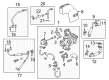
Chevrolet Malibu Turbocharger Part Number: 12687043
$471.59 MSRP: $785.29You Save: $313.70 (40%)Ships in 1-3 Business Days
Chevrolet Malibu Turbocharger
Want to cut long-term maintenance and repair costs? Choose OEM Turbocharger. Those parts deliver top durability you can trust. On our site, you'll find a huge catalog of genuine Chevrolet Malibu parts. Prices are unbeatable, so you can keep more in your pocket. Every OEM Chevrolet Malibu Turbocharger includes a manufacturer's warranty. You can also get an easy return policy that keeps buying risk free. Fast delivery, get your car on the road quickly. It's simple to search, compare, and order. Stop guessing about quality or fit. Order today and save with parts that last.
Chevrolet Malibu Turbocharger exhaust feeds divert exhaust into a small turbine that presses in additional air into the cylinders, providing the midsize sedan with brisk acceleration and increased fuel economy on the daily commute as well as long-distance travel. Over nine generations, the Chevrolet Malibu has received its share of devotees through its balanced ride, front-wheel drive stability, and options to the spirited and yet economical four-cylinder engines that do not compromise the 32 mpg combined. Comfortable seats, a big trunk, user-friendly infotainment, and the knowledge of the easy availability of authentic Chevrolet parts make daily commuting comfortable, and standard safety equipment ensures that teen drivers feel safe and parents remain relaxed. Customers who choose the 2.0-liter powertrain option can experience quick 0 to 60 acceleration of about eight seconds, though all Malibu vehicles have easy maintenance courtesy of years of experience and the Chevrolet network of services across the country. It benefits the 1.5-liter engine by having a factory Turbocharger that contributes to maximizing efficiency, and a well-matched Turbocharger will further refine throttle response, utilizing exhaust energy that would otherwise go to waste, and modern twin-scroll designs reduce lag so much that Malibu drivers do not have to wait to feel the power. Periodical check of the Turbocharger maintains the output steady and extends the life of the components. Installation includes verification, oil surface cleaning, pre-lubing of the core, mounting on the manifold, connecting oil lines and pipes, priming the oil, starting, and leak check.
Related Chevrolet Malibu Parts
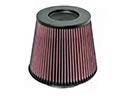 Chevrolet Malibu Air Filter
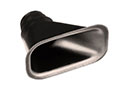 Chevrolet Malibu Air Duct
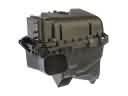 Chevrolet Malibu Air Filter Box
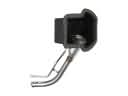 Chevrolet Malibu Fuel Filler Neck
 Chevrolet Malibu Fuel Injector O-Rings
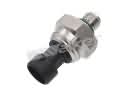 Chevrolet Malibu Fuel Pressure Sensor
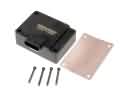 Chevrolet Malibu Fuel Pump Driver Module
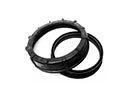 Chevrolet Malibu Fuel Pump Seal
 Chevrolet Malibu Fuel Pump Strainer
 Chevrolet Malibu Fuel Pump Tank Seal
 Chevrolet Malibu Fuel Rail
 Chevrolet Malibu Fuel Sending Unit