ChevyParts
My Garage
My Account
Cart
OEM Chevrolet Express 3500 Brake Line
Brake Hose- Select Vehicle by Model
- Select Vehicle by VIN
Select Vehicle by Model
orMake
Model
Year
Select Vehicle by VIN
For the most accurate results, select vehicle by your VIN (Vehicle Identification Number).
16 Brake Lines found
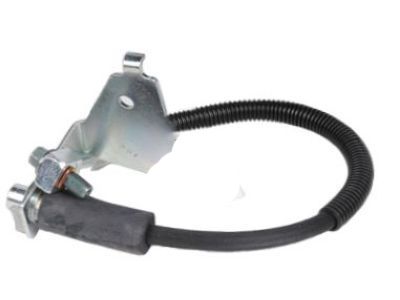
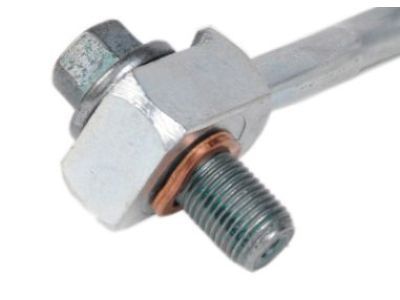
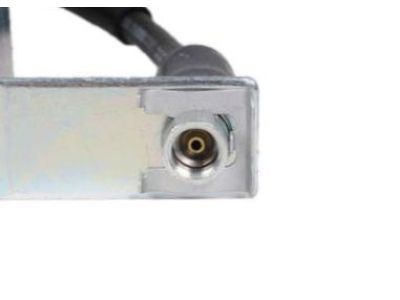
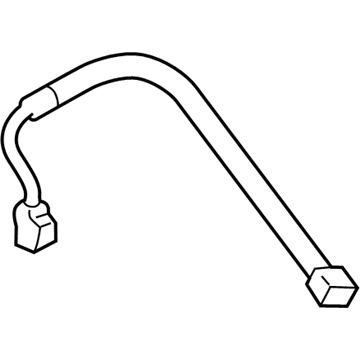
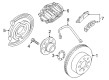
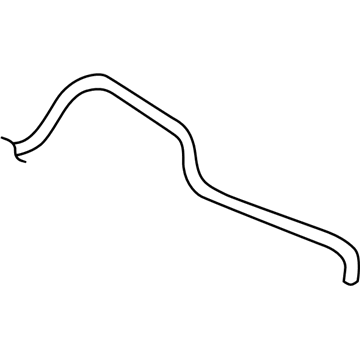
Chevrolet Express 3500 Flex Hose, Passenger Side Part Number: 84286062
$20.48 MSRP: $38.44You Save: $17.96 (47%)Ships in 1-2 Business Days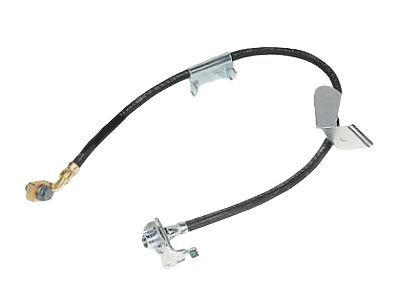
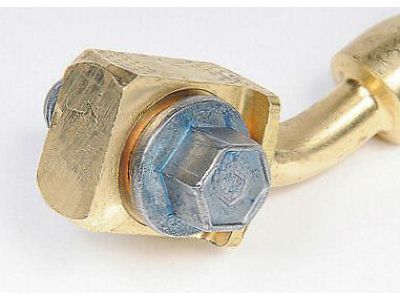
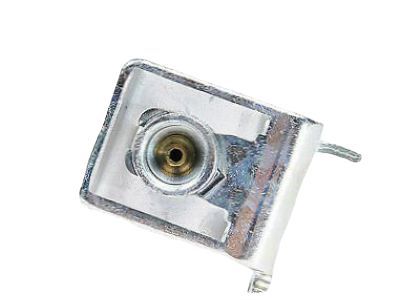
Chevrolet Express 3500 Flex Hose, Front Passenger Side Part Number: 84286064
$23.93 MSRP: $43.33You Save: $19.40 (45%)Ships in 1-2 Business Days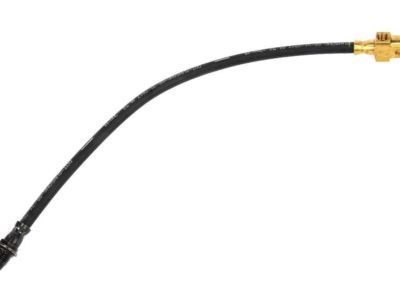
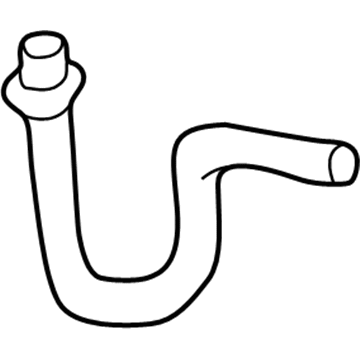
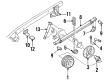
Chevrolet Express 3500 Flex Hose, Rear Part Number: 19366771
$31.95 MSRP: $57.06You Save: $25.11 (45%)Chevrolet Express 3500 Flex Hose, Rear Driver Side Part Number: 19366777
$73.88 MSRP: $144.65You Save: $70.77 (49%)Ships in 1-2 Business DaysChevrolet Express 3500 Flex Hose, Driver Side Part Number: 84859048
$21.43 MSRP: $40.25You Save: $18.82 (47%)Ships in 1 Business Day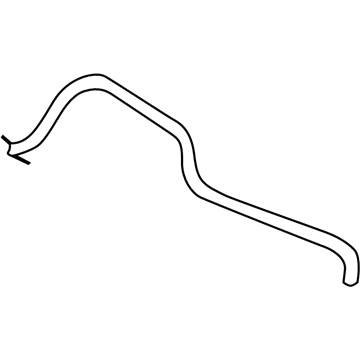
Chevrolet Express 3500 Flex Hose, Front Driver Side Part Number: 19366788
$46.85 MSRP: $87.99You Save: $41.14 (47%)Ships in 1-2 Business DaysChevrolet Express 3500 Flex Hose, Front Passenger Side Part Number: 19366787
$49.89 MSRP: $90.31You Save: $40.42 (45%)Ships in 1-2 Business Days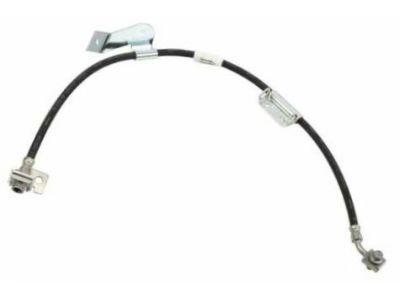
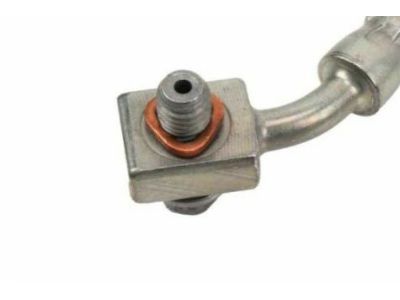
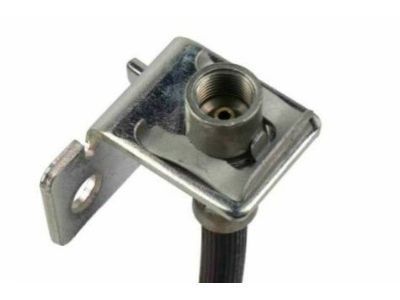
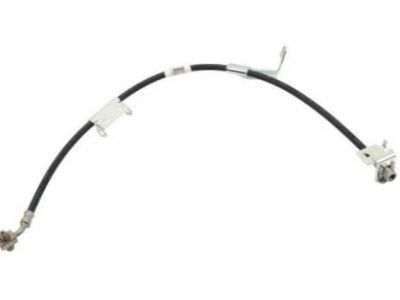
Chevrolet Express 3500 Flex Hose, Front Driver Side Part Number: 84286063
$21.15 MSRP: $37.77You Save: $16.62 (44%)
Chevrolet Express 3500 Flex Hose Part Number: 84286060
$28.27 MSRP: $50.45You Save: $22.18 (44%)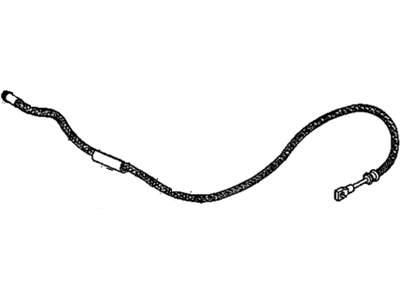
Chevrolet Express 3500 Flex Hose, Front Part Number: 19366732
$67.76 MSRP: $121.00You Save: $53.24 (44%)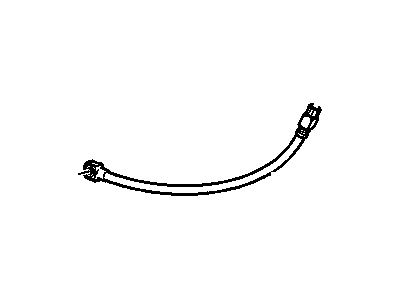
Chevrolet Express 3500 Flex Hose, Rear Part Number: 19366785
Chevrolet Express 3500 Flex Hose, Rear Part Number: 19366749
Chevrolet Express 3500 Flex Hose, Rear Part Number: 19366786
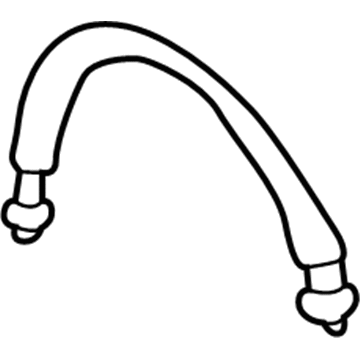
Chevrolet Express 3500 Flex Hose, Front Part Number: 22163605
Chevrolet Express 3500 Brake Line
Want to cut long-term maintenance and repair costs? Choose OEM Brake Line. Those parts deliver top durability you can trust. On our site, you'll find a huge catalog of genuine Chevrolet Express 3500 parts. Prices are unbeatable, so you can keep more in your pocket. Every OEM Chevrolet Express 3500 Brake Line includes a manufacturer's warranty. You can also get an easy return policy that keeps buying risk free. Fast delivery, get your car on the road quickly. It's simple to search, compare, and order. Stop guessing about quality or fit. Order today and save with parts that last.
Chevrolet Express 3500 Brake Line Parts and Q&A
- Q:How to replace the front brake line on Chevrolet Express 3500?A:Start work by lifting and holding the vehicle before taking off the wheel and tire. Wipe away debris from both brake hose and pipe ends before putting a rubber cap over the open brake pipe end to protect the system from fluid loss and contamination. Secure the brake hose with a back up wrench before taking off the brake pipe fitting. Place a cap or plug over the brake pipe fitting after separation. Free the rubber clip from the brake hose mounting bracket before removing first the bolt that holds the brake hose bracket on the upper Control Arm and Steering Knuckle. Unbolt and remove the brake hose to caliper bolt from the brake caliper while getting rid of the 2 copper brake hose gaskets. The assembly begins by placing brake hose bolt and gaskets on brake hose. After that install brake hose to caliper bolt and put brake caliper with two washers underneath. Torque the bolt to 44 n.m (32 lb ft) before verifying brake hose position and contact-free suspension elements. Thread the brake hose bracket bolt through the bracket and Steering Knuckle until it tightens properly at 10 n.m (88 lb in). Fit the brake hose into its bracket and install the retaining clip above it. Connect the brake pipe to the brake hose by placing the back up wrench onto the brake hose fitting end while staying clear of the mounting bracket and brake pipe and apply 25 n.m (18 lb ft) of torque. For proper installation, run fluid out of the hydraulic brakes before putting back the tire system. Keep the brake hose safely away from suspension parts and the tire during setup and check it during extreme wheel turns for damage. You should disconnect and repair the brake hose problem then test the system when the vehicle has been dropped to ground.
- Q:How to service and repair the rear brake line on Chevrolet Express 3500?A:When servicing the rear brake rear pipe ensure brake pipes parallel to it need a minimum space of 6 mm between them. First separate the rear brake front pipe from the rear brake rear pipe at its brass fitting then disconnect the rear brake rear pipe from the fitting on the brake hose. Take off the brake pipe holders from the frame assembly and disconnect the rear brake brake tube from the vehicle. Position the new brake rear pipe into the vehicle and fit its retainers to the frame wall. Attach the rear brake hose to the rear brake rear pipe while tightening it to 17 Nm (13 ft. lbs.), then push the rear brake front pipe into the brass fitting of the rear brake rear pipe. End the bleeding process by following recommended techniques for brake fluid reservoirs.
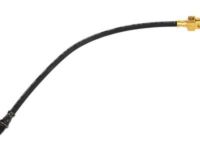
Related Chevrolet Express 3500 Parts
 Chevrolet Express 3500 ABS Control Module
 Chevrolet Express 3500 ABS Pump And Motor Assembly
 Chevrolet Express 3500 Brake Booster Vacuum Pump
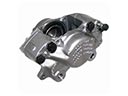 Chevrolet Express 3500 Brake Caliper
 Chevrolet Express 3500 Brake Caliper Piston
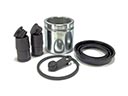 Chevrolet Express 3500 Brake Caliper Repair Kit
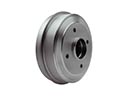 Chevrolet Express 3500 Brake Drum
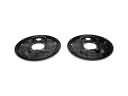 Chevrolet Express 3500 Brake Dust Shields
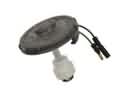 Chevrolet Express 3500 Brake Fluid Level Sensor
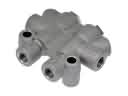 Chevrolet Express 3500 Brake Proportioning Valve
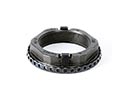 Chevrolet Express 3500 Spindle Nut
 Chevrolet Express 3500 Vacuum Pump