ChevyParts
My Garage
My Account
Cart
OEM Cadillac Eldorado Fuel Rail
Engine Fuel Rail- Select Vehicle by Model
- Select Vehicle by VIN
Select Vehicle by Model
orMake
Model
Year
Select Vehicle by VIN
For the most accurate results, select vehicle by your VIN (Vehicle Identification Number).
5 Fuel Rails found
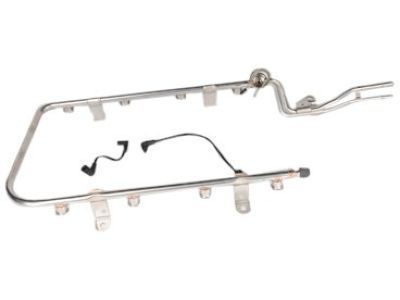
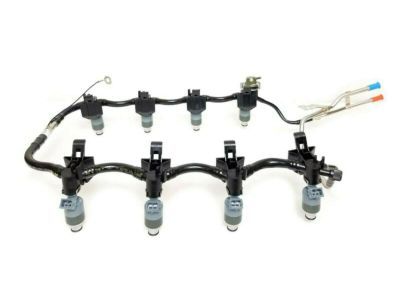
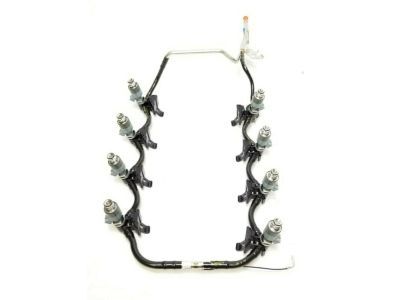
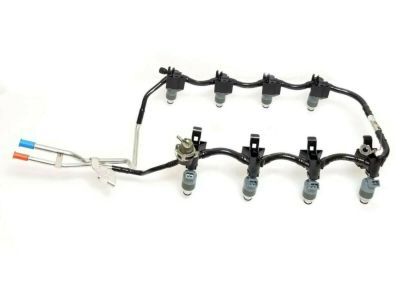
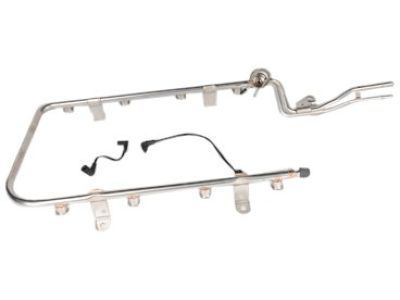
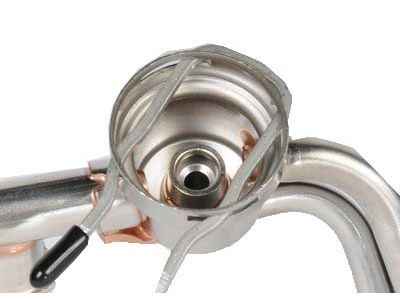
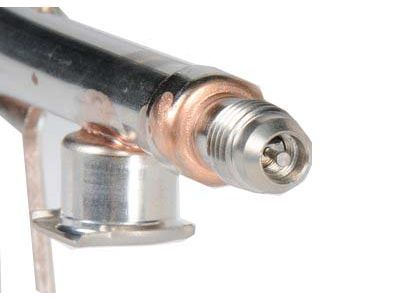
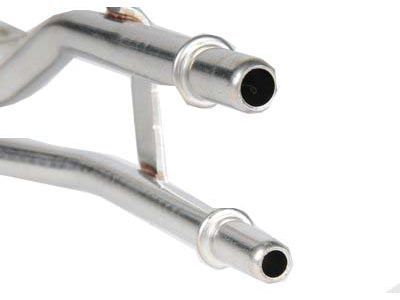
Cadillac Eldorado Fuel Rail Part Number: 12499784
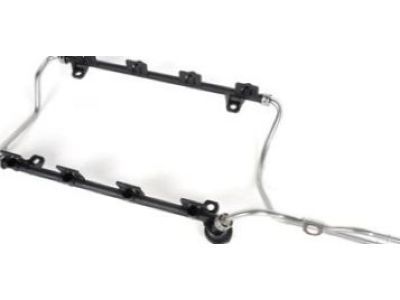
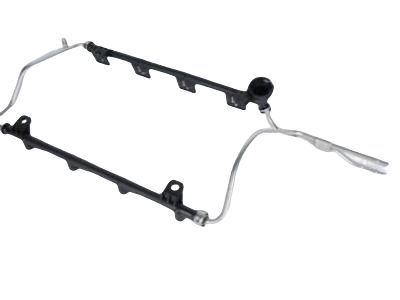
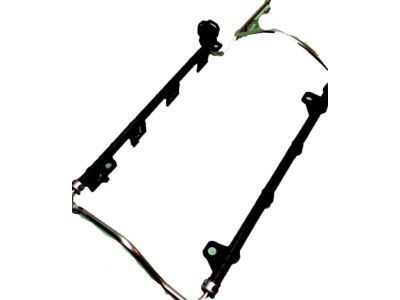
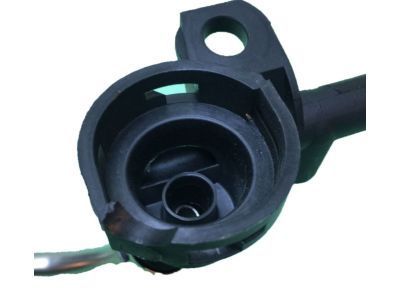
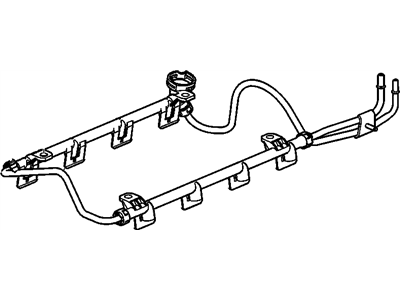
Cadillac Eldorado Fuel Rail Part Number: 12579068

Cadillac Eldorado Fuel Rail Part Number: 12499782
Cadillac Eldorado Fuel Rail Part Number: 17113142
Cadillac Eldorado Fuel Rail Part Number: 17105956
Cadillac Eldorado Fuel Rail
Want to cut long-term maintenance and repair costs? Choose OEM Fuel Rail. Those parts deliver top durability you can trust. On our site, you'll find a huge catalog of genuine Cadillac Eldorado parts. Prices are unbeatable, so you can keep more in your pocket. Every OEM Cadillac Eldorado Fuel Rail includes a manufacturer's warranty. You can also get an easy return policy that keeps buying risk free. Fast delivery, get your car on the road quickly. It's simple to search, compare, and order. Stop guessing about quality or fit. Order today and save with parts that last.
Cadillac Eldorado Fuel Rail Parts and Q&A
- Q:How to replace the fuel rail assembly on Cadillac Eldorado?A:A first step to replace the Fuel Rail assembly includes using gm x-30a engine cleaner or equivalent to clean the assembly while following the product instructions. The next step requires relieving fuel system pressure. Preparation includes detaching pipes (2, 3) for fuel feed and return along with the removal of fuel pressure regulator vacuum hose and pcv air tube from the cam cover together with separation of the PCV Valve from its position on the cam cover. Start by repositioning the coolant surge tank inlet pipe while the technician removes the Fuel Rail bracket retainer nut then disconnects the Fuel Injector electrical connectors from each Fuel Injector before placing the harness to the side. First remove the Fuel Rail attaching studs as well as the Fuel Rail before discarding the injector lower o-ring seals. Before installing the Fuel Rail apply clean engine oil on the new lower injector o-ring seals then position them onto each injector spray tip. Connect Fuel Injector electrical connector lines to fuel injectors after installing Fuel Rail studs with 10 n.m torque force and 89 lb in torque unit. To finalize steering, secure the retainer nut on the Fuel Rail bracket at 10 n.m (89 lb in torque). Afterward, connect the PCV Valve to the cam cover followed by the coolant surge tank inlet pipe and the pcv air tube to the same location. The negative battery cable will connect with the fuel pressure regulator vacuum hose and the fuel feed and return pipes (2, 3) to the Fuel Rail. To detect fuel leaks you need to start the ignition for two seconds followed by a ten-second off period before reactivating the ignition while examining for any fluid seepage. Finally, install the Fuel Injector sight shield.
Related Cadillac Eldorado Parts
 Cadillac Eldorado Air Filter
 Cadillac Eldorado Air Intake Coupling
 Cadillac Eldorado Crankcase Breather Hose
 Cadillac Eldorado Fuel Filler Neck
 Cadillac Eldorado Fuel Injector
 Cadillac Eldorado Fuel Pressure Regulator
 Cadillac Eldorado Fuel Pressure Sensor
 Cadillac Eldorado Fuel Pump Gasket
 Cadillac Eldorado Idle Control Valve
 Cadillac Eldorado Throttle Body
 Cadillac Eldorado Throttle Cable
 Cadillac Eldorado Turbocharger